





What's Happening?
Travis Knight, CEO of the stop-motion animation studio Laika and director of 'Wildwood,' has voiced strong opposition to the use of generative AI in artistic creation. Knight asserts that while technology can be a tool for artists, AI performing the work
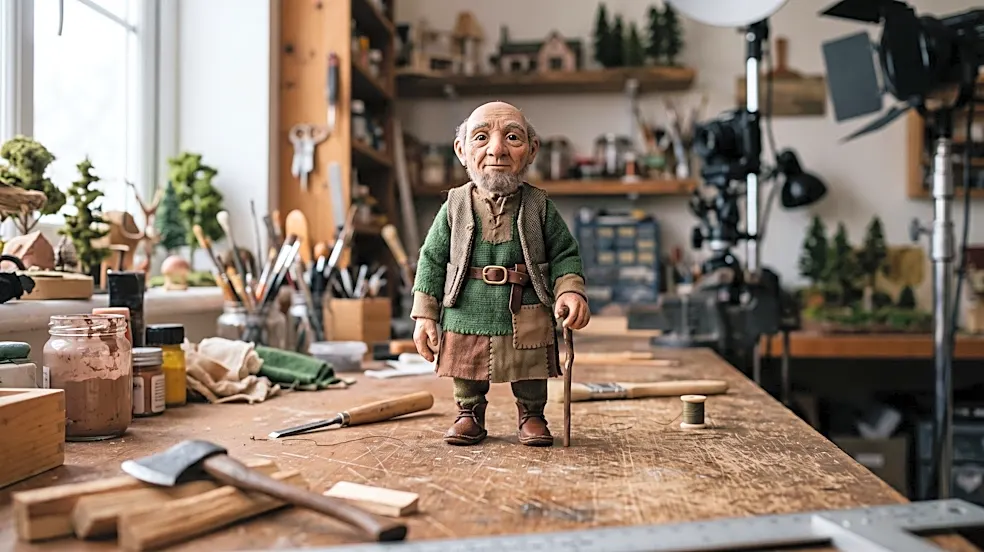
of an artist lacks humanity and soul, describing it as 'theft.' He argues that human experiences like love, loss, and heartbreak are essential for storytelling, something a computer cannot replicate. Laika's latest film, 'Wildwood,' took five years to complete with over 1,000 artists and 230 puppets, showcasing a painstaking, human-centric creative process that stands in stark contrast to AI-generated content. Knight acknowledges AI's potential benefits in fields like medicine and science but fears its 'devastating' impact when applied to art without human stewardship.
Why It's Important?
Travis Knight's stance is significant for the U.S. entertainment industry, particularly animation and film, as it highlights a growing ethical debate surrounding artificial intelligence. His comments resonate with concerns among artists and creators about job displacement, intellectual property rights, and the perceived devaluation of human creativity. As AI tools become more sophisticated, the industry faces a critical juncture in defining the role of technology versus human artistry. Laika's commitment to traditional, labor-intensive stop-motion animation serves as a powerful counter-narrative to the rapid, AI-driven content generation trend. This debate could influence future labor negotiations, copyright laws, and public perception of AI-generated art, potentially leading to stricter regulations or industry standards to protect human artists and their work.
What's Next?
The ongoing discussion about AI's role in creative industries is expected to intensify, with more filmmakers and artists likely to take public stances similar to Knight's. This could lead to increased advocacy for policies that protect human artists and their intellectual property from AI exploitation. Studios like Laika, which champion traditional artistic methods, may see their work gain renewed appreciation as a testament to human ingenuity. Conversely, companies investing heavily in AI for content creation might face scrutiny and ethical challenges. The broader societal impact of AI, as Knight noted, will continue to be a subject of debate, with calls for responsible development and stewardship of the technology across various sectors, not just entertainment.
Beyond the Headlines
Beyond the immediate concerns of job security and intellectual property, Knight's comments touch upon a deeper philosophical question about the essence of art and humanity. He argues that art derives its power from human experience and emotion, elements that AI, by its very nature, cannot possess. This perspective challenges the notion that efficiency and speed, often touted as benefits of AI, are paramount in creative endeavors. It suggests that the value of art lies not just in its output but in the human process of creation, struggle, and expression. This ethical and philosophical dimension of the AI debate could lead to a re-evaluation of what constitutes 'art' in the digital age and foster a greater appreciation for human-made creations in a world increasingly saturated with AI-generated content.