








What's Happening?
As the summer of 2026 approaches, homeowners and residential builders in the U.S. are facing a significant shortage of skilled labor, particularly electricians and HVAC technicians. This shortage is exacerbated by the rise of AI data centers, which are attracting
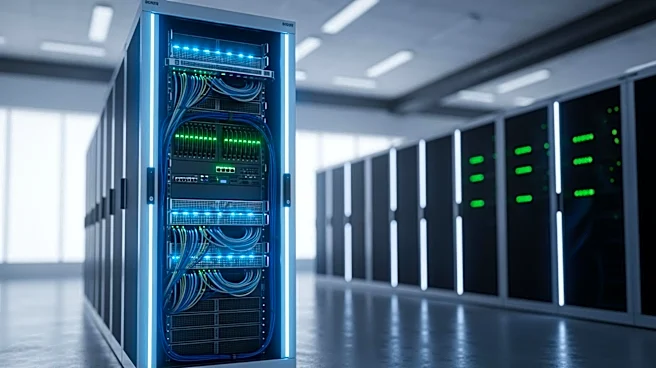
these skilled workers with higher wages. In Abilene, Texas, the new Stargate AI data center, backed by OpenAI and Oracle, is a prime example of this trend. The data center's construction demands have drawn many electricians away from residential projects, leading to longer timelines for home construction and repairs. Local homebuilders, like Gene Lantrip, report that while the influx of workers boosts business, it also creates challenges due to the loss of subcontractors to higher-paying data center jobs.
Why It's Important?
The labor shortage in the residential sector has broader implications for the housing market and local economies. As data centers offer significantly higher wages, residential projects face delays and increased costs, affecting homeowners who need timely repairs, especially during peak seasons like summer. The shortage also contributes to rising rents and home prices, as seen in Abilene, where the average home price has increased by over 10% in a year. This situation highlights the ongoing skilled labor shortage in the construction industry, which is expected to require hundreds of thousands of new workers in the coming years to meet demand.
What's Next?
The construction industry must address the skilled labor shortage to balance the demands of residential and data center projects. This may involve training new workers and offering competitive wages to retain skilled tradespeople. Local governments and industry leaders might need to collaborate on strategies to expand the workforce and ensure that residential construction can keep pace with demand. Additionally, homeowners may need to prepare for longer wait times and higher costs for home repairs and improvements.