




What's Happening?
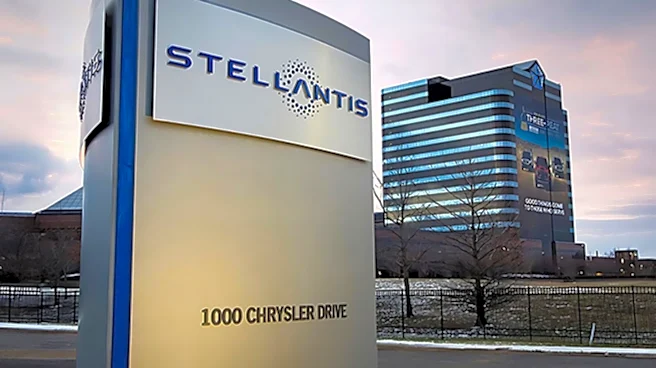
Stellantis has officially announced the sale of its Brampton Assembly Plant in Ontario to Roshel, a Canadian defense technology company. The agreement, signed on November 9, 2026, also includes plans for the two companies to explore future collaboration
within the defense industry. The sale is anticipated to conclude by the end of 2026, pending the fulfillment of closing conditions and necessary government and regulatory approvals. This move comes after Stellantis had previously frozen development plans for the Jeep Compass at the Brampton facility and subsequently moved production equipment to its Belvidere factory. The Brampton plant had been a key manufacturing site for Chrysler's large cars since 1992, producing models like the Dodge Charger and Challenger. Stellantis aims to remove an idle plant from its operational footprint and return it to industrial use, potentially opening a new business channel in the defense sector. The sale price has not been disclosed, and approximately 10,000 Canadian Stellantis employees have been on paid layoff for three years, with no reported union resolution yet.
Why It's Important?
This transaction signifies a strategic shift for Stellantis, as it divests from a traditional automotive manufacturing facility and potentially diversifies into the defense sector. For the U.S. automotive industry, this sale reflects the ongoing restructuring and optimization efforts by major automakers to adapt to evolving market demands and production efficiencies. The closure and sale of the Brampton plant, which previously manufactured popular U.S. market vehicles, could impact supply chains and production strategies for Stellantis's North American operations. The exploration of a defense industry collaboration could open new revenue streams for Stellantis, moving beyond its core automotive business. However, the undisclosed sale price and the unresolved situation regarding the laid-off union employees present uncertainties. The move also highlights the challenges faced by legacy automakers in repurposing older facilities and managing workforce transitions amidst industry transformations, including the shift towards electric vehicles and global supply chain adjustments.
What's Next?
The sale of the Brampton Assembly Plant is expected to close by the end of 2026, contingent on regulatory approvals and closing conditions. Following the sale, Roshel will take over the facility for the production of armored vehicles. Stellantis will likely continue discussions with Unifor regarding a settlement for the union-represented employees who have been on paid layoff for three years. The proposed collaboration between Stellantis and Roshel in the defense industry will likely involve further discussions and potential joint ventures or partnerships, which could lead to new product development or manufacturing initiatives in the defense sector. This could also influence Stellantis's long-term strategic planning, potentially leading to further diversification efforts. The company's focus will also remain on optimizing its North American capacity utilization, with a target of approximately 80% by 2030, as it continues its aggressive shift toward electric mobility solutions across its brand portfolio.
Beyond the Headlines
The sale of the Brampton plant to a defense technology company represents a broader trend of industrial repurposing in the manufacturing sector, where traditional automotive facilities are being adapted for new uses. This could have long-term implications for regional economies that have historically relied on automotive manufacturing, prompting a need for diversification and retraining of the workforce. The move also underscores the increasing convergence of different industrial sectors, as companies like Stellantis explore opportunities beyond their traditional core businesses. The ethical considerations surrounding the transition of a civilian automotive plant to defense manufacturing, particularly concerning the workforce and community impact, will likely be a point of discussion. Furthermore, the undisclosed sale price raises questions about transparency and the true financial implications for Stellantis and its shareholders, as well as the potential for future government contracts in the defense sector to influence the company's trajectory.