


What's Happening?
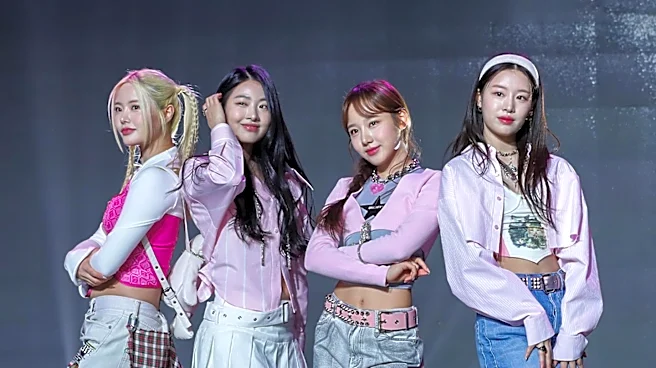
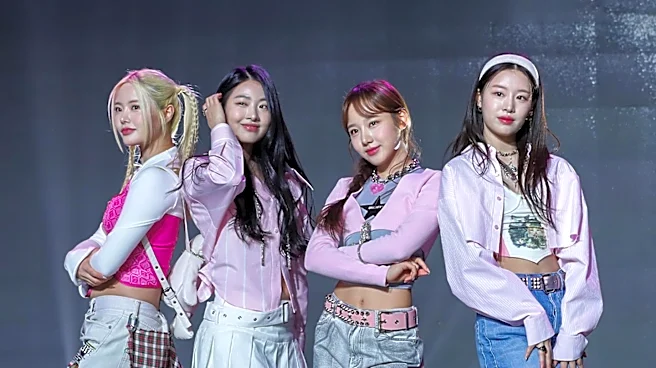
The fashion landscape is currently experiencing a significant resurgence of 2000s fashion trends, widely known as the Y2K aesthetic. This era, characterized by a playful mix of futuristic designs, glamorous outfits, casual streetwear, and bold accessories,
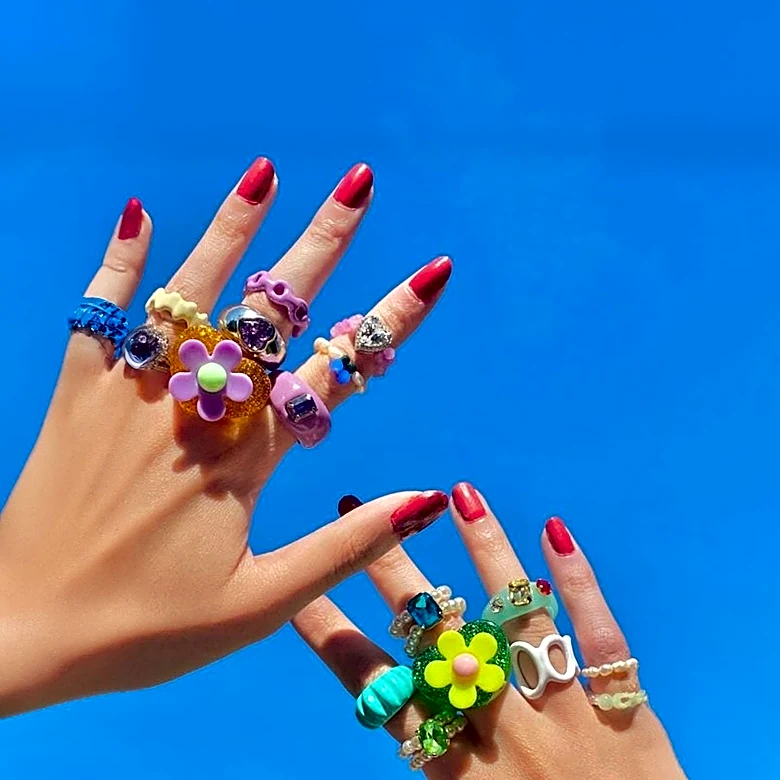
is making a strong comeback. Iconic styles such as low-rise jeans, baby tees, velour tracksuits, metallic fabrics, mini shoulder bags, and colorful statement pieces are once again popular. Pop stars, celebrities, music videos, and youth culture played a crucial role in shaping these trends initially, and they continue to influence their revival today. Many of these styles are being reinterpreted with modern silhouettes and styling techniques, appealing to a new generation of fashion enthusiasts.
Why It's Important?
The return of 2000s fashion trends holds significant importance for the U.S. fashion industry. It drives consumer purchasing decisions, influencing what retailers stock and what designers create. This revival creates new market opportunities for brands specializing in retro styles and encourages established brands to incorporate Y2K elements into their collections. The emphasis on specific items like low-rise jeans and velour tracksuits can lead to increased demand for certain fabrics and manufacturing techniques. Furthermore, the trend impacts marketing strategies, with brands leveraging nostalgia to connect with consumers. The cyclical nature of fashion, exemplified by this revival, means that understanding past trends is crucial for predicting future market shifts and maintaining relevance in a competitive industry.
What's Next?
The Y2K fashion revival is expected to continue its trajectory, with ongoing reinterpretation and integration into contemporary wardrobes. Consumers can anticipate a steady stream of new collections featuring updated versions of 2000s staples. Social media platforms and celebrity endorsements will likely sustain and evolve the trend, showcasing innovative ways to style these iconic pieces. The trend may also expand beyond clothing to influence accessories, beauty, and even interior design, as the aesthetic permeates various aspects of popular culture. The longevity of this revival will depend on its adaptability and ability to blend with emerging fashion movements, ensuring it remains fresh and appealing to a diverse consumer base.
Beyond the Headlines
The resurgence of 2000s fashion is more than just a fleeting trend; it reflects a broader cultural phenomenon rooted in nostalgia and a desire for self-expression. In an era marked by rapid technological advancement and societal shifts, the Y2K aesthetic offers a sense of comfort and familiarity, harking back to a time perceived as simpler. This trend also highlights the powerful influence of pop culture and celebrity figures in shaping collective tastes. The re-adoption of styles like low-rise jeans, which were once controversial, indicates a shift in body image perceptions and fashion norms. Ultimately, the Y2K revival underscores how fashion serves as a cultural barometer, reflecting societal moods, aspirations, and the ongoing dialogue between past and present styles.