




What's Happening?
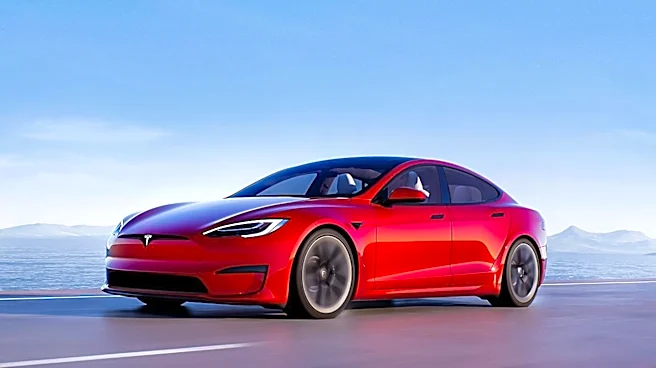
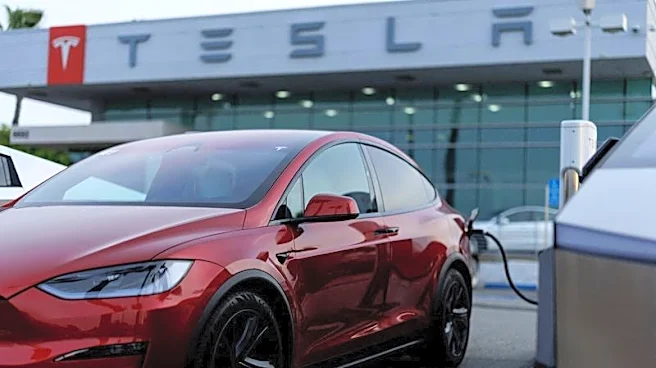
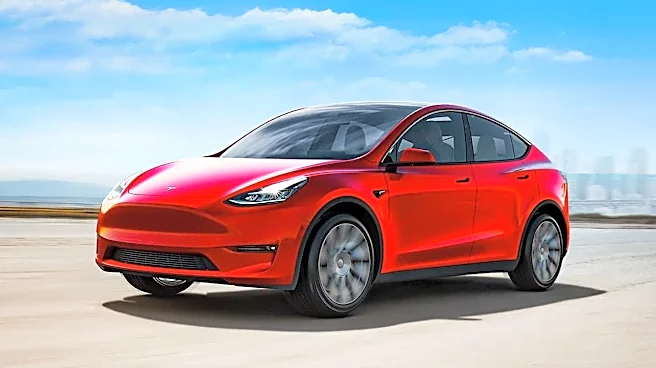
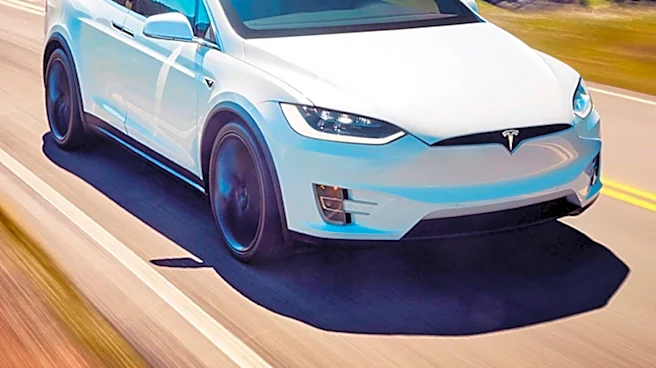
Tesla has initiated its robotaxi service in Tampa and Orlando, Florida, marking a significant step in autonomous vehicle deployment. The service is currently limited to specific geofenced areas, primarily targeting tourists. Despite the launch, the service has faced
criticism for its limited scope and the small number of vehicles available, which may hinder its practicality for users. The deployment aims to address road safety concerns in Tampa, known for its dangerous driving conditions. However, the limited area and vehicle availability have led to skepticism about the service's immediate utility.
Why It's Important?
The launch of Tesla's robotaxi service in Florida represents a pivotal moment in the evolution of autonomous transportation. If successful, it could pave the way for broader adoption of self-driving technology, potentially reducing traffic accidents and transforming urban mobility. However, the current limitations highlight challenges in scaling such services, including regulatory hurdles and public acceptance. The initiative could influence future policies on autonomous vehicles and impact the car rental industry, especially in tourist-heavy regions like Orlando. The success or failure of this deployment could set a precedent for similar initiatives nationwide.
What's Next?
Tesla plans to expand its robotaxi service, but the timeline and scale remain uncertain. The company must address current criticisms by increasing vehicle availability and expanding service areas to enhance user experience. Stakeholders, including local governments and transportation authorities, will likely monitor the service's impact on traffic safety and urban mobility. Future developments may include broader geographic coverage and integration with other transportation modes. Tesla's approach to addressing these challenges will be crucial in determining the long-term viability and acceptance of autonomous taxis in the U.S.