




What's Happening?
Nigella Lawson, the renowned chef and television personality, emphasizes the importance of staying active and healthy, particularly as she ages. At 66, Lawson has revealed her preferred method of exercise: Iyengar yoga, which she practices three times
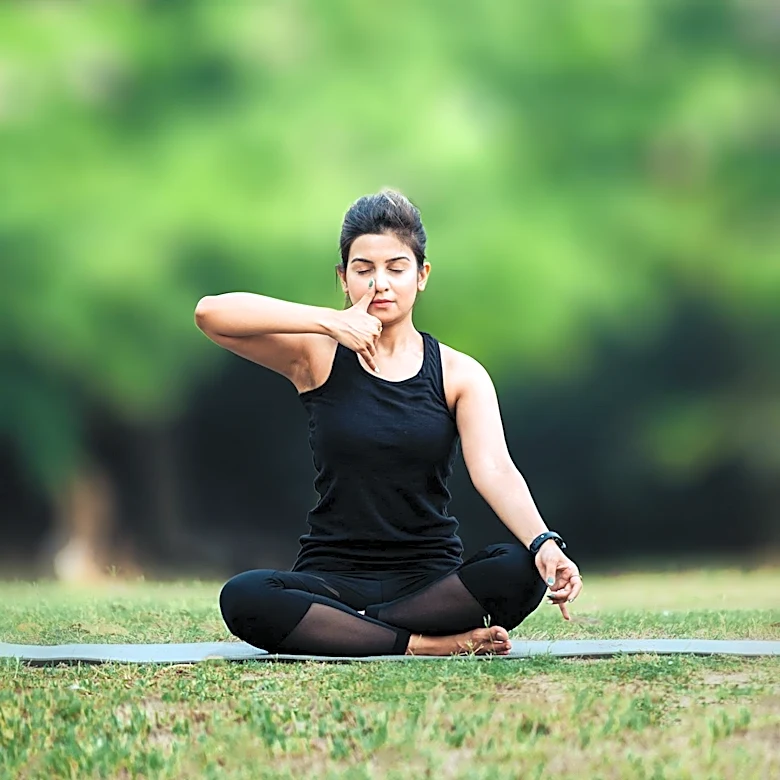
a week. Speaking to Good Housekeeping magazine, Lawson stated that her motivation for exercise has shifted from looking good to feeling well. She describes her yoga practice as slow, sometimes even performed lying down, and highlights the benefits of stretching for overall mobility. Iyengar yoga, known for its focus on posture, body alignment, and the use of props, is a slower practice that can be beneficial for individuals with stiff joints or aches. Lawson also mentioned her long-standing approach to diet, stating she has 'never been on a diet to lose weight,' advocating for a balanced approach to food and well-being.
Why It's Important?
Nigella Lawson's public endorsement of Iyengar yoga and her philosophy on well-being can significantly influence public perception of health and fitness, particularly among older demographics. Her emphasis on 'feeling well' over 'looking well' challenges conventional beauty standards and promotes a more holistic view of health, which can resonate with many individuals seeking sustainable wellness practices. By highlighting a gentle yet effective form of exercise like Iyengar yoga, Lawson may encourage more people, especially those with physical limitations or those new to exercise, to adopt similar routines. This can contribute to improved public health outcomes by promoting physical activity and flexibility, which are crucial for aging populations. Her stance on not dieting also reinforces a positive body image and a balanced relationship with food, counteracting prevalent diet culture narratives.
What's Next?
Lawson's continued advocacy for mindful movement and balanced living is likely to inspire more individuals to explore Iyengar yoga and similar low-impact exercises. As public figures increasingly share their personal wellness routines, there may be a growing interest in accessible and adaptable fitness practices that prioritize long-term health over short-term aesthetic goals. This could lead to an increase in demand for Iyengar yoga classes and resources, potentially influencing fitness trends and the offerings of wellness centers. Furthermore, her consistent message about valuing well-being over appearance may contribute to a broader cultural shift towards more sustainable and inclusive approaches to health and fitness, encouraging a more positive dialogue around aging and body image.
Beyond the Headlines
Nigella Lawson's approach to health and fitness, characterized by her preference for Iyengar yoga and her anti-diet stance, reflects a deeper cultural shift towards self-care and body positivity. In an era often dominated by intense workout regimes and restrictive diets, Lawson's gentle and intuitive method offers a refreshing alternative that prioritizes comfort, longevity, and mental well-being. This perspective challenges the often-unrealistic expectations set by the fitness industry and promotes a more compassionate relationship with one's body. Her influence extends beyond mere exercise recommendations; it contributes to a broader conversation about how individuals can age gracefully and maintain vitality without succumbing to societal pressures to conform to specific physical ideals. This holistic view of health, integrating physical activity with mental and emotional well-being, is becoming increasingly vital in modern society.