






What's Happening?
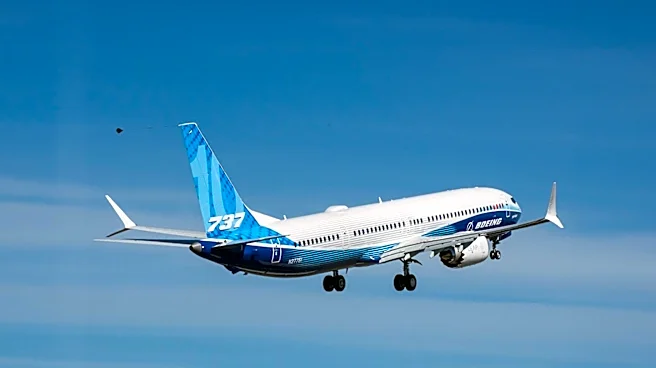
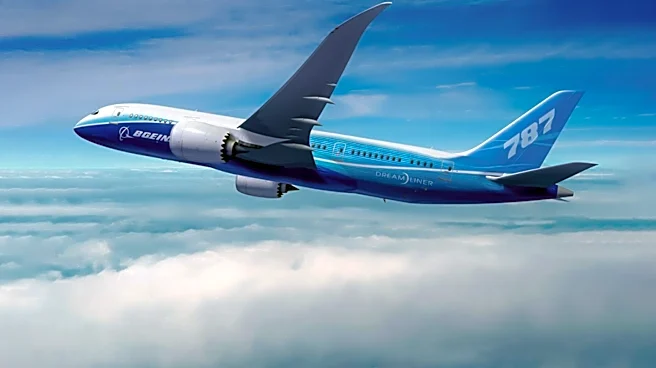
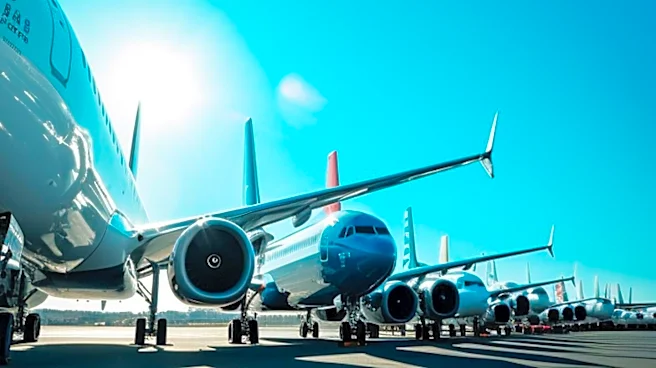
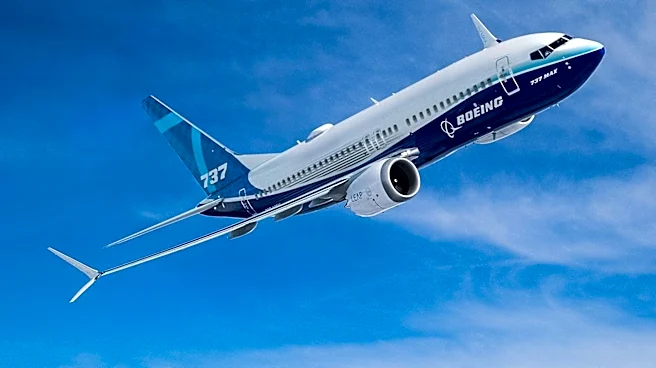
Boeing has released its 2026 Commercial Market Outlook, forecasting significant growth in the global commercial airplane fleet over the next two decades. The company anticipates the fleet will expand by nearly 80%, reaching over 50,000 airplanes by 2045.
This growth is driven by a projected doubling of passenger traffic, with an annual increase of 4%. Boeing expects nearly 44,000 new airplane deliveries, half of which will replace older models with more fuel-efficient aircraft. The expansion is supported by enduring demand drivers such as growing tourism, expanding destinations, and increased trade and commerce. The report highlights the resilience of air travel demand despite near-term disruptions and emphasizes the importance of new, fuel-efficient airplanes in connecting people and economies globally.
Why It's Important?
The projected growth in the global commercial fleet and passenger traffic underscores the aviation industry's critical role in global connectivity and economic development. The demand for new, fuel-efficient airplanes aligns with sustainability goals and reflects a shift towards more environmentally friendly aviation practices. This expansion presents significant opportunities for airlines to modernize their fleets, improve operational efficiency, and enhance passenger experience. The growth in air travel demand also indicates potential economic benefits, including job creation and increased trade. However, it also poses challenges, such as the need for infrastructure development and addressing environmental concerns associated with increased air traffic.
What's Next?
As the aviation industry prepares for this anticipated growth, airlines are likely to focus on fleet modernization and expanding their route networks. The introduction of new, fuel-efficient aircraft will be crucial in meeting sustainability targets and managing operational costs. Additionally, the industry may see increased investment in infrastructure to accommodate the growing number of flights and passengers. Regulatory bodies and airlines will need to collaborate to ensure safety and efficiency in this expanding market. The continued development of emerging markets will also play a significant role in shaping the future of global air travel.