







What's Happening?
A new scientific review titled 'Beyond the bare minimum' suggests that consuming more protein than the current minimum recommendations may be crucial for maintaining strength, mobility, and independence as people age. The current guideline for adults
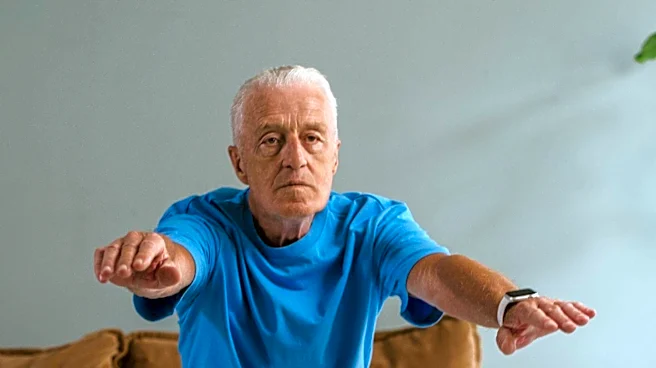
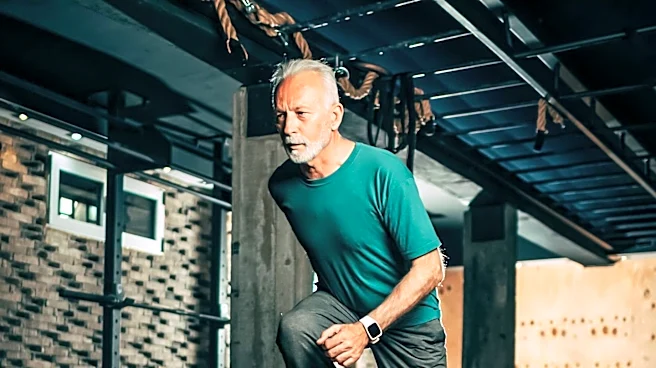
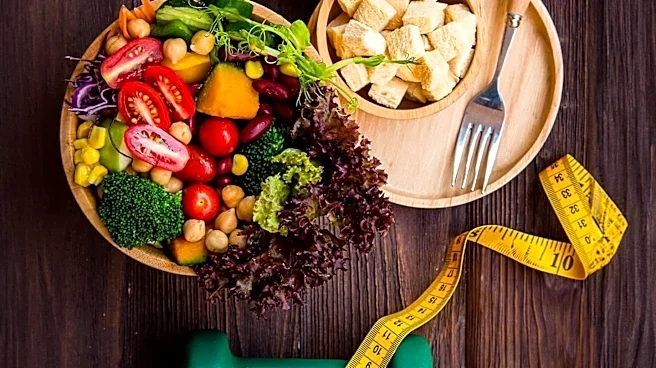
is approximately 0.8 grams of protein per kilogram of body weight per day. However, the review, published in Frontiers in Nutrition, argues that these recommendations are aimed at preventing deficiency rather than maximizing strength and long-term health. Dr. Chris Macdonald, one of the authors, emphasizes that high-protein diets, often associated with bodybuilders, could help the general population extend their lifespan and healthspan. The review suggests incorporating protein-rich foods into every meal and pairing protein intake with regular strength training to support muscle maintenance and overall health.
Why It's Important?
The findings of this review could have significant implications for public health guidelines and individual dietary practices, particularly for older adults. As the population ages, maintaining muscle mass and strength becomes increasingly important to prevent falls, maintain mobility, and ensure independence. By advocating for higher protein intake and regular strength training, the review challenges existing dietary guidelines and encourages a shift towards more proactive health maintenance strategies. This could lead to changes in nutritional advice provided by healthcare professionals and influence the food industry to develop products that cater to these revised dietary needs.
What's Next?
If these findings gain traction, they could prompt a reevaluation of current dietary guidelines by health authorities. This might lead to updated recommendations that emphasize the importance of protein and strength training for ageing populations. Additionally, there could be increased demand for protein-rich foods and supplements, as well as fitness programs tailored to older adults. Healthcare providers may also begin to incorporate these recommendations into patient care plans, potentially improving health outcomes for the ageing population.
Beyond the Headlines
The review highlights a broader cultural shift towards viewing ageing not just as a period of decline but as an opportunity to maintain and even improve quality of life through diet and exercise. This perspective could influence how society approaches ageing, encouraging more active lifestyles and better nutritional habits among older adults. It also raises questions about the accessibility of protein-rich foods and exercise opportunities for all socioeconomic groups, potentially prompting discussions about public health policy and resource allocation.