



What's Happening?
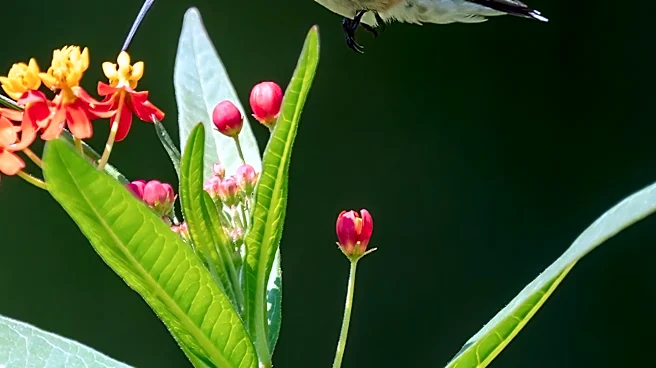
As August heat continues across the U.S., the strategic placement of hummingbird feeders is crucial for the birds' safety and the quality of the nectar. Direct sunlight can spoil nectar within hours, turning it into a dangerous brew of black mold and fermented
vinegar, which is harmful to hummingbirds. Exposed feeders also leave birds vulnerable to heat and predators. To mitigate these risks, feeders should be hung in shaded areas, ideally under a tree canopy or on the eastern side of a home, to protect them from harsh afternoon sun while still receiving morning light. Providing nearby shelter from shrubs and trees (10-15 feet away) offers safe resting spots for hummingbirds, who have extremely high metabolisms.
Why It's Important?
Proper hummingbird feeder placement is vital for supporting these migratory birds, especially during the demanding August heat as they refuel for fall migration. Incorrect placement can lead to spoiled nectar, posing health risks to hummingbirds, and expose them to predators, impacting their survival rates. The tips provided, such as ensuring shade and nearby shelter, directly address these critical issues. By maintaining fresh nectar and providing safe environments, gardeners and bird enthusiasts contribute to the conservation of hummingbird populations. This also enhances the enjoyment of backyard birdwatching, as well-placed feeders attract more birds, offering opportunities for observation and connection with nature.
What's Next?
Gardeners and bird enthusiasts should immediately assess and adjust their hummingbird feeder placements to ensure optimal conditions for the birds. This includes relocating feeders to shaded areas, adding sunshades or baffle guards, and ensuring proximity to natural shelters like trees and shrubs. Regular cleaning and refilling of feeders with fresh nectar will also be essential, especially given the rapid spoilage in hot weather. As the season progresses towards fall migration, maintaining these optimal conditions will continue to be important to support hummingbirds on their journey. The ongoing effort to provide safe and healthy feeding stations will contribute to the overall well-being of these delicate creatures.
Beyond the Headlines
The seemingly simple act of placing a hummingbird feeder carries broader ecological implications. Hummingbirds are important pollinators, and their health directly impacts local ecosystems. The challenges posed by extreme heat, exacerbated by climate change, highlight the increasing need for human intervention to support wildlife. This situation underscores the interconnectedness of human actions, environmental conditions, and wildlife survival. Furthermore, the advice to place feeders within 3 feet of a window or more than 30 feet away to prevent window collisions reflects a growing awareness of bird safety in urban and suburban environments. These practices encourage a more thoughtful and responsible approach to coexisting with wildlife, fostering a deeper appreciation for biodiversity in everyday spaces.