





What's Happening?
Health experts are emphasizing the effectiveness of dietary changes, particularly adopting vegetarian and vegan diets, in naturally lowering cholesterol levels. According to Jen Messer, a registered dietitian and president of the New Hampshire Academy
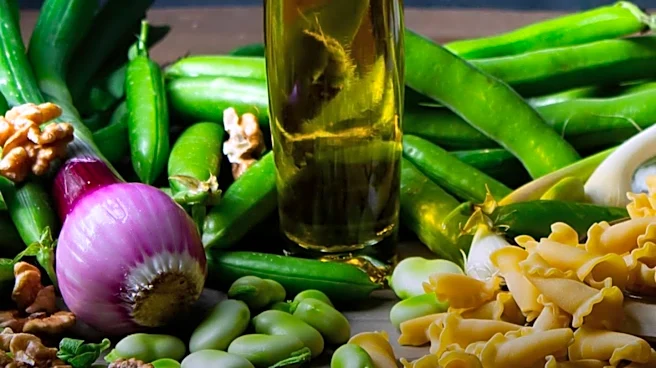
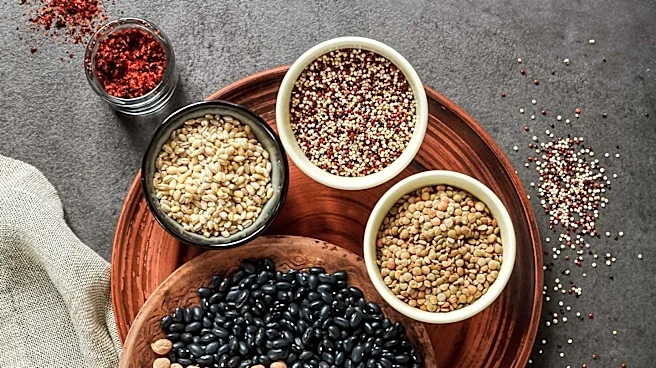
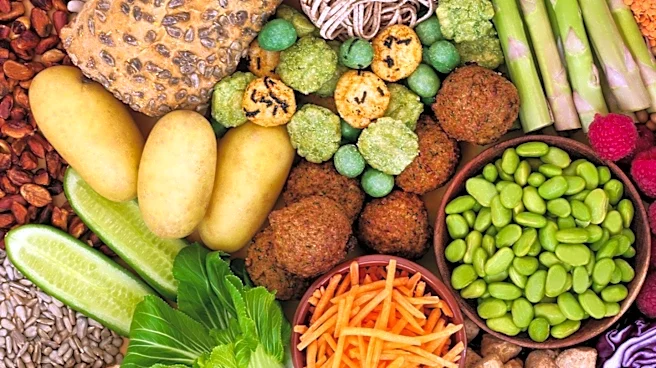
of Nutrition and Dietetics, replacing saturated fats found in red meat, butter, cheese, and fried foods with unsaturated fats from olive oil, avocados, nuts, and fish is the most consistent dietary strategy. Dr. Lisa Young, a registered dietitian nutritionist and adjunct professor of nutrition at New York University, highlights that a comprehensive approach combining low saturated fat intake with plenty of nuts, fiber, soy protein, and plant-based foods can significantly reduce LDL (bad) cholesterol by 30 to 40 mg/dL. Additionally, Dr. Laxmi Mehta, a cardiologist with Ohio State Wexner Medical Center, advises limiting sweetened drinks, alcohol, sodium, refined carbohydrates, full-fat dairy products, highly-processed foods, tropical oils, trans fats, and partially hydrogenated oils. Exercise also plays a crucial role, with at least 150 minutes per week of moderate-intensity activity combined with strength training recommended to improve cholesterol results.
Why It's Important?
The emphasis on natural methods for cholesterol reduction is significant for public health, offering accessible strategies for millions of Americans affected by high cholesterol. High cholesterol, often a silent condition, increases the risk of serious health problems like heart disease and stroke. By promoting dietary shifts towards plant-based eating and increased physical activity, experts are providing actionable advice that can empower individuals to take control of their cardiovascular health. This approach can reduce reliance on pharmaceutical interventions for some, or complement them for others, leading to better long-term health outcomes. The recommendations highlight the profound impact of lifestyle choices on chronic disease management, potentially reducing healthcare burdens and improving overall quality of life for a large segment of the population.
What's Next?
Individuals diagnosed with high cholesterol are encouraged to consult with healthcare professionals to integrate these dietary and lifestyle changes into their health management plans. The continued dissemination of this expert advice through health organizations and media outlets will likely reinforce the importance of plant-based diets and regular exercise. We may see an increased demand for plant-based food options and nutrition counseling services as more people adopt these recommendations. Public health campaigns could further promote these natural strategies, potentially leading to a broader societal shift towards healthier eating habits and more active lifestyles. Ongoing research will likely continue to refine these recommendations and explore additional natural methods for cholesterol management.
Beyond the Headlines
The push for plant-based diets to manage cholesterol extends beyond individual health, touching upon broader societal and environmental implications. A widespread adoption of vegetarian and vegan diets could lead to significant reductions in the environmental footprint associated with meat production, including lower greenhouse gas emissions and reduced land and water usage. Ethically, it also raises discussions about animal welfare and sustainable food systems. Economically, this shift could spur innovation in the plant-based food industry, creating new markets and job opportunities. Culturally, it challenges traditional dietary norms and encourages a re-evaluation of food choices, potentially leading to a more conscious and health-oriented approach to eating across the nation.