





What's Happening?
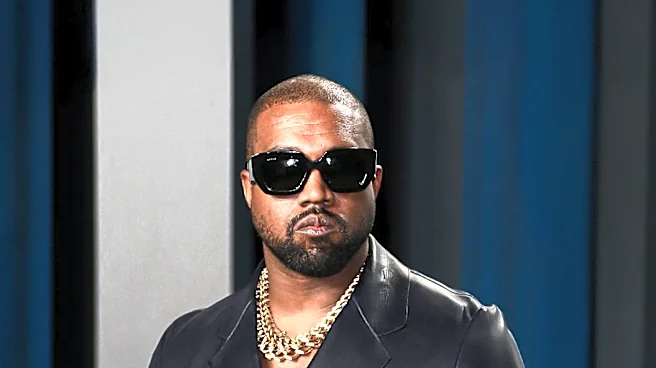
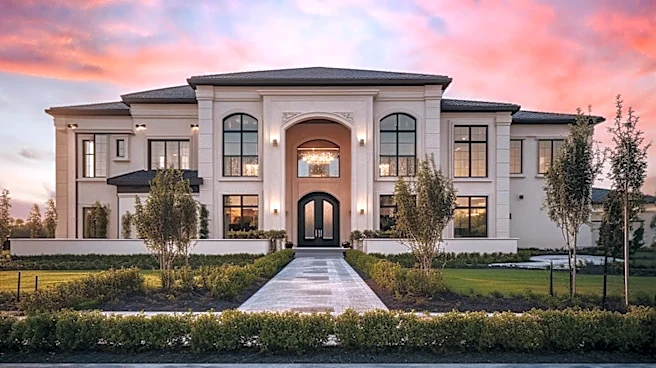
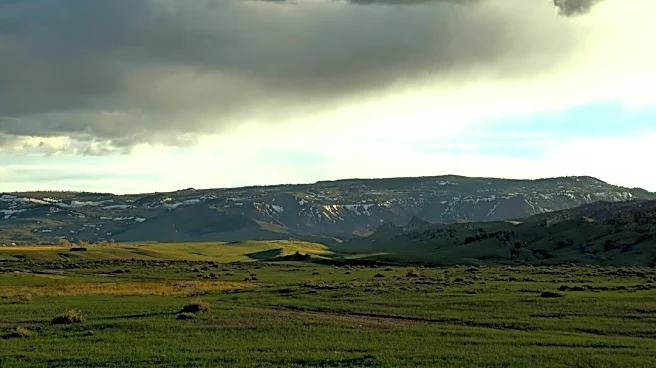
In 2019, Kanye West acquired a 6,713-acre ranch in Wyoming for $14.495 million, known as Bighorn Mountain Ranch. This vast estate includes multiple luxury log lodges, woodland cabins, and heated helicopter landing pads. The property is characterized by
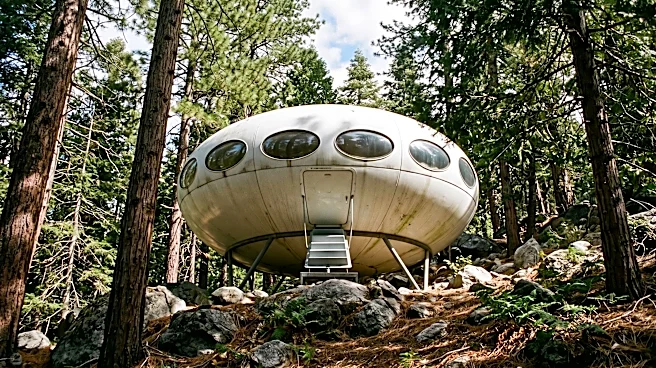
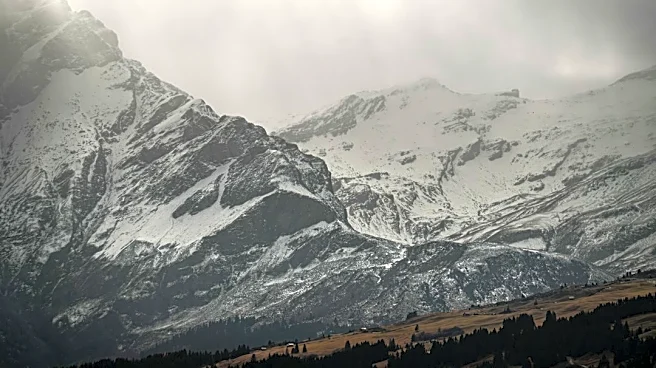
rugged canyons, bluffs, mountain terrain, and streams, with promotional materials highlighting its role as a habitat for approximately 2,000 elk that move between the ranch and neighboring public lands. The acquisition was part of West's broader interest in developing land and establishing communities in Wyoming, moving beyond his established life in California. Architectural Digest reported on this second Wyoming ranch purchase by West in November 2019, following an earlier acquisition in the state. The estate's history dates back to 1906 and features various buildings, including 'The Lodge at Bald Ridge' with five bedrooms and a commercial kitchen, and 'Snowshoe Lodge' with additional cabins and walk-in saunas. The facilities are designed to support activities across the extensive property, with Greybull, the nearest town, being a 10-minute helicopter flight away.
Why It's Important?
Kanye West's significant investment in Wyoming real estate highlights a trend among high-profile individuals seeking expansive, private retreats that offer both luxury and a connection to nature. This purchase, valued at nearly $14.5 million, underscores the growing appeal of large rural estates, particularly those with unique natural features and wildlife. For the real estate market in Wyoming, such high-value transactions can influence property valuations and potentially attract further investment from affluent buyers looking for similar amenities and privacy. The mention of West's ambitions to develop land and create communities in Wyoming also suggests a potential for broader economic impact, including job creation and infrastructure development, should these plans materialize. The presence of approximately 2,000 elk on the property and adjacent public lands also brings attention to wildlife conservation and land management in the region, as private land ownership can play a role in habitat preservation or, conversely, raise questions about access and impact on natural ecosystems.
What's Next?
While the source details the 2019 purchase and West's stated ambitions at the time, it does not provide specific updates on the progression of his development plans or the current status of the ranch. Future developments could include further expansion or modification of the existing structures, or the initiation of community-building projects as West had previously discussed. The ongoing management of the ranch's natural resources, particularly concerning the elk population that traverses both private and public lands, may also become a point of interest. Any future actions by West regarding the property could influence local zoning, environmental regulations, and the regional economy. Public statements or interviews from West or his representatives would be necessary to understand the current trajectory of his Wyoming investments and whether his broader development ambitions are still active.
Beyond the Headlines
Kanye West's acquisition of the Bighorn Mountain Ranch transcends a simple real estate transaction, reflecting a broader cultural and lifestyle shift among some celebrities towards seeking solitude and establishing roots in less conventional locations. This move could be interpreted as an attempt to create a personal sanctuary away from the intense public scrutiny often associated with urban celebrity life. The emphasis on the ranch's natural beauty and wildlife, particularly the elk population, also touches upon themes of environmental stewardship and the desire for a more sustainable or nature-integrated lifestyle, even within a luxury context. Furthermore, West's expressed interest in developing communities in Wyoming suggests a potential for him to influence regional development and potentially introduce new architectural or community planning concepts, which could have long-term cultural and economic implications for the area. This move also highlights the evolving definition of 'luxury,' which increasingly includes vast natural landscapes and privacy, rather than solely urban amenities.