




What's Happening?
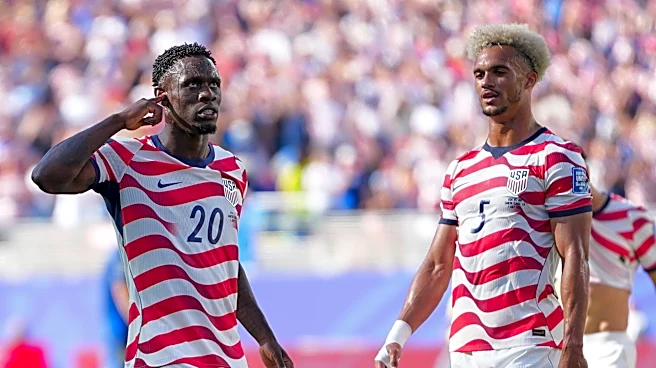
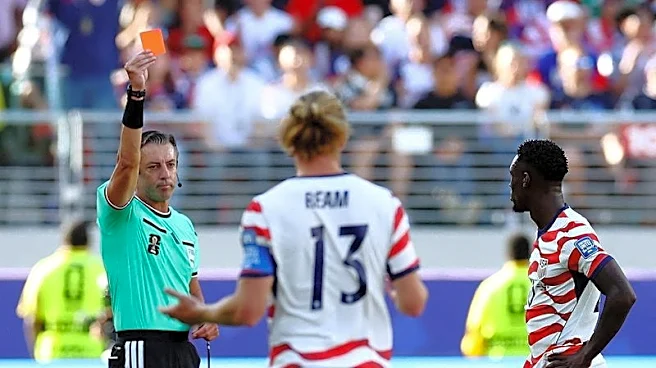
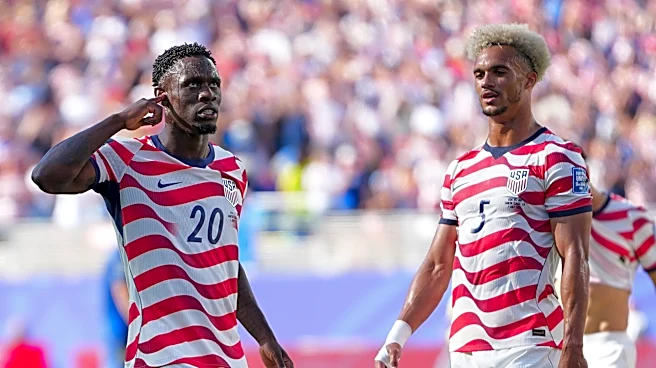
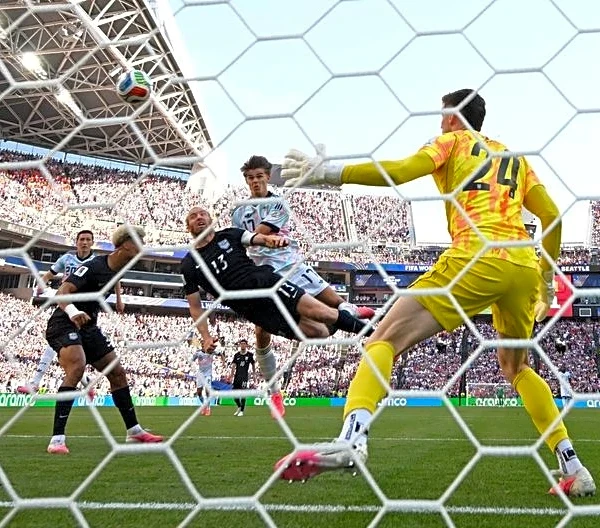
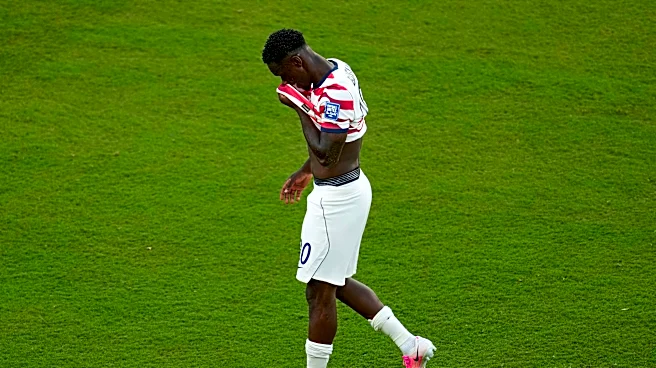
UEFA has expressed strong disapproval of FIFA's decision to suspend the red card ban for Folarin Balogun, a key player for the United States men's national soccer team. Balogun was initially set to miss the World Cup match against Belgium due to a red card received
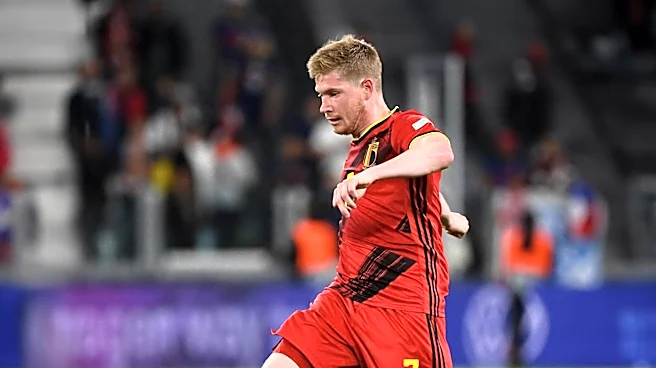
in a previous game against Bosnia and Herzegovina. However, FIFA deferred his one-match suspension for a year, allowing him to play. UEFA criticized this move as unprecedented and unjustifiable, arguing that it undermines the integrity of the game and sets a problematic precedent. The Royal Belgian Football Association also expressed astonishment at the decision, which they believe contradicts FIFA's own disciplinary guidelines.
Why It's Important?
This decision by FIFA has significant implications for the integrity and fairness of international soccer competitions. By suspending Balogun's ban, FIFA has potentially set a precedent that could lead to inconsistent application of rules in future tournaments. This could affect the credibility of the World Cup and other international competitions, as teams may question the fairness of disciplinary actions. The decision also highlights the influence of political and administrative interventions in sports, as reports suggest that U.S. President Donald Trump was involved in discussions with FIFA regarding the suspension. This raises concerns about the impartiality of sports governance and the potential for political influence to affect sporting outcomes.
What's Next?
The Royal Belgian Football Association has indicated that it will continue to explore options to challenge FIFA's decision. This could involve further appeals or seeking intervention from other governing bodies. The situation may also prompt FIFA to review its disciplinary processes to ensure consistency and transparency in future decisions. Additionally, other teams and stakeholders in international soccer may push for clearer guidelines to prevent similar controversies. The outcome of this situation could influence how disciplinary actions are handled in future tournaments, potentially leading to reforms in FIFA's governance and decision-making processes.