


What's Happening?
Manchester United is currently navigating a period of significant managerial uncertainty, with reports indicating that the club's hierarchy prefers to retain current head coach Michael Carrick despite recent mixed results. Following a 3-0 defeat to Bournemouth
and a 4-1 Champions League loss to Como, Carrick's position was under intense scrutiny. However, crisis talks involving Sir Jim Ratcliffe, Jason Wilcox, Christopher Vivell, and Omar Berrada reportedly granted him a 'stay of execution.' A subsequent 2-0 loss to Chelsea was largely attributed to player error, further delaying a decision on Carrick's future. A 3-2 comeback victory against Roma has since eased some pressure. While Eddie Howe and Julian Nagelsmann have been considered frontrunners for the role, reports refute any advanced talks with these or other potential successors like Didier Deschamps. The club's preference, as stated by sources, is to keep Carrick, with officials noting 'signs of improvement' in the team's performance.
Why It's Important?
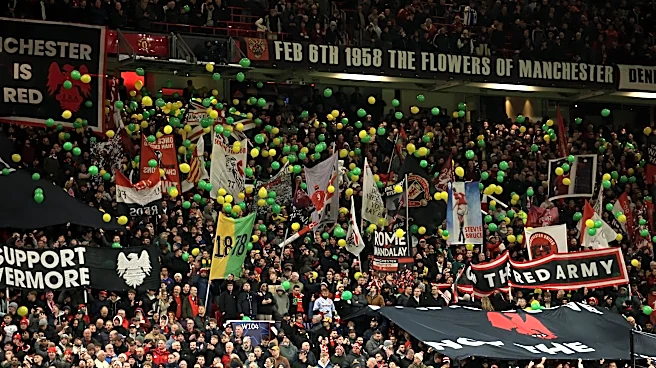
The ongoing managerial situation at Manchester United carries significant implications for the club's immediate and long-term trajectory. Stability in leadership is crucial for team performance, player morale, and strategic planning. A prolonged period of uncertainty could impact recruitment efforts, as potential new players might be hesitant to join a club without a clear managerial vision. Furthermore, the decision to retain or replace Carrick will reflect the strategic direction of the new ownership group, INEOS, under Sir Jim Ratcliffe. Their approach to leadership will set a precedent for how the club addresses future performance challenges. The financial implications are also substantial, as managerial changes often involve significant severance packages and new contract negotiations, impacting the club's overall budget and transfer market flexibility. The fan base, a critical stakeholder, is also deeply invested, with their sentiment often influencing the club's commercial appeal and atmosphere at matches.
What's Next?
The immediate future for Manchester United involves continued assessment of Michael Carrick's performance, particularly in upcoming matches. The international break is noted as a key period for reassessment, though no immediate change is guaranteed. The club's hierarchy will be closely monitoring results and team dynamics to determine if the 'signs of improvement' are sustainable. Should results falter again, the pressure to seek a new manager will intensify, potentially leading to renewed contact with previously considered candidates like Eddie Howe or Julian Nagelsmann. Conversely, a string of positive results could solidify Carrick's position for an extended period. The upcoming match against Aston Villa is particularly significant, as it will provide another test of the team's progress under Carrick and could influence the board's decision-making process regarding his long-term future.
Beyond the Headlines
Beyond the immediate managerial decision, this situation highlights a broader trend in modern football where clubs grapple with balancing short-term results against long-term strategic development. The 'stay of execution' granted to Carrick suggests a cautious approach by the new ownership, possibly indicating a desire for stability rather than a quick, reactive change. This could signal a shift towards a more patient management style, allowing coaches more time to implement their vision. However, it also risks alienating a fan base accustomed to high expectations and quick solutions. The influence of player performance, such as Lisandro Martinez's error against Chelsea, in shaping managerial decisions also underscores the complex interplay between individual player form and overall team leadership. This scenario could also set a precedent for how INEOS handles future performance dips, revealing their philosophy on managerial tenure and club development.