







What's Happening?
The luxury hospitality sector is undergoing a significant transformation, moving away from a brand-centric model towards prioritizing human connection, intimate experiences, and integration with local culture. This shift is driven by a growing demand
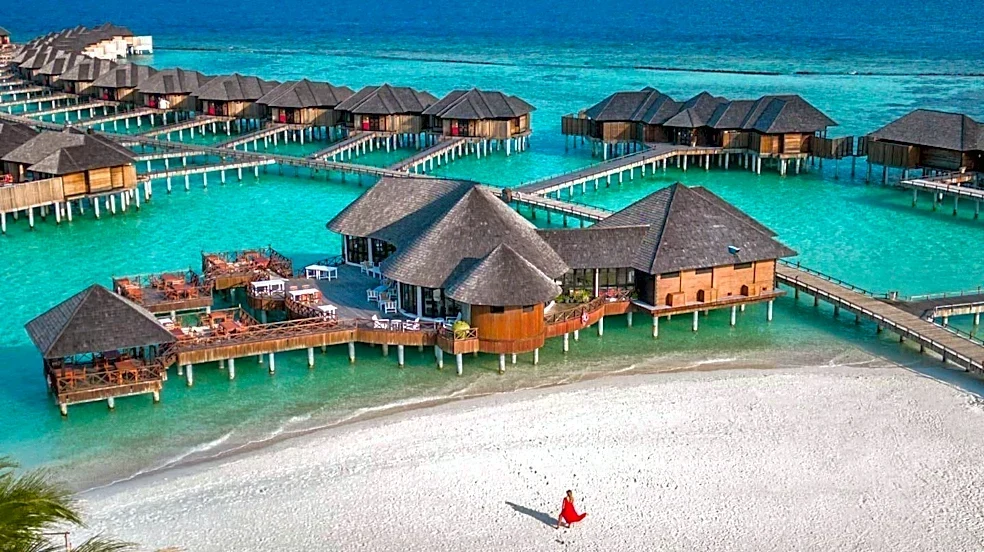
for wellness getaways and experiential travel, where guests seek memorable and meaningful journeys rather than just places to stay. Industry leaders emphasize that the true value of a luxury stay now lies in experiences that connect travelers with nature, culture, and local traditions. This trend is evident in the flurry of new luxury hotel openings scheduled for late 2026 and 2027, with a focus on properties that offer custom programs blending spa treatments, biohacking, and nutrition plans tailored to individual guest goals. The aim is to provide curated experiences that are relevant to guests, rather than offering unlimited choices, recognizing that luxury is about thoughtful curation.
Why It's Important?
This evolution in luxury hospitality has profound implications for the industry, signaling a fundamental change in consumer expectations and business strategies. For hotels, it means investing more in unique, localized experiences and personalized services, which can differentiate them in a competitive market. The emphasis on human connection and local culture fosters deeper guest engagement and loyalty, as travelers increasingly value authenticity and a sense of place. This shift also impacts the broader tourism economy, encouraging the development of partnerships with local artisans, naturalists, and cultural experts. It challenges the traditional notion of luxury, moving it from ostentatious displays to more subtle, meaningful, and sustainable offerings. Businesses that adapt to this 'experience economy' will likely thrive, while those that remain brand-centric may struggle to meet the evolving demands of affluent travelers.
What's Next?
The luxury hospitality sector will continue to see a rise in personalized and curated experiences. Hotels are expected to further integrate local identity into their offerings, designing stays around the unique characteristics of their destinations. This includes offering experiences such as wildlife viewing, forest explorations with naturalists, and traditional cooking classes. The role of artificial intelligence (AI) will be debated and refined, with industry executives suggesting that technology should support, not replace, human interaction. AI will likely be used for initial guest insights, but human connection will remain paramount for creating spontaneous moments and emotional connections. Expect to see more collaborations with local makers and experts, providing guests with unique, bookable experiences. The industry will also focus on maintaining a consistent ethos across diverse portfolios, ensuring that personalization does not equate to endless choice but rather to thoughtful curation.
Beyond the Headlines
The deeper implications of this shift extend to the very definition of luxury and consumer values. It highlights a growing societal preference for experiences over material possessions, reflecting a desire for personal growth, well-being, and connection in an increasingly digital world. Ethically, this trend can promote more sustainable and regenerative tourism practices by encouraging respect for local environments and communities. Culturally, it fosters a deeper appreciation for diverse traditions and heritage, transforming travel into a form of cultural exchange. This evolution also challenges the notion of 'pricing power' in luxury, replacing it with 'value power,' where the perceived value is derived from the quality and uniqueness of the experience rather than just the brand name. This long-term shift suggests a more conscious and responsible approach to luxury consumption, with significant implications for how brands engage with their clientele.