



What's Happening?
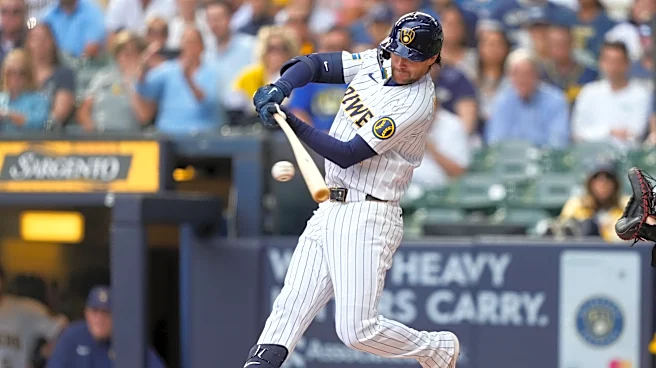
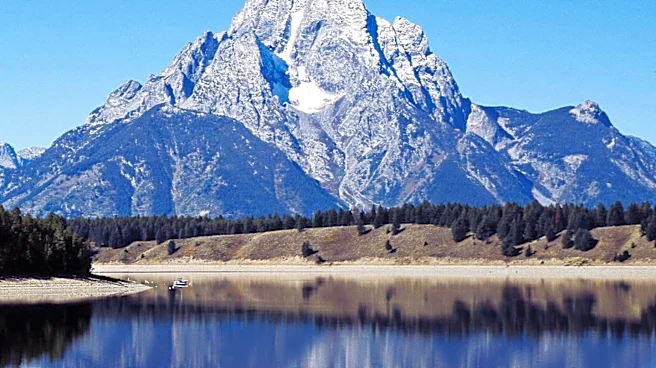
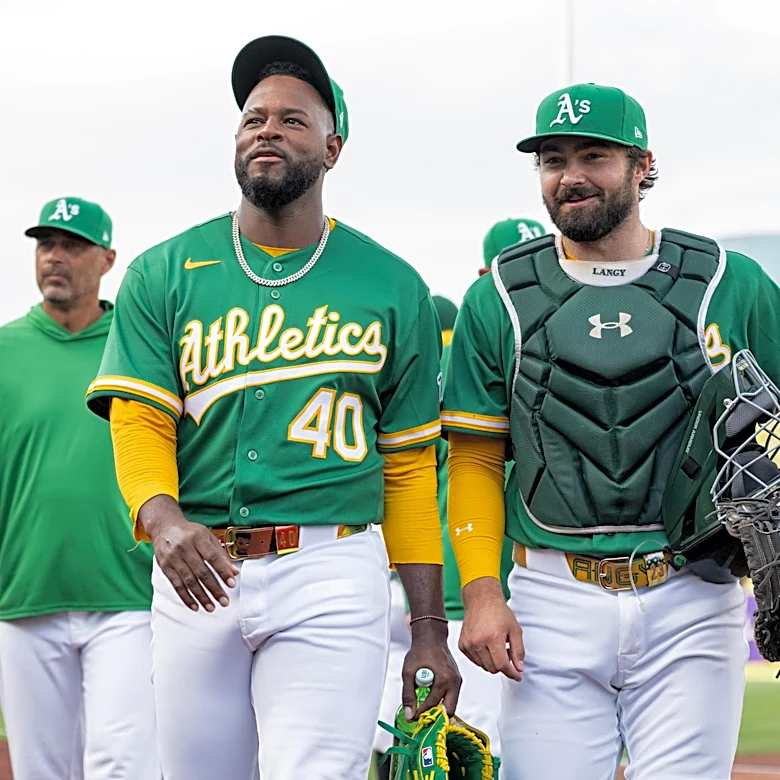
Major League Baseball (MLB) has abandoned its consideration of holding a game within a national park, specifically Grand Teton National Park in Wyoming. This decision was communicated by Commissioner Robert Manfred in a letter to Teton County officials.
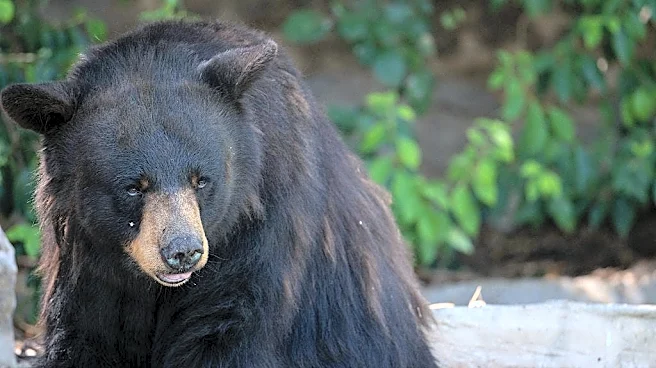
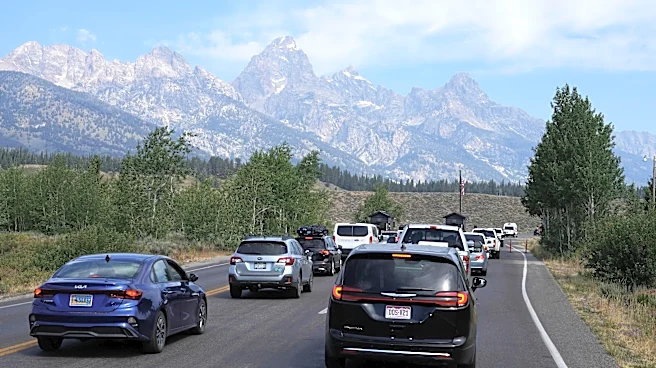
The initial report by the Washington Post on September 26 indicated that MLB had approached the White House about staging a one-day game at the park. This news quickly generated significant concern regarding the potential environmental impact of constructing a baseball field and associated infrastructure for spectators in the 310,000-acre park, which serves as a habitat for various wildlife including grizzly bears, osprey, and bison. Commissioner Manfred acknowledged that MLB had previously hosted games in unique locations like Fort Bragg military base and the nation's oldest Negro Leagues stadium, and that staff had been evaluating the environmental feasibility for Grand Teton. However, he stated that the local community's clear opposition led to the decision to discontinue Grand Teton as a potential site.
Why It's Important?
This decision highlights the growing public and local community scrutiny over commercial activities in protected natural areas. The swift and decisive backlash against MLB's proposal underscores a strong public sentiment for preserving national parks from large-scale commercial events that could disrupt ecosystems and alter the natural landscape. For MLB, it demonstrates the importance of community engagement and environmental considerations in their event planning, especially when venturing into non-traditional venues. The incident also brings attention to the broader challenges faced by U.S. national parks, including funding cuts, staffing shortages, and overcrowding, suggesting that any new proposals for commercial use will likely face intense examination. The Teton County Commissioner, Luther Propst, celebrated the decision, emphasizing the power of collective community action in protecting natural resources.
What's Next?
Following this retraction, MLB will likely continue to explore alternative unique venues for special games, but with a heightened awareness of potential environmental and community impacts. Future proposals for events in sensitive ecological areas will undoubtedly undergo more rigorous public and environmental impact assessments. The National Park Service, which had not granted any permits for the Grand Teton game, will likely maintain its cautious approach to commercial ventures within national parks. This event may also encourage other organizations considering similar large-scale events in protected areas to conduct more thorough preliminary consultations with local communities and environmental groups to gauge public sentiment and potential concerns before formalizing proposals.
Beyond the Headlines
The incident reflects a broader societal debate about the balance between commercial interests, public entertainment, and environmental conservation, particularly concerning national treasures like Grand Teton National Park. It underscores the ethical responsibility of large organizations to consider the ecological and cultural implications of their actions. The public's strong reaction suggests a growing environmental consciousness and a desire to protect natural spaces from perceived exploitation. This could set a precedent for how future large-scale events are planned and executed, pushing for more sustainable and community-approved approaches. It also highlights the role of local activism and media in holding powerful entities accountable for their environmental stewardship.