







What's Happening?
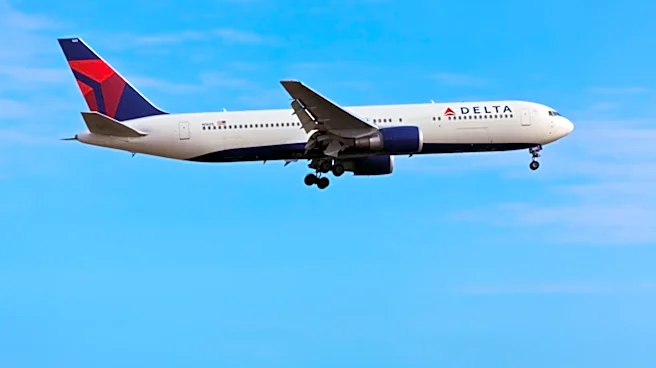
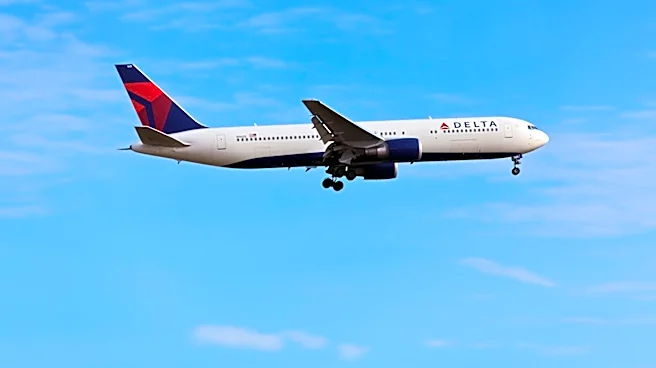
Delta Air Lines has significantly scaled back and effectively canceled its planned nonstop service between Boston Logan International Airport (BOS) and Honolulu International Airport (HNL). The airline had announced in February its intention to resume
the route, which was previously the longest nonstop domestic flight in the U.S., with daily holiday flights starting December 19, 2026, followed by four weekly frequencies through winter and spring. However, these plans have drastically changed. Delta will now operate only 16 of the originally planned 84 departures, exclusively around the Christmas holiday period, with the last service on January 3, 2027. This decision comes after the airline experienced low load factors on the route when it previously operated, with only 62.8% of seats filled on average, and a peak of 68.9% in January 2025, according to U.S. Department of Transportation data. Simple Flying suggests that the exit of Hawaiian Airlines from this route might have prompted Delta to reconsider, but the subsequent cancellation indicates insufficient demand.
Why It's Important?
This cancellation highlights the challenges airlines face in maintaining long-haul routes, particularly those with high operational costs and fluctuating passenger demand. For East Coast travelers, the direct link to Hawaii from Boston is now effectively severed, requiring connecting flights for those wishing to make the trip. This could lead to increased travel times and potentially higher costs for consumers. For Delta, the decision reflects a strategic move to optimize its route network and allocate resources to more profitable segments, especially as fuel prices have surged. The low load factor on a route of this magnitude indicates that even popular vacation destinations may not guarantee sufficient demand for direct, lengthy flights, impacting airline profitability and route planning. The absence of a direct competitor like Hawaiian Airlines did not, in this instance, translate into viable demand for Delta.
What's Next?
Travelers from the East Coast, particularly Boston, planning trips to Hawaii will need to adjust their itineraries to include connecting flights, likely through major hubs on the West Coast or other Delta hubs. Delta will continue to monitor market demand and fuel prices, which could influence future route decisions. The airline's focus will likely shift to routes demonstrating stronger profitability and higher passenger loads. Other airlines may assess the viability of offering nonstop service on this route in the future, but Delta's experience suggests a cautious approach. The broader airline industry will continue to grapple with the balance between offering extensive route networks and ensuring financial sustainability in the face of operational costs and passenger demand fluctuations.
Beyond the Headlines
The decision by Delta to cancel this long-haul route underscores a broader trend in the airline industry where profitability and efficiency often take precedence over convenience for specific niche markets. While the Boston-Honolulu route offered a unique direct connection, its inability to consistently fill seats, even without direct competition, points to a potential shift in traveler preferences or the economic realities of ultra-long-haul domestic flights. The surge in fuel prices, mentioned as a factor in other long-haul cancellations, further exacerbates the financial pressures on airlines. This situation also highlights the delicate balance between airline competition and market viability; the departure of one competitor (Hawaiian Airlines) did not automatically create a sustainable market for another (Delta), suggesting that the underlying demand for such a specific, lengthy route might be inherently limited, regardless of competitive landscape.