

What's Happening?
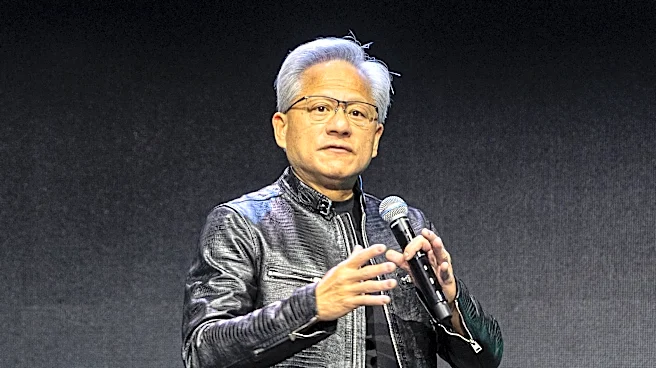
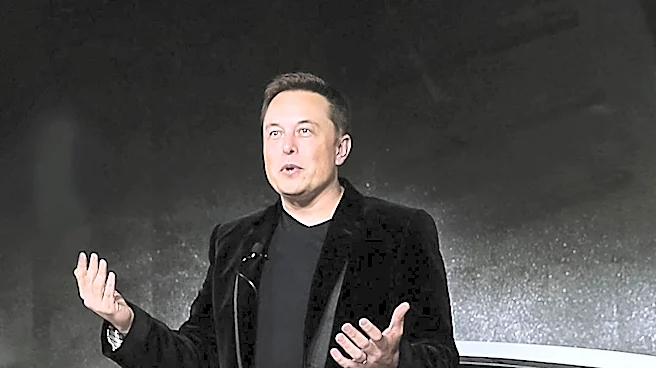
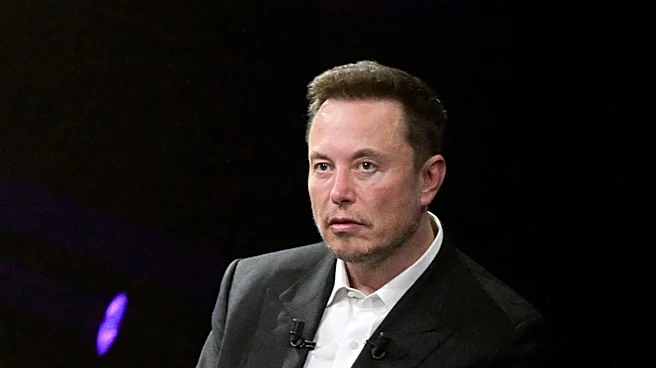
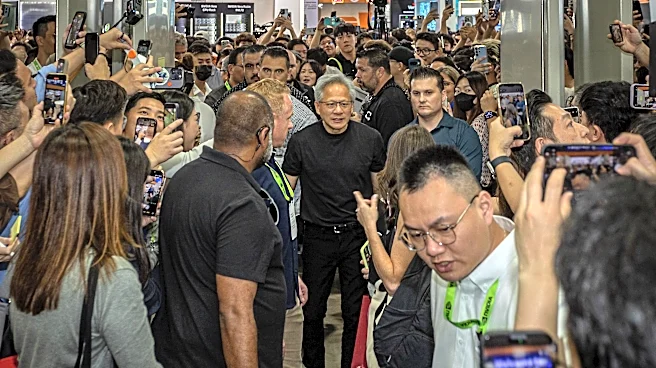
Elon Musk has expressed concern that Nvidia will lose 'critical deals' in its supply chain following the resignation of CEO Jensen Huang. Huang stepped down on November 12, 2026, with CFO Colette Kress taking over as interim CEO. Musk stated on X that many
of Huang's supplier agreements were based on personal 'handshake' deals rather than formal written contracts, implying that these relationships are vulnerable without Huang's direct involvement. This sentiment echoes an analysis by Dylan Patel of SemiAnalysis, who noted Huang's personal influence in securing production capacity from even small suppliers for Nvidia. Nvidia's stock has seen a significant decline, dropping 26.41% over the past month, with supply limitations being a key factor in its growth.
Why It's Important?
Nvidia's dominance in the AI chip market is heavily reliant on its ability to secure a consistent and sufficient supply of components. Elon Musk's warning highlights a potential vulnerability in Nvidia's operational model, where critical supply chain relationships may be tied to the personal influence of its former CEO rather than robust contractual agreements. This situation could lead to significant disruptions in Nvidia's production capabilities, impacting its ability to meet the surging demand for AI hardware. The potential loss of these 'handshake' deals could benefit competitors like Alphabet's Google, which is reportedly already seeking additional capacity from the same suppliers. This could shift market dynamics in the highly competitive AI industry and affect the broader technology sector's access to essential components.
What's Next?
Nvidia's interim CEO, Colette Kress, and the company's leadership will need to address the concerns regarding supply chain stability and the potential loss of key supplier relationships. This may involve formalizing existing informal agreements, building new relationships, or implementing strategies to mitigate the impact of Huang's absence. The company's performance in the coming quarters, particularly its ability to meet supply obligations, will be closely watched by investors and industry analysts. The ongoing internal investigation into the circumstances of Huang's resignation and any subsequent congressional inquiries could also influence Nvidia's strategic decisions and its standing in the market. The competition for supplier capacity, especially from companies like Google, is expected to intensify.
Beyond the Headlines
This situation underscores the often-unseen human element in complex global supply chains, particularly in high-tech industries. The reliance on personal relationships and 'handshake' deals, while potentially efficient in fostering trust and flexibility, introduces significant risk when key individuals depart. This incident could prompt other technology companies to re-evaluate their own supply chain strategies, emphasizing the need for more formalized agreements and diversified supplier relationships to ensure resilience. Furthermore, it highlights the immense power and influence that a single visionary leader can wield, not just in product innovation but also in the intricate operational aspects of a global enterprise. The long-term implications could include a shift towards more institutionalized and less personality-driven supply chain management practices across the tech sector.