




What's Happening?
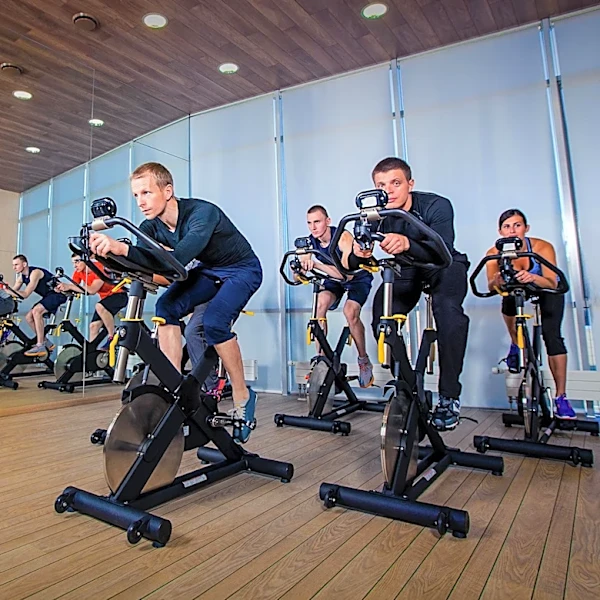
Tabata is a specific form of high-intensity interval training (HIIT) that involves 20 seconds of intense exercise followed by 10 seconds of rest. This protocol was developed from a 1996 study where participants performed cycling bouts at approximately
170% of their VO2 max. The original study involved seven men who completed seven or eight 20-second cycling bouts with 10 seconds of rest in between, five days a week for six weeks. This regimen led to a significant increase in VO2 max by 7 mL/kg/min and anaerobic capacity by 28%. In contrast, a comparison group that cycled steadily for an hour at 70% of VO2 max saw smaller gains in VO2 max and no improvement in anaerobic capacity. While the original Tabata protocol is considered supramaximal sprint interval training, its principles are widely adapted in various fitness classes and workouts today, often without reaching the same extreme intensity.
Why It's Important?
Tabata training offers an efficient method for improving fitness levels in a shorter amount of time compared to traditional steady-state cardio. Its effectiveness in boosting both aerobic capacity (VO2 max) and anaerobic capacity makes it a valuable tool for athletes and general fitness enthusiasts alike. The time-saving aspect of Tabata is particularly significant for individuals with busy schedules, allowing them to achieve substantial fitness benefits with shorter workout durations. The method's ability to enhance performance and dynamic balance, especially when combined with other HIIT techniques, highlights its versatility and impact on physical conditioning. This approach can lead to better overall health outcomes, including improved cardiovascular health and increased endurance, making it a relevant strategy in public health and fitness programs.
What's Next?
The continued integration of Tabata and similar HIIT protocols into mainstream fitness programs is expected. As research further refines understanding of optimal intensity and recovery periods, more tailored Tabata-based workouts may emerge, catering to different fitness levels and goals. There is potential for further studies to explore the long-term health benefits and adherence rates of Tabata training across diverse populations, including older adults and individuals with specific health conditions. The evolution of fitness technology, such as wearable devices and AI-powered coaching apps, could also enhance the personalization and effectiveness of Tabata workouts, making them more accessible and sustainable for a wider audience. Future developments may also focus on combining Tabata with strength training to create more comprehensive and time-efficient exercise regimens.
Beyond the Headlines
The popularity of Tabata training reflects a broader shift in fitness culture towards efficiency and high-intensity workouts. This trend raises questions about the balance between maximizing workout benefits and ensuring safety, especially given the high-intensity nature of Tabata. While effective, improper form or excessive intensity can lead to injuries, underscoring the importance of qualified instruction and gradual progression. The accessibility of Tabata, often requiring minimal equipment, democratizes fitness, allowing individuals to achieve significant results outside of traditional gym settings. However, the commercialization of 'Tabata' often deviates from the original scientific protocol, leading to variations that may not deliver the same physiological benefits. This highlights the need for consumers to be discerning about fitness programs claiming to be Tabata, ensuring they align with evidence-based practices.