






What's Happening?
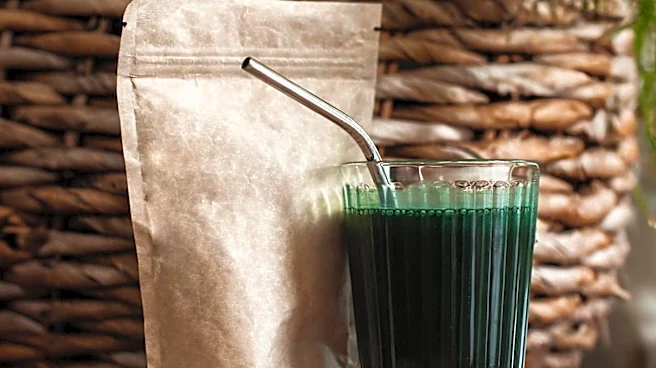
Clinical dietitian Kamil Paprotny highlights psyllium husk as an underrated superfood for gut health, suggesting it can be mixed with kefir for a hydrating, filling, and nutritious meal. This recommendation comes amidst broader discussions on foods that
support proper intestinal function. Other beneficial foods mentioned include ginger, praised for its anti-inflammatory and antioxidant properties due to gingerols, which stimulate digestive motility and alleviate nausea. Ground flaxseed is also highly recommended for its soluble fiber and mucilage content, which nourish beneficial gut bacteria and produce short-chain fatty acids essential for colon cell regeneration. Additionally, powdered moringa leaves, rich in polyphenols and flavonoids, are noted for their anti-inflammatory effects in the intestines and their ability to promote healthy bacterial flora. The article also mentions traditional fermented foods like pickles, natural yogurts, kefirs, and collagen-rich broths as excellent dietary supplements for gut regeneration.
Why It's Important?
The emphasis on specific superfoods like psyllium husk, ginger, flaxseed, and moringa underscores a growing public and professional interest in dietary interventions for gut health. This trend is significant for the U.S. health and wellness industry, potentially driving demand for these ingredients in food products, supplements, and health-focused meal plans. Consumers are increasingly seeking natural ways to address digestive issues like abdominal pain, bloating, and bowel disorders, which are often linked to intestinal lining damage. The recommendations from dietitians provide actionable advice that can influence consumer purchasing habits and encourage food manufacturers to incorporate these ingredients into their offerings. This shift could lead to a more proactive approach to digestive health, reducing reliance on pharmaceutical solutions for common gut ailments and promoting a holistic view of well-being.
What's Next?
The continued promotion of these superfoods by health professionals is likely to increase their visibility and consumption in the U.S. We can anticipate a rise in product development featuring psyllium husk, ginger, flaxseed, and moringa, particularly in the functional food and supplement sectors. Educational campaigns from health organizations and wellness influencers may further popularize these ingredients, leading to broader adoption in everyday diets. Consumers may also see more recipes and meal plans incorporating these superfoods, making them more accessible and easier to integrate into daily routines. The food industry might respond by offering more diverse products, from fortified yogurts and cereals to specialized health drinks and snack bars, all leveraging the perceived benefits of these gut-friendly ingredients. This could also spur further research into the specific mechanisms and long-term benefits of these foods on human gut health.
Beyond the Headlines
The focus on specific superfoods for gut health reflects a broader cultural shift towards personalized nutrition and preventative healthcare. This movement challenges conventional approaches to health by emphasizing the role of diet in maintaining well-being and preventing chronic conditions. The increasing popularity of ingredients like psyllium husk and moringa also highlights a growing openness to traditional and global food wisdom, as many of these superfoods have been staples in various cultures for centuries. This trend could lead to a more diverse and inclusive food landscape in the U.S., encouraging the exploration of ingredients beyond the typical Western diet. Furthermore, it raises questions about food sourcing, sustainability, and the ethical implications of increased demand for certain global superfoods, potentially impacting agricultural practices and supply chains worldwide.