




What's Happening?
Millennials and Gen Z are reshaping architectural demands with a focus on sustainability, flexibility, and biophilic design. These generations, known for their design-consciousness and housing stress, are influencing global architecture trends from New
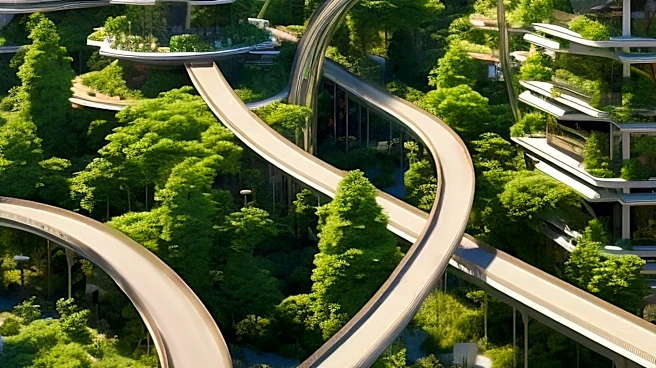
York to Vienna. They prioritize eco-friendly features such as solar panels and energy-efficient appliances, viewing them as essential rather than luxury add-ons. Additionally, they favor homes built with sustainable materials and located in eco-conscious neighborhoods. Flexibility is another key demand, with younger generations seeking homes that can adapt to remote work and changing family structures. Biophilic design, which integrates natural elements into living spaces, is also gaining traction as a health priority. This shift reflects a broader trend towards community-centered architecture that emphasizes inclusivity and sustainability.
Why It's Important?
The architectural preferences of Millennials and Gen Z have significant implications for the construction and real estate industries. As these generations become the primary consumers of housing, their demands for sustainability and flexibility are likely to drive innovation in building design and materials. This shift could lead to increased investment in eco-friendly technologies and sustainable construction practices. Additionally, the emphasis on biophilic design and community-centered spaces may influence urban planning and development, promoting healthier and more inclusive living environments. The focus on affordability and adaptability also highlights the need for new financing models and housing solutions to meet the needs of younger generations.
What's Next?
As Millennials and Gen Z continue to influence architectural trends, the construction industry may see a rise in adaptive reuse projects and the development of flexible living spaces. Architects and developers are likely to explore new materials and technologies to meet the demand for sustainable and adaptable homes. Urban planners may also prioritize the integration of green spaces and community-centered designs in future developments. Additionally, the focus on affordability could lead to innovative financing solutions, such as rent-to-own schemes and micro-mortgages, to make housing more accessible to younger generations.