






What's Happening?
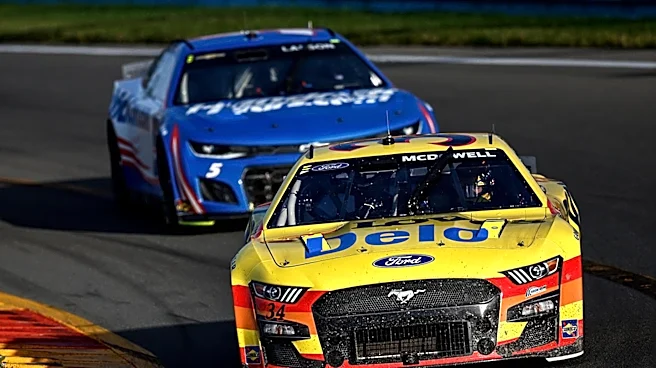
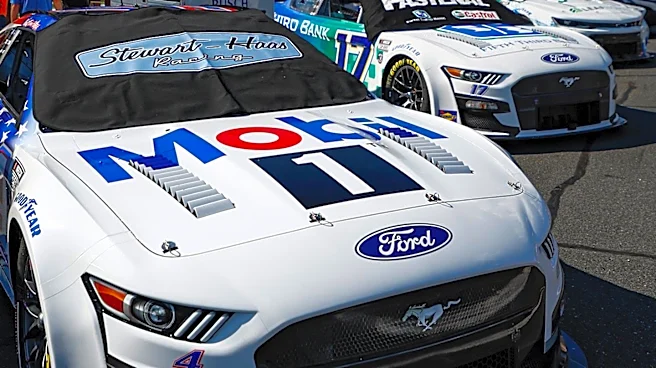
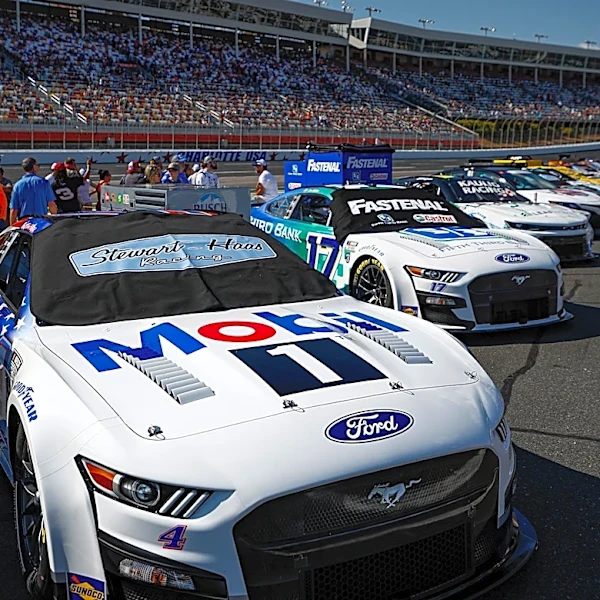
NASCAR has announced a significant change to its Cup cars for the upcoming regular season finale at Daytona. The organization is reducing the spoiler size from 7 inches to 4 inches and decreasing horsepower from 510 to 465. This adjustment aims to reduce
drag and increase passing opportunities during the race. The smaller spoiler, typically used on intermediate tracks, is part of a new superspeedway package that includes wide splitter stuffers to maintain aerodynamic balance. John Probst, NASCAR Event Management President, explained that the changes are designed to open the bubble behind cars, preventing them from running nose-to-tail and allowing more room for passing. The decision follows extensive simulations and consultations with key figures from Hendrick Motorsports, Team Penske, and Joe Gibbs Racing. The changes are expected to increase single-car speeds by 2 to 3 mph, while maintaining maximum pack speeds.
Why It's Important?
This modification is crucial for enhancing the competitive nature of NASCAR races, addressing fan concerns about the lack of passing opportunities and the reliance on fuel-saving strategies. By reducing the spoiler size and horsepower, NASCAR aims to create a more dynamic and engaging race experience, potentially increasing viewership and fan satisfaction. The changes also reflect NASCAR's ongoing efforts to balance competition and entertainment, ensuring that races remain unpredictable and exciting. This move could influence future race strategies and car designs, impacting teams and manufacturers involved in the sport.
What's Next?
NASCAR plans to test the new package at Daytona in January 2027, although the exact location is yet to be finalized. The organization will monitor the impact of these changes during the upcoming race and gather feedback from teams and drivers. Depending on the results, NASCAR may consider implementing similar adjustments at other tracks to further enhance race quality. Teams will need to adapt their strategies to the new package, potentially leading to shifts in competitive dynamics and race outcomes.