






What's Happening?
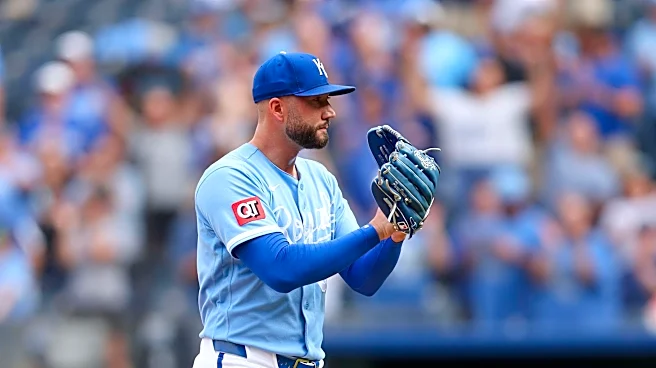
John Sherman, owner of the Kansas City Royals, has publicly addressed the team's disappointing season, which saw them finish last in the AL Central with a 69-93 record, 16 games out of first place. Sherman indicated that the poor performance necessitates
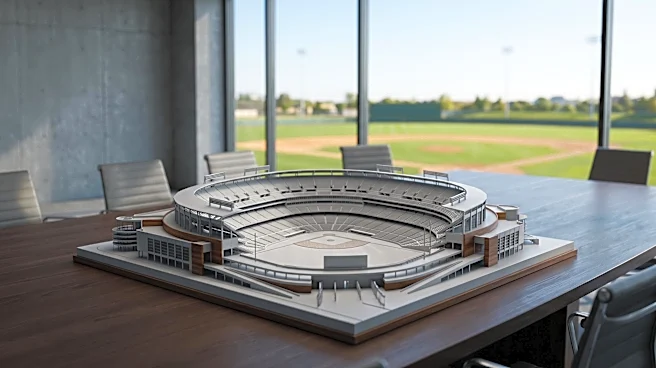
a comprehensive review of all aspects of the organization. He also stated his willingness to increase spending if such investments are demonstrably linked to improving the Royals' pitching staff. In parallel, Sherman is moving forward with plans for a new ballpark. Demolition of the Hallmark building at Crown Center is slated to begin in the coming months, with the target for full demolition set for late 2026 or early 2027. The team aims to occupy their new stadium by 2030, a year before their current lease at the Truman Sports Complex expires. Sherman was also involved in the MLB owners' lockout of players in December 2021 and served on the labor committee for the new Collective Bargaining Agreement.
Why It's Important?
Sherman's comments highlight the financial and strategic challenges facing MLB teams, particularly those in smaller markets. His openness to increased spending, contingent on pitching improvements, signals a potential shift in the team's investment strategy, which could impact player acquisitions and overall competitiveness. The planned new ballpark represents a significant urban development project for Kansas City, with potential economic implications for the Crown Center area and surrounding businesses. The move could generate new revenue streams for the team and the city, but also raises questions about public funding and the economic benefits of such projects. Sherman's past involvement in labor negotiations underscores the ongoing tension between team owners and players regarding revenue sharing and competitive balance, issues that continue to shape the league's economic landscape. The desire for 'revenue parity and competitive balance' expressed by fans, as noted by Sherman, reflects a broader sentiment among baseball enthusiasts for a more equitable and exciting league.
What's Next?
The Royals organization is expected to conduct a thorough review of its operations following the disappointing season, which may lead to changes in coaching staff, front office personnel, or player development strategies. Fans will be watching closely for any announcements regarding increased spending on pitching talent. Concurrently, the initial phases of the new ballpark project, including the demolition of the Hallmark building, are set to commence. This will mark a tangible step towards the team's relocation to Crown Center. Further details regarding the financing, design, and community impact of the new stadium are likely to emerge as the project progresses. The team's target move-in date of 2030 suggests a multi-year construction timeline, during which the Royals will continue to play at the Truman Sports Complex. The success of the new ballpark project will depend on various factors, including public support, financial viability, and the team's on-field performance.
Beyond the Headlines
The Royals' pursuit of a new ballpark at Crown Center reflects a broader trend in professional sports where teams seek modern facilities to enhance fan experience and generate additional revenue. This often involves complex negotiations with local governments regarding public funding and tax incentives, raising questions about the equitable distribution of economic benefits. The emphasis on 'revenue parity and competitive balance' by fans, as acknowledged by Sherman, points to a deeper concern about the integrity of the sport and the ability of all teams to compete for championships, not just those with the largest payrolls. The decision to invest in a new stadium also carries significant urban planning implications, potentially revitalizing certain areas while impacting existing businesses and residents. The long-term success of such projects is often debated, with economists frequently scrutinizing the actual economic benefits versus the public investment. The Royals' move could reshape the cultural and economic landscape of Kansas City for decades to come.