





What's Happening?
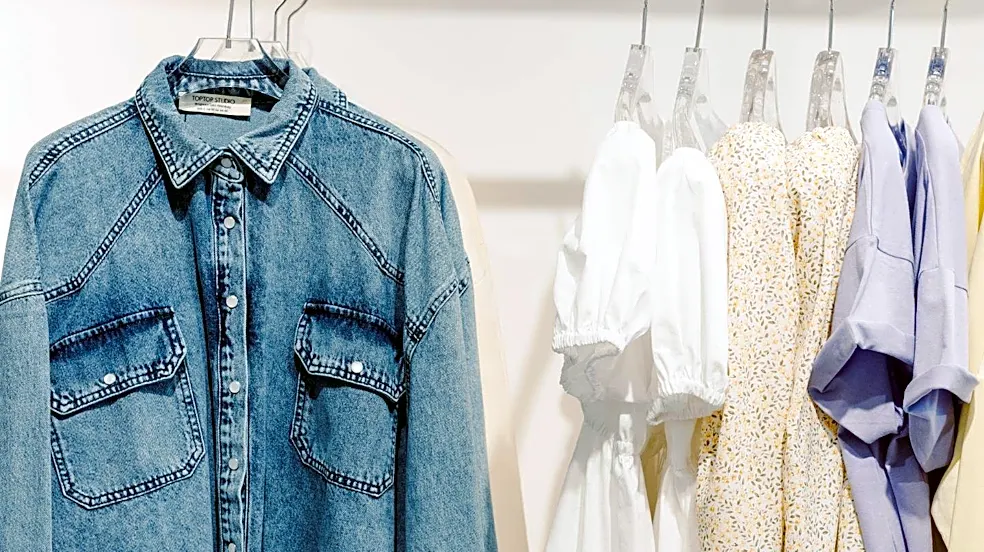
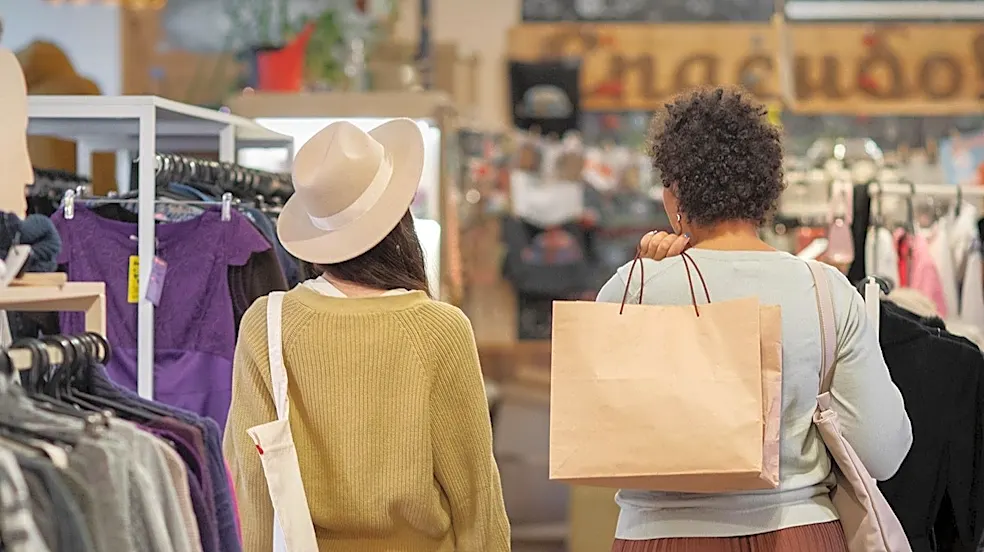
Derrick Ooi, a 37-year-old entrepreneur, has opened 'Weird Things' in Subang Jaya, Malaysia, a thrift store that aims to provide good-quality, stylish, and affordable second-hand items with a nostalgic twist. Ooi, who previously spent 15 years in the
sports fashion industry, started thrifting in 2017 and turned his passion into a business after experiencing burnout. 'Weird Things' is a follow-up to his earlier venture, 'Weird Space,' opened in 2024. The store emphasizes sustainability and affordability, sourcing most of its pre-loved clothing locally from charity shops, NGOs, families, and online marketplaces. Beyond clothing, the shop also features vintage board games, books, electronic gadgets, and unique collectibles, including army-surplus clothing from the 1970s and historical Malaysian items, aiming to evoke a sense of nostalgia for its customers.
Why It's Important?
While this story is based in Malaysia, it reflects a global trend in the growing popularity of second-hand retail and sustainable fashion, which has significant implications for the U.S. market. The success of 'Weird Things' demonstrates that consumers are increasingly seeking unique, affordable, and environmentally conscious alternatives to fast fashion. This trend encourages the growth of local businesses that prioritize curation and community engagement, potentially inspiring similar ventures in the U.S. The emphasis on sustainability and the circular economy aligns with evolving consumer values in the U.S., where there's a rising demand for ethical consumption. Furthermore, the store's focus on nostalgia and unique finds highlights a niche market that values individuality and historical connection, influencing how U.S. thrift stores and vintage shops might evolve to attract a broader customer base.
What's Next?
The success of businesses like 'Weird Things' could inspire more entrepreneurs in the U.S. to enter the curated second-hand market, focusing on unique themes, local sourcing, and community building. This might lead to a diversification of thrift store offerings beyond traditional models, incorporating elements of nostalgia, collectibles, and local artistry. As consumer awareness of sustainability grows, demand for such businesses is likely to increase, potentially fostering a more robust circular economy in fashion and other goods. The store's plan to host workshops and collaborations with independent creators also points to a future where retail spaces become community hubs, offering experiences beyond just shopping. This model could be adopted by U.S. businesses looking to enhance customer engagement and foster local creative economies.
Beyond the Headlines
The narrative of 'Weird Things' goes beyond just selling used clothes; it taps into a deeper cultural desire for authenticity, sustainability, and connection to the past. In a world dominated by mass-produced goods, curated thrift stores offer a unique antidote, providing items with stories and character. This movement challenges the consumerist culture of disposability and encourages a more mindful approach to consumption. The store's ability to evoke nostalgia through its diverse collection speaks to the emotional value consumers place on objects that remind them of their heritage or childhood. This psychological aspect of thrifting—the 'treasure hunt' and the discovery of unique items—contributes to its growing appeal, fostering a sense of individuality and personal style that mass-market fashion often lacks. It also highlights the potential for retail to be a platform for cultural preservation and community building.