







What's Happening?
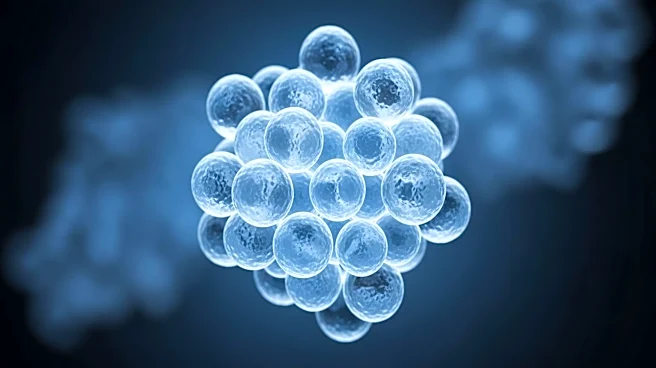
Researchers at Weill Cornell Medicine have discovered that ultrasmall fluorescent core-shell silica nanoparticles, known as Cornell Prime dots (C' dots), can induce ferroptosis and reprogram immunity in prostate cancer models. Originally designed for
imaging, these nanoparticles can kill tumor cells and enhance antitumor immunity. The study, published in Cancer Research, suggests that C' dots can overcome immune suppression in prostate cancer, potentially improving the efficacy of immunotherapy in this challenging disease.
Why It's Important?
This discovery represents a significant advancement in prostate cancer treatment, a disease where immunotherapy has historically been less effective. By inducing ferroptosis and reprogramming the immune microenvironment, C' dots offer a novel therapeutic approach that could enhance the effectiveness of existing treatments. The research highlights the potential of nanoparticles in cancer therapy, paving the way for new strategies to combat resistant tumors and improve patient outcomes.