





What's Happening?
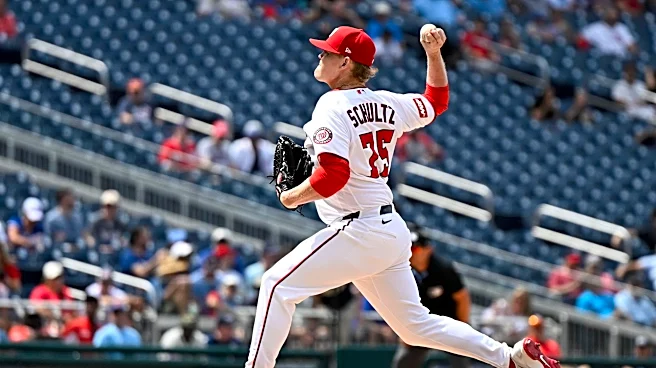
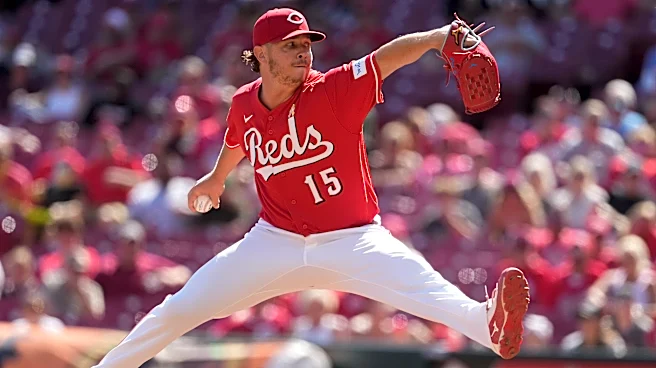
The Cincinnati Reds have opted not to extend a qualifying offer, valued at approximately $23 million, to pitcher Brady Singer. This decision comes after Singer's performance significantly declined in the latter half of the recent season. Initially, there
was an expectation that the Reds might offer Singer the qualifying offer, especially given that pitcher Hunter Greene is projected to miss the entirety of next season due to elbow surgery. However, Singer concluded the season with a 5.85 ERA across 31 starts and a particularly poor 7.35 ERA in his final 13 starts, allowing 55 earned runs in 67 1/3 innings. His struggles included allowing five or more runs in each of his last four September starts and three or more runs in his final 12 starts. This performance led the team to conclude that he was not worth the substantial $23 million price tag associated with the qualifying offer, according to Cincinnati Reds On SI.
Why It's Important?
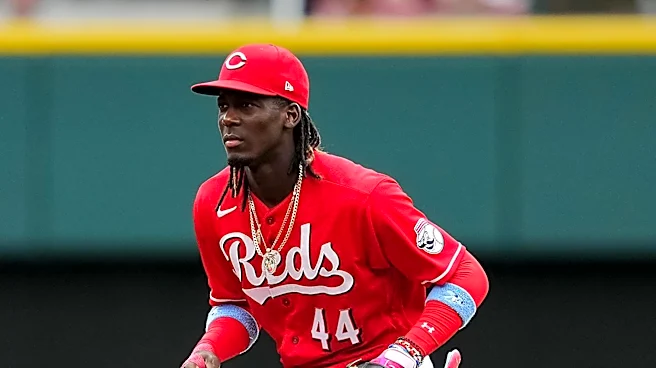
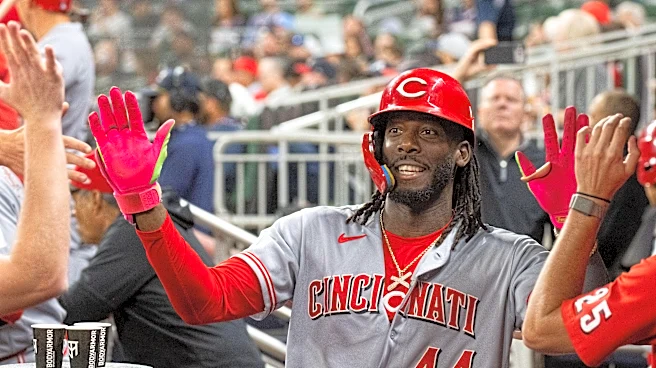
This decision is crucial for the Cincinnati Reds, a small-market team that cannot afford significant financial missteps. By not extending the qualifying offer to Brady Singer, the Reds avoid committing a substantial $23 million to a pitcher whose recent performance indicates he is not worth that investment. This financial prudence allows the team to reallocate resources to address other critical roster deficiencies. The Reds' current roster is described as a 'big question mark' beyond a few key players like Elly De La Cruz, Sal Stewart, and Chase Burns. The ability to save this capital is vital for a franchise aiming to improve its competitiveness without the financial flexibility of larger market teams. The move reflects a strategic effort to build a more robust and balanced roster for future seasons, learning from past contract decisions that have hindered the organization.
What's Next?
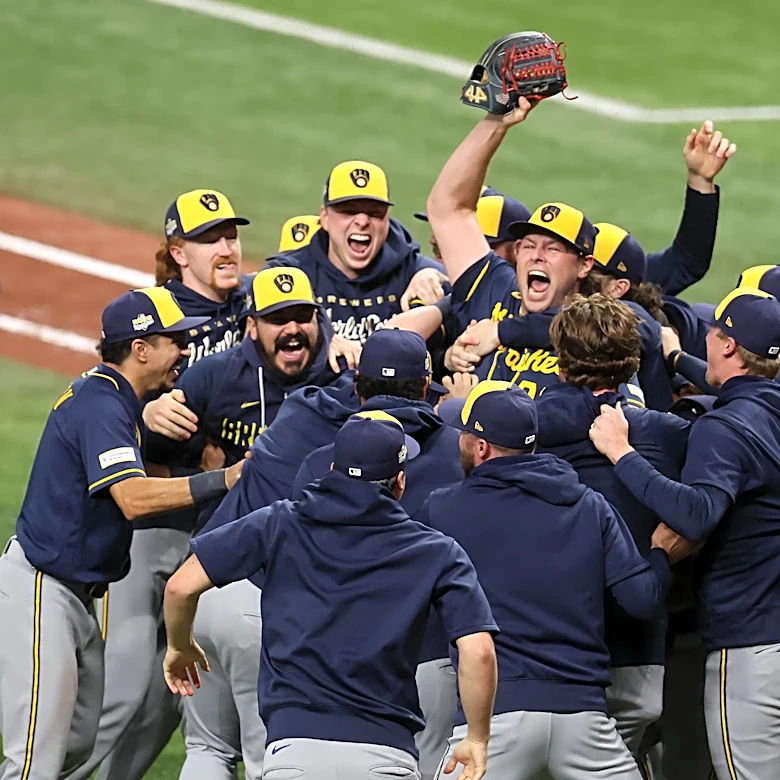
The Cincinnati Reds will now focus on reinvesting the saved funds into other areas of the roster that require significant improvement for the 2027 season. The team needs to acquire a catcher, multiple starting pitchers, several relievers, and potentially new players for third base, second base, and the outfield. This offseason will be critical for the Reds to make strategic decisions to enhance their competitiveness. The team's management, including Nick Krall, is under pressure to avoid past mistakes in free agency and build a winning team, drawing comparisons to successful small-market teams like the Milwaukee Brewers and Tampa Bay Rays. The focus will be on identifying and acquiring talent that provides better value and addresses the team's numerous positional and pitching needs.
Beyond the Headlines
The Reds' decision highlights a broader trend in MLB where small-market teams must exercise extreme caution and strategic financial planning to remain competitive. The avoidance of a potentially costly qualifying offer to Singer underscores the importance of performance-based value in player contracts, especially for teams with limited budgets. This move could set a precedent for how the Reds approach future free-agent decisions, prioritizing efficient resource allocation over high-risk investments in underperforming players. It also reflects a shift towards a more analytical approach to roster construction, where past performance and future projections heavily influence financial commitments. The team's ability to effectively reallocate these funds will be a key indicator of its long-term strategic success and its capacity to build a sustainable winning culture.