






What's Happening?
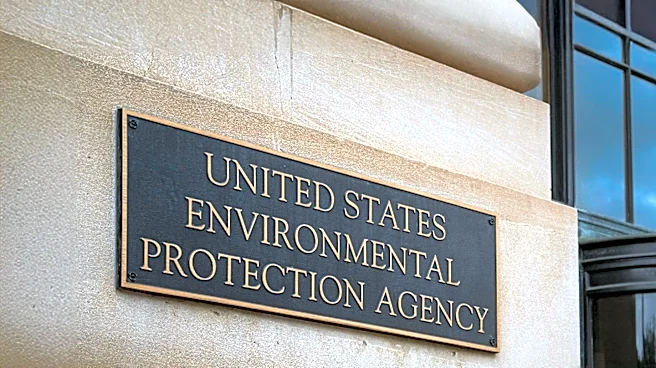
The United States Environmental Protection Agency (EPA) has published a proposed rule in the September 28th Federal Register, indicating a reconsideration of certain provisions within the May 8, 2024, National Emission Standards for Hazardous Air Pollutants
(NESHAP) Gasoline Distribution Technology Review and New Source Performance Standards (NSPS) Review for Bulk Gasoline Terminals final rule. This proposal specifically targets key provisions of the 2024 Final Rule, including operating limits and continuous compliance requirements for air emission control devices, as well as vapor tightness requirements for gasoline cargo tanks. The Energy Marketers of America (EMA) has been a significant advocate in this reconsideration, raising concerns about the technical feasibility and operational impacts of the 2024 Final Rule's stringent standards. EMA provided information and data highlighting difficulties faced by fuel marketers and cargo tank operators, such as issues with temperature fluctuations and limitations in EPA Method 27, which could lead to false test failures and premature equipment replacement. The EPA acknowledges that nearly 42% of U.S. gasoline distribution businesses are small businesses.
Why It's Important?
This reconsideration by the EPA is important because it directly impacts the operational and compliance burdens on the gasoline distribution industry, particularly small businesses. The original 2024 Final Rule introduced more stringent pressure-drop limits for cargo tanks, which the EMA argued were difficult to reliably demonstrate under real-world conditions. By proposing to replace these limits with graduated pressure-drop limits of 1.0 to 2.5 inches of water column, depending on compartment size, the EPA is responding to industry concerns about technical feasibility and economic viability. This adjustment could alleviate significant financial and operational stress on fuel marketers and cargo tank operators, potentially preventing unnecessary retesting and equipment replacement costs. The EPA's recognition of the high percentage of small businesses in this sector underscores the economic sensitivity of these regulations and the potential for disproportionate impacts if standards are not practical. The outcome of this reconsideration will influence the balance between environmental protection and economic sustainability for a critical U.S. industry.
What's Next?
The EPA's proposed reconsideration will undergo a public comment period, allowing stakeholders to provide further input on the revised standards. The agency will review these comments before issuing a final rule. The Energy Marketers of America and its state chapters, such as the Arkansas Oil Marketers Association, will likely continue their advocacy efforts to ensure the final regulations are both environmentally effective and technically achievable for the industry. The industrial source categories affected by this proposal include Petroleum Refineries, Petroleum Bulk Stations and Terminals, Pipeline Transportation of Refined Petroleum Products, and Other Warehousing and Storage. The final decision will determine the specific compliance requirements for these entities, influencing their operational practices and investment in emission control technologies. The EPA's goal is to strike a balance that protects air quality while ensuring the continued reliable and affordable distribution of gasoline.
Beyond the Headlines
This regulatory adjustment highlights the ongoing tension between environmental protection goals and the practical realities faced by industries. The EPA's willingness to reconsider its final rule based on industry feedback demonstrates the dynamic nature of environmental policy-making, where scientific objectives must often be balanced with economic and technological constraints. The case also underscores the significant role of trade associations like EMA in representing their members' interests and providing crucial data to regulatory bodies. The outcome could set a precedent for how future environmental regulations are developed and implemented, emphasizing the need for thorough impact assessments and stakeholder engagement. It also brings to light the challenges of regulating a diverse industry that includes a large proportion of small businesses, where compliance costs can have a more profound effect.