

What's Happening?
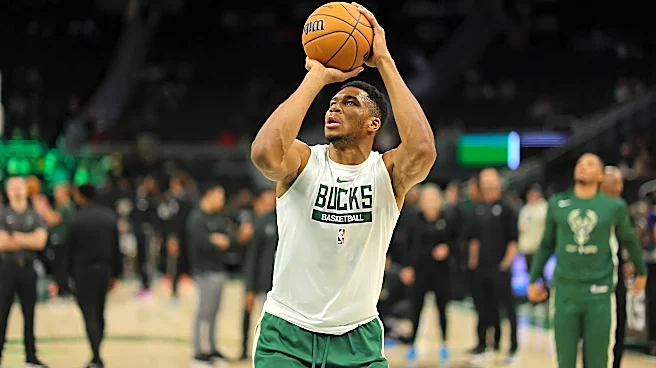
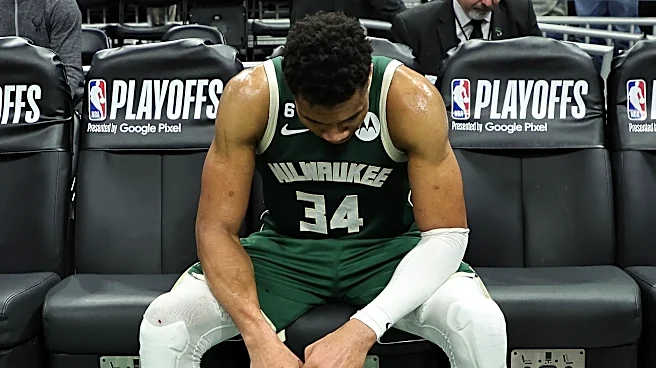
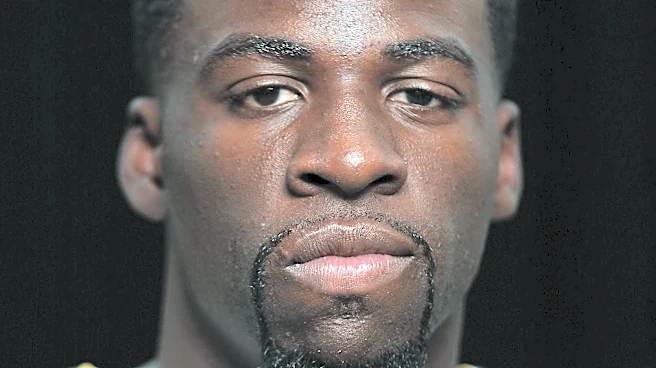
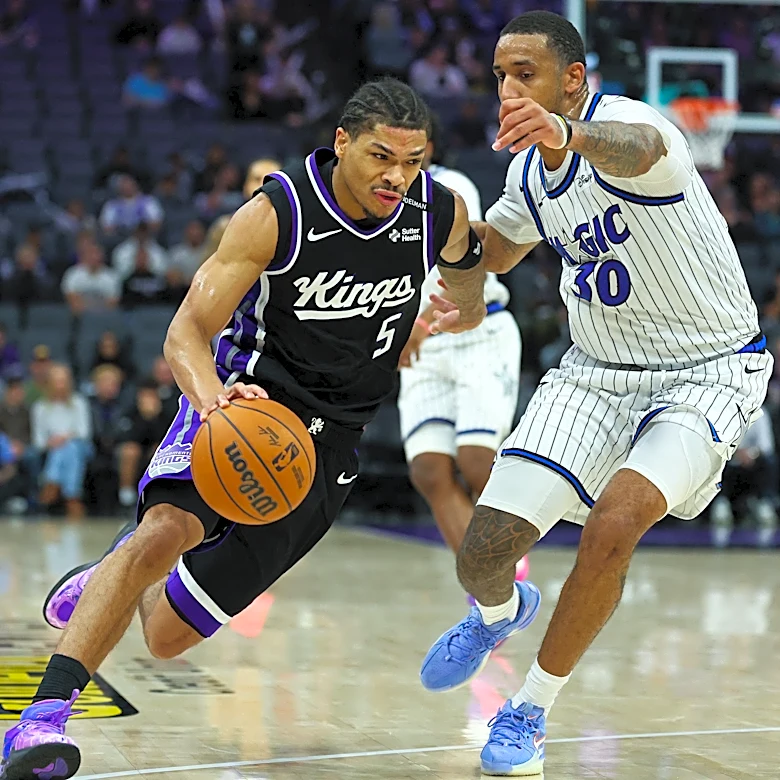
Golden State Warriors veteran Draymond Green has issued a warning to NBA coaches, including Doc Rivers and Sacramento Kings Head Coach Doug Christie, regarding public criticism of players. This comes after Rivers, during an appearance on The Bill Simmons
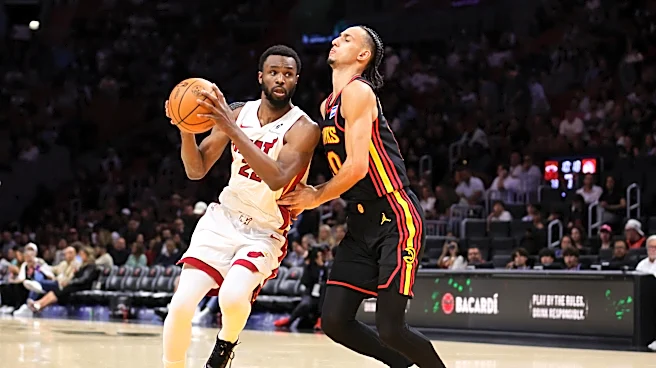
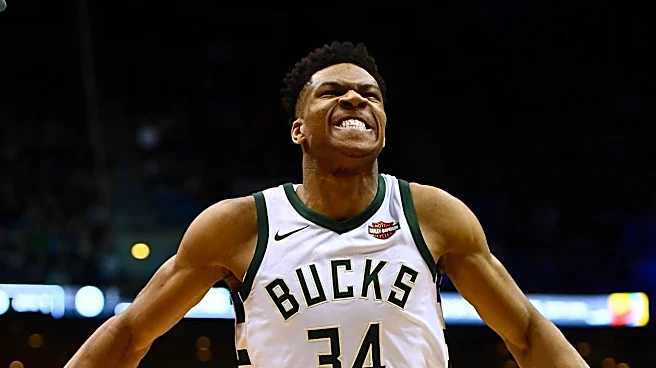
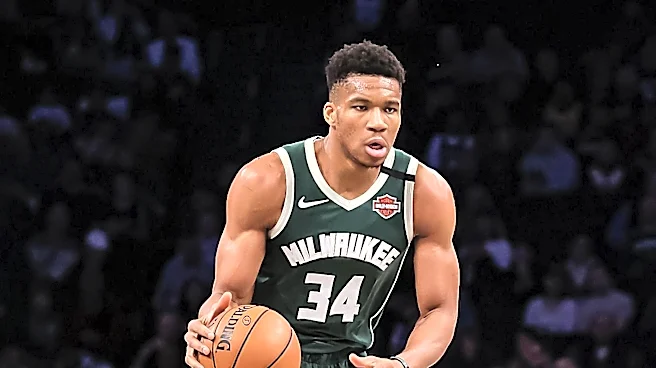
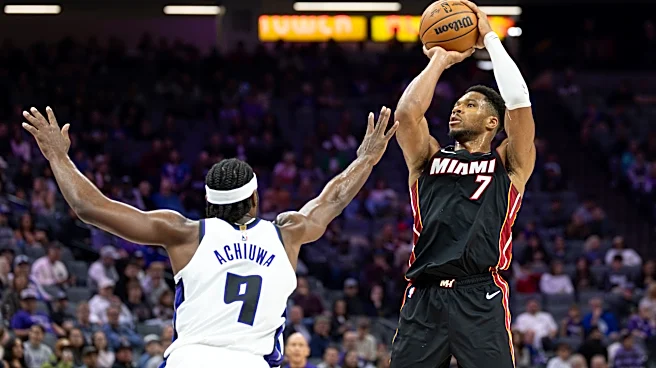
Podcast, questioned Giannis Antetokounmpo's basketball IQ, stating he "doesn't necessarily have super IQ." Following this, Christie also made comments about Antetokounmpo's mid-range shooting efficiency after a game between the Miami Heat and the Kings. Green, speaking on his podcast, defended Antetokounmpo, highlighting the difficulty of guarding him and emphasizing the need for team effort. He drew parallels to past criticisms of coaches, such as JJ Redick's remarks about Rivers, and suggested that if coaches continue to publicly criticize players, players might retaliate with similar public critiques of coaches. NBA insider Marc J. Spears reported that Rivers has since reached out to Antetokounmpo to clarify his remarks and apologize.
Why It's Important?
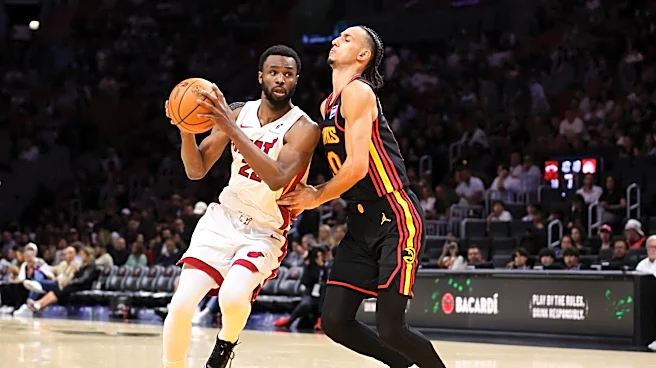
This situation underscores a growing tension in the NBA regarding the professional relationship and mutual respect between coaches and star players. Draymond Green's comments, particularly his suggestion that players might start publicly criticizing coaches in return, could lead to a shift in how coaches address player performance in the media. Such a shift could impact team dynamics, player morale, and the public perception of both coaches and players. For the league, maintaining a professional discourse is crucial to its image and the integrity of its competitive environment. The incident also highlights the scrutiny faced by high-profile players like Giannis Antetokounmpo, especially after significant team changes, and the pressure on coaches to manage expectations and public commentary effectively. The Miami Heat, having recently acquired Antetokounmpo, are navigating this external noise while trying to integrate him into their system.
What's Next?
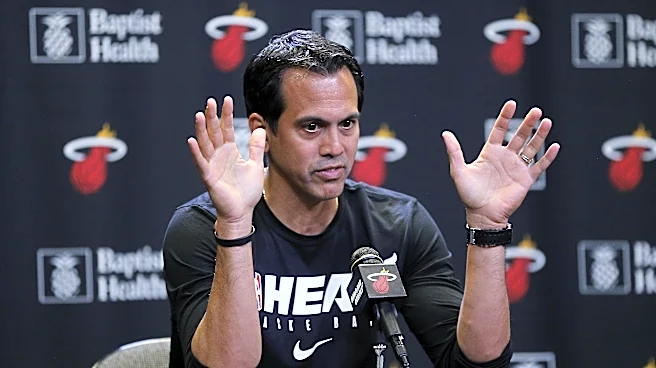
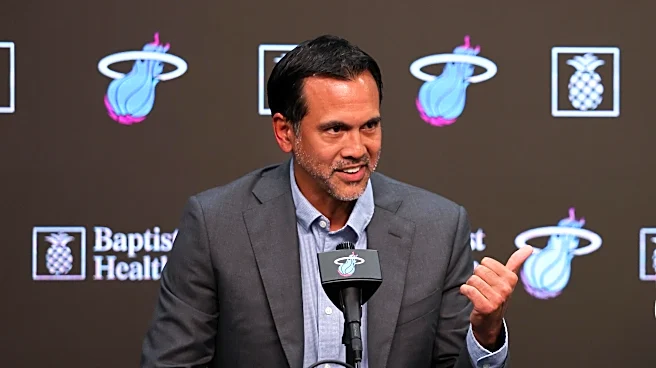
The NBA community will likely observe how coaches and players respond to Green's warning in future interactions with the media. There could be an increased emphasis on internal communication and a more cautious approach to public statements from both sides. Miami Heat Head Coach Erik Spoelstra has already defended Antetokounmpo, indicating a protective stance from team leadership. The league might also consider reinforcing guidelines or expectations for professional conduct in public statements to prevent further escalation of such exchanges. The ongoing performance of Giannis Antetokounmpo with the Miami Heat will also remain a focal point, as the team works to build momentum despite a slow start to the 2026–27 season.
Beyond the Headlines
The public exchange between coaches and players touches upon broader ethical considerations within professional sports regarding accountability, respect, and the boundaries of public discourse. While coaches are expected to provide honest assessments, the manner and forum of such critiques can have significant repercussions. Green's argument for a 'two-way street' in criticism raises questions about power dynamics and the potential for a more egalitarian, albeit potentially more volatile, relationship between players and coaching staff. This incident could contribute to a cultural shift where players feel more empowered to challenge public narratives, potentially leading to more unfiltered and direct communication, which could be both refreshing and disruptive for the league.