




What's Happening?
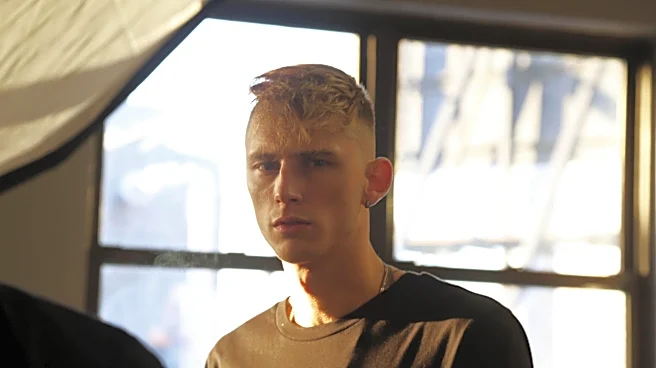
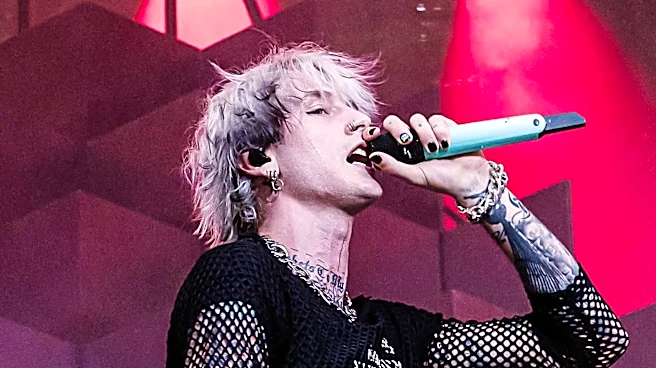
Machine Gun Kelly (MGK) has publicly declared his strong opposition to the use of artificial intelligence (AI) in his music, album covers, and merchandise. In a post on a platform formerly known as Twitter, a fan urged him to avoid AI, to which MGK responded
emphatically, stating, "Anyone ever brings that sh*t around me, they're fired." He further indicated that he had "cleaned house" in response to past speculation that his team might have used AI in some posts. MGK emphasized that AI would not be part of his "new era." This stance aligns with a lyric from his 2024 track "El Pistolero," where he asserted his raps could not be reenacted with AI. The artist is also expected to release a new album next year, which he has described as "a nuke."
Why It's Important?
MGK's firm stance against AI in his creative work highlights a growing debate within the music industry regarding the role and ethics of artificial intelligence. His public declaration could influence other artists and potentially set a precedent for how musicians approach AI integration in their creative processes. This position underscores a desire to maintain authenticity and human artistry in an era where AI-generated content is becoming increasingly prevalent. For fans, it reinforces MGK's commitment to traditional artistic methods, potentially strengthening his connection with an audience that values genuine human expression. The broader industry may see this as a signal for artists to clearly define their boundaries concerning AI, impacting future collaborations, production methods, and intellectual property discussions.
What's Next?
Following his strong declaration, it is expected that MGK will continue to actively monitor and enforce his no-AI policy within his creative team and projects. His upcoming album, anticipated next year, will likely be scrutinized by fans and critics alike for any signs of AI influence, further solidifying his commitment to human-made art. This public stance may also encourage other artists to voice their opinions on AI, potentially leading to more widespread discussions or even industry-wide guidelines regarding AI usage in music. As AI technology continues to advance, MGK's position could serve as a benchmark for artists who prioritize traditional creative methods over technological shortcuts, potentially shaping future trends in music production and artistic integrity.
Beyond the Headlines
MGK's rejection of AI touches upon deeper ethical and philosophical questions about the nature of art and creativity in the digital age. His insistence on human-only creation reflects a concern that AI could dilute the authenticity and emotional depth traditionally associated with artistic expression. This stance could spark broader conversations about intellectual property rights for artists in an AI-driven world, as well as the perceived value of human effort versus algorithmic generation. It also highlights a potential cultural divide between those who embrace technological advancements in art and those who view them as a threat to traditional craftsmanship. Ultimately, MGK's decision contributes to the ongoing dialogue about how technology should intersect with human creativity, raising questions about what truly constitutes 'art' in the 21st century.