





What's Happening?
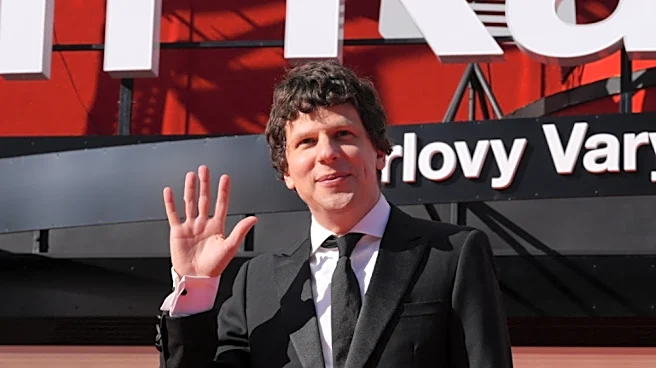
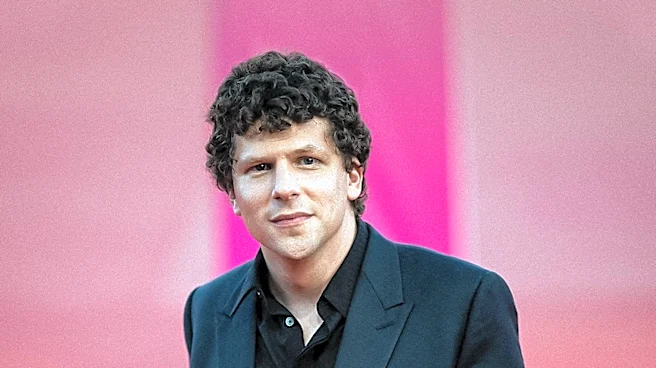
Actor Jesse Eisenberg has expressed his views on artificial intelligence in the film industry, particularly in relation to his upcoming A24 film, 'The Debut.' In a recent interview with Variety, Eisenberg described the film as 'the opposite of AI,' highlighting
concerns about the integration of AI technologies in creative processes. This comes in the context of A24's partnership with Google DeepMind, which has sparked discussions about the implications of AI in media. The collaboration has faced backlash, as reported by Wired, with critics focusing on issues of audience trust, artist identity, and the boundaries of AI's role in creative workflows. Eisenberg's comments underscore the need for clear guidelines on the use of AI, particularly regarding training data, authorship, and artistic control, to prevent public backlash and maintain the integrity of creative works.
Why It's Important?
The integration of AI in the creative industry is a contentious issue, as it raises questions about the preservation of artistic integrity and the potential for AI to alter traditional creative processes. Eisenberg's critique highlights the broader industry concern that AI could undermine the role of human creativity and authorship. This is particularly significant for stakeholders such as fans, unions, directors, and performers who are wary of AI's impact on the authenticity of creative works. The backlash against A24's partnership with Google DeepMind illustrates the reputational risks associated with AI collaborations in media. As AI becomes more prevalent, the industry must navigate these challenges by establishing transparent guidelines and governance to ensure that AI tools enhance rather than detract from the creative process.
What's Next?
As the debate over AI in the creative industry continues, stakeholders will likely push for more stringent regulations and guidelines to govern the use of AI technologies. This could involve defining the boundaries between AI assistance and generation, clarifying the ownership of training data, and ensuring that human approval remains a critical component of the creative process. Companies like A24 may need to engage more actively with artists and audiences to address concerns and build trust. The outcome of these discussions could shape the future of AI in media, influencing how studios and creators approach AI collaborations and the extent to which AI is integrated into creative workflows.
Beyond the Headlines
The ethical implications of AI in the creative industry extend beyond immediate concerns about authorship and control. There is a cultural dimension to consider, as the use of AI could shift the perception of creativity and the value placed on human artistry. Long-term, this could lead to a reevaluation of what constitutes art and who is considered an artist. Additionally, the legal landscape may evolve to address new challenges related to intellectual property and the rights of AI-generated content. As AI continues to advance, the industry will need to balance innovation with the preservation of cultural and artistic values.