







What's Happening?
Penske Logistics is actively recruiting full-time CDL Class A Flex Truck Drivers for regional travel positions. These roles involve multi-stop deliveries of parts and supplies to automotive dealerships, requiring drivers to unload trailers using manual
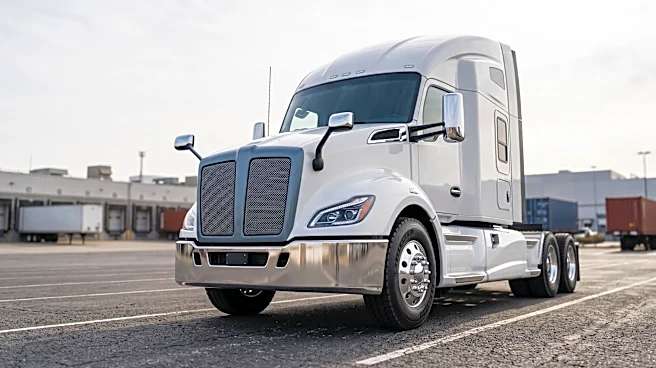
pallet jacks, hand trucks, and rolling cages, and to scan products upon delivery. Drivers will travel regionally, working at various locations as needed, with overnight travel during the week and typical home time on weekends. The company offers an average annual salary of $110,000, along with a comprehensive benefits package that includes paid vacation and holidays from day one, generous retirement benefits, excellent healthcare coverage (medical, dental, vision), short and long-term disability, and life insurance. Additionally, Penske provides company-provided uniforms, safety footwear, an employee discount program, a driver referral bonus program up to $5,000 per referral, and a safety incentive program. Drivers will operate late-model, Penske-maintained trucks equipped with best-in-class specifications for comfort and safety, including inward and outward-facing in-cab cameras.
Why It's Important?
This recruitment drive by Penske Logistics highlights a significant demand for skilled CDL Class A drivers within the U.S. logistics sector, particularly for regional automotive supply chains. The competitive compensation package, averaging $110,000 annually, and extensive benefits are crucial for attracting and retaining talent in an industry often facing driver shortages. The emphasis on safety through late-model trucks and in-cab cameras reflects a broader industry trend towards enhancing operational safety and compliance. For the automotive industry, a robust and reliable logistics network, supported by companies like Penske, is vital for ensuring the timely delivery of parts and maintaining efficient dealership operations. This directly impacts the availability of vehicles and services for consumers, underscoring the critical role of these drivers in the national economy. The benefits offered also contribute to the overall well-being and job security of the workforce, potentially setting a benchmark for other logistics providers.
What's Next?
Penske Logistics will continue its recruitment efforts to fill these Flex Truck Driver positions, aiming to strengthen its regional delivery capabilities for automotive dealerships. Successful applicants will undergo a background investigation, drug screening, and must meet specific qualifications, including a valid Class A CDL, a non-excepted interstate DOT medical card, and documented tractor-trailer experience. The company's focus on driver retention through attractive benefits and a positive work environment suggests ongoing investment in its human capital. As these positions are filled, it is expected that the efficiency and reliability of automotive parts distribution will be maintained or improved, supporting the broader automotive supply chain. The regional travel model indicates a strategic approach to optimizing logistics operations across various locations, adapting to fluctuating demands within the automotive sector.
Beyond the Headlines
The ongoing demand for CDL Class A drivers, as evidenced by Penske Logistics' recruitment, points to a persistent challenge in the U.S. transportation industry: the need for a stable and skilled workforce. The comprehensive benefits and high average salary offered by Penske reflect the increasing value placed on these essential workers, who are the backbone of supply chains. This trend could lead to broader discussions about labor policies, training programs, and incentives to attract more individuals to the trucking profession. Furthermore, the use of advanced truck technology, such as in-cab cameras, raises questions about driver privacy versus safety and accountability, a growing ethical consideration in the logistics sector. The regional travel requirement also highlights the evolving nature of logistics, where flexibility and adaptability are becoming key components of efficient supply chain management, impacting how goods move across the country.