

What's Happening?
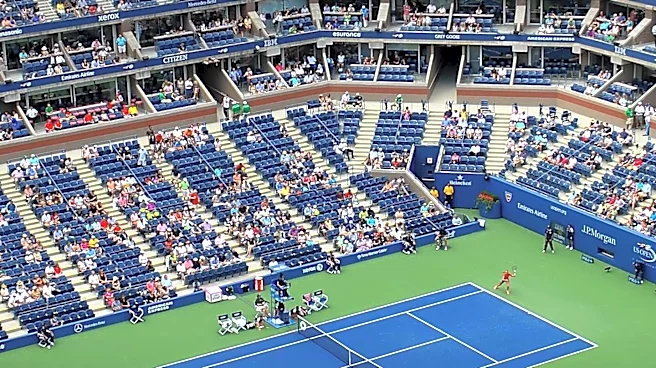
Bill Simmons, founder of The Ringer and a prominent sports media figure, has publicly stated his belief that men's tennis matches are excessively long and require rule modifications. During the U.S. Open, Simmons expressed his view that the sport has 'lost
the narrative' due to the routine four-and-a-half-hour duration of matches, particularly on the men's side. He argued that such extended periods of entertainment are no longer engaging for audiences. Simmons, who has a lifelong passion for tennis, suggested that changes, such as reducing the number of games needed to win a set from six to five, should be considered to make matches more concise. He drew a parallel to Major League Baseball's successful implementation of a pitch clock to shorten game times, which led to increased viewership. Simmons acknowledged that 'tennis purists' might resist such changes but maintained that the current match lengths are 'absurd' and detract from the entertainment value.
Why It's Important?
Simmons' comments highlight a growing concern within sports media and among some fans regarding the length of professional sporting events. In an era of increasingly fragmented attention spans and diverse entertainment options, sports leagues are under pressure to adapt their formats to retain and attract viewers. The comparison to MLB's successful rule changes underscores the potential for positive outcomes when sports address issues of game duration. If tennis were to adopt similar measures, it could lead to a more dynamic and accessible product, potentially boosting viewership and engagement, especially among younger demographics. Conversely, resistance from traditionalists and the inherent nature of tennis, which often features long rallies and extended sets, present significant challenges to implementing such changes without fundamentally altering the sport's character. The debate reflects a broader tension between preserving tradition and evolving to meet contemporary audience expectations in professional sports.
What's Next?
While Bill Simmons' remarks are influential within sports media, immediate rule changes in professional tennis are unlikely without broader consensus from governing bodies like the ATP and ITF. However, his comments could spark further discussion among tennis officials, players, and fans about the future format of the sport. The U.S. Open's late-night matches, which often extend past 1 a.m. E.T., provide a tangible example of the scheduling challenges posed by long matches, potentially prompting organizers to explore solutions. Future discussions might involve examining data on match lengths and viewership trends to determine if there is a quantifiable need for adjustments. Any proposed rule changes would likely undergo extensive testing and debate to ensure they enhance the sport without compromising its integrity or competitive balance. The ongoing dialogue could lead to experimental rule modifications in lower-tier tournaments or exhibition matches before any major changes are considered for Grand Slams.
Beyond the Headlines
The discussion around shortening tennis matches extends beyond mere entertainment value; it touches upon the physical demands placed on athletes and the overall commercial viability of the sport. Longer matches can lead to increased player fatigue and a higher risk of injury, impacting player longevity and the quality of competition. From a commercial perspective, shorter, more predictable match durations could make tennis more appealing to broadcasters and advertisers, potentially leading to more lucrative media deals and sponsorship opportunities. The challenge lies in finding a balance that respects the sport's rich history and strategic depth while making it more digestible for a modern audience. This debate is indicative of a larger trend across various sports, where tradition often clashes with the imperative to innovate and remain relevant in a rapidly changing media landscape. The outcome for tennis could set a precedent for how other sports address similar issues in the future.