






What's Happening?
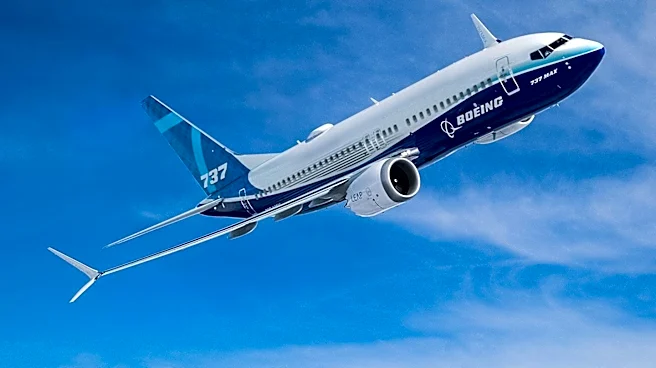
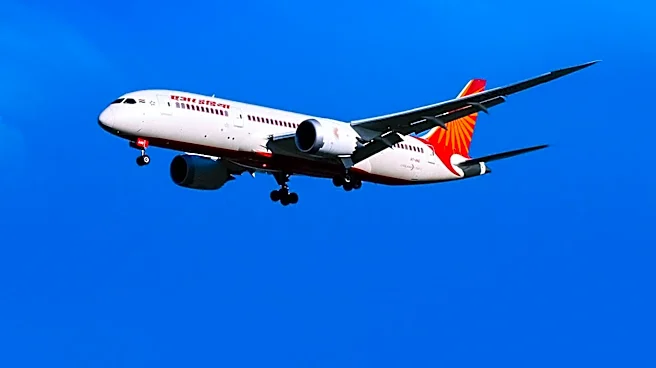
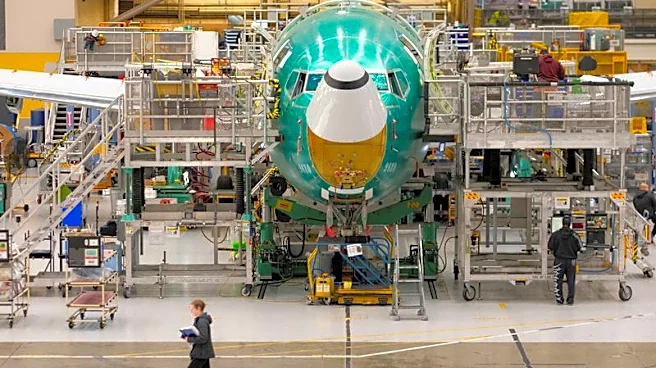
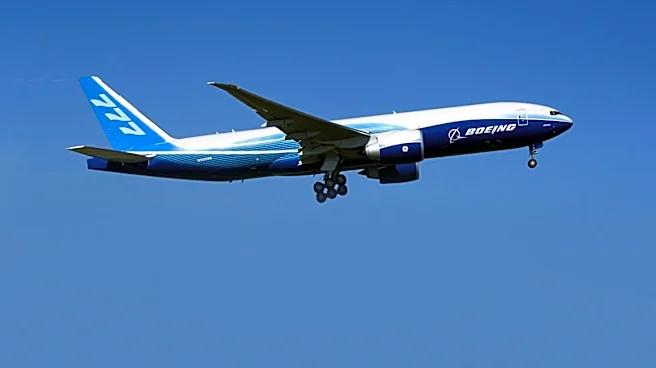
The Federal Aviation Administration (FAA) has reinstated Boeing's ability to self-certify its 737 Max and 787 aircraft, following a review of the company's safety checks. This decision comes after the FAA had taken full control over 737 Max approvals
in 2019 due to two fatal crashes linked to a software issue. In 2022, Boeing's self-certification rights for the 787 Dreamliner were also revoked due to production quality concerns. The FAA's decision to allow Boeing to resume self-certification is based on the agency's confidence in the company's safety processes, which have shown similar findings to those of government inspectors.
Why It's Important?
The restoration of Boeing's self-certification rights marks a significant step in the company's recovery from past safety and quality issues. This move could enhance Boeing's production efficiency and reduce delays in aircraft deliveries, potentially improving its financial performance. However, the decision also places a renewed emphasis on Boeing's responsibility to maintain rigorous safety standards. The FAA's oversight will continue, focusing on identifying and addressing potential defects early in the manufacturing process. This development is crucial for Boeing's reputation and its ability to regain trust from airlines and passengers.
What's Next?
Boeing is expected to continue working closely with the FAA to ensure compliance with all safety and airworthiness certification requirements. The company will likely focus on improving its manufacturing processes and addressing any remaining quality issues. The FAA will maintain its oversight role, monitoring Boeing's adherence to safety standards. The aviation industry will be watching closely to see how Boeing manages its self-certification responsibilities and whether this leads to a smoother production and delivery process for its aircraft.