





What's Happening?
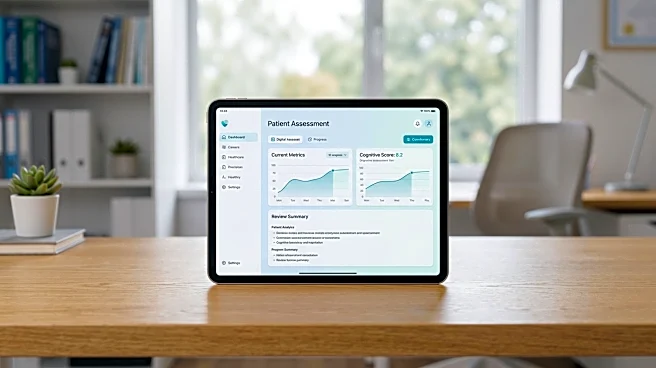
The BioAI: Biological Age app, available on the App Store, provides users with an estimated 'BioAge' and identifies their strongest lifestyle drivers across categories such as sleep, movement, nutrition, recovery, and risk exposure. By completing a short
lifestyle assessment, the app combines user answers to generate a transparent wellness-age estimate with a confidence range, ranked lifestyle drivers, and a focused first-week action plan. The app also offers weekly check-ins and estimate trends, along with a source-linked science library. It emphasizes that its estimates are based on self-reported lifestyle inputs and are intended as a wellness and educational tool, not a medical diagnosis.
Why It's Important?
The BioAI app represents a growing trend in personalized digital health, offering individuals a data-driven approach to understanding and improving their lifestyle. For the U.S. market, this type of application can empower consumers to take a more proactive role in their health and wellness, potentially leading to better preventive health outcomes. The focus on actionable first-week plans and identifying key lifestyle drivers can help users make tangible changes, which could have long-term benefits for public health. This also creates opportunities for health tech companies and developers to innovate further in the space of personalized wellness, potentially influencing insurance models that reward healthy behaviors and corporate wellness programs.
What's Next?
As the BioAI app gains traction, it could pave the way for more sophisticated personalized wellness tools that integrate with other health data sources, such as wearable devices. Future developments might include more advanced AI algorithms for predicting health risks based on lifestyle patterns and offering more dynamic, real-time coaching. The app's emphasis on a 'source-linked science library' suggests a commitment to evidence-based wellness, which could encourage greater trust and adoption. We may also see partnerships between such apps and healthcare providers or employers to offer these tools as part of broader health and wellness initiatives, further integrating digital solutions into mainstream health management.
Beyond the Headlines
The rise of apps like BioAI highlights the increasing consumer demand for personalized health insights and actionable advice. However, it also brings to the forefront discussions about the limitations of self-reported data and the importance of distinguishing between wellness tools and medical diagnostics. While these apps can be highly motivating, their effectiveness ultimately depends on user adherence and the scientific validity of their underlying algorithms. There's also a broader societal implication regarding data privacy and security, as users share sensitive lifestyle information. Ensuring that these tools are used responsibly and ethically, without creating undue anxiety or promoting unproven health claims, will be crucial for their long-term success and public acceptance.