








What's Happening?
Architects in the U.S. are increasingly adopting the Japanese technique of shou sugi ban, which involves charring wood to create a fire-resistant, insect-proof, and weatherproof facade. This method, which results in a deeply textured, ink-black finish,
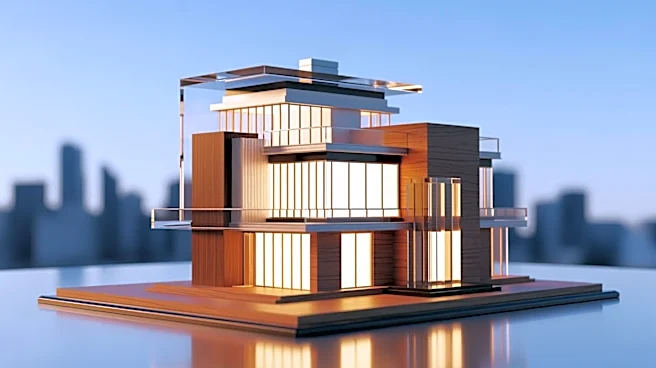
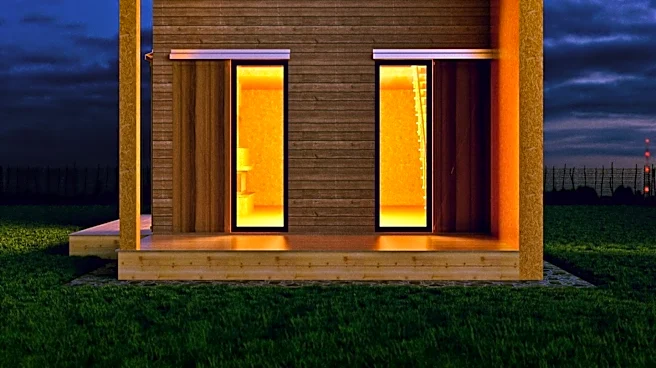
is gaining popularity in areas prone to inclement weather and fire hazards. The technique not only offers aesthetic appeal but also enhances the durability of homes. Several luxury properties across the U.S., from New York to Oregon, are showcasing this design, highlighting its growing acceptance in the real estate market.
Why It's Important?
The adoption of shou sugi ban reflects a shift towards sustainable and resilient building practices in the U.S. housing market. As climate change increases the frequency and severity of natural disasters, such as wildfires, the demand for fire-resistant construction materials is likely to grow. This trend could influence building codes and standards, encouraging more widespread use of sustainable materials. Homeowners and builders stand to benefit from reduced maintenance costs and increased property value, while communities may experience enhanced safety and resilience.