



What's Happening?
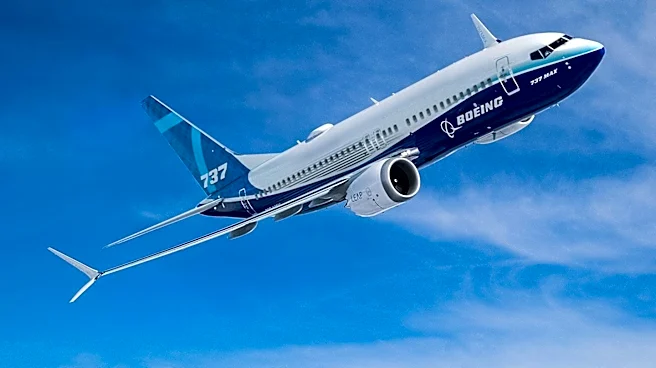
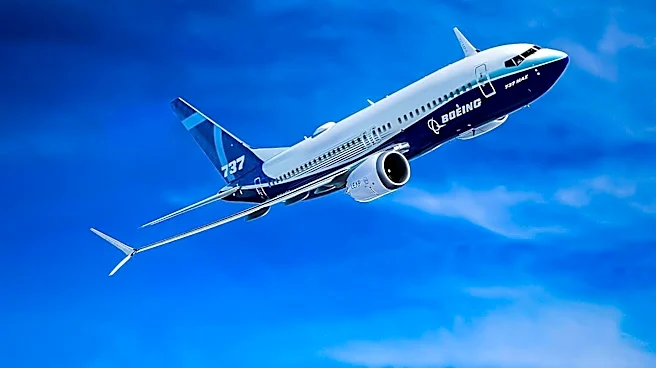
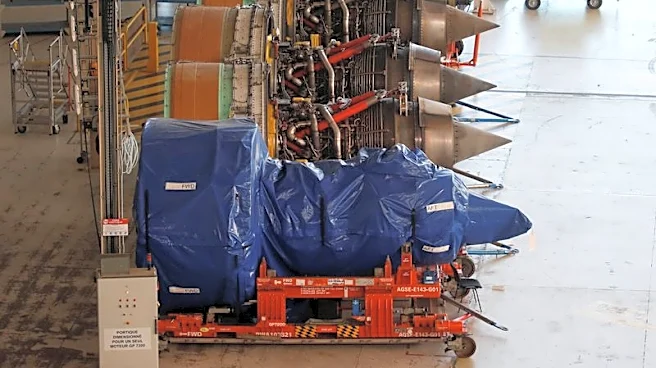
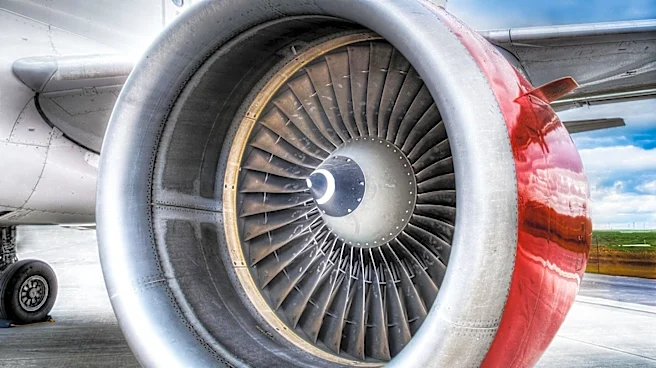
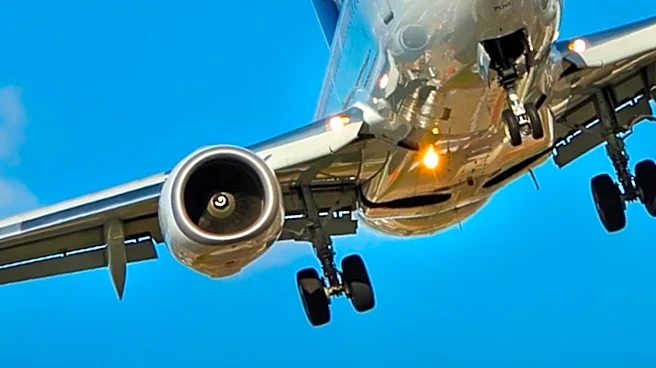
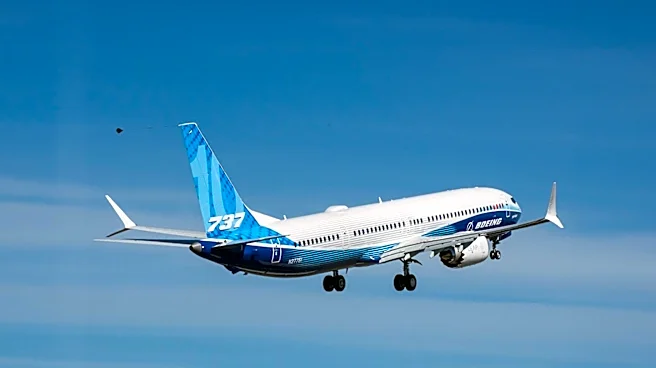
The Federal Aviation Administration (FAA) has approved a high-pressure turbine (HPT) and fuel nozzle durability kit for CFM International's Leap-1B engines, which power Boeing's 737 Max aircraft. This certification is part of CFM's efforts to address
durability issues that have led to premature overhauls of these engines. The improvements, which include new turbine blades, nozzles, and inner supports, are expected to double the time-on-wing in harsh environments such as the Middle East and India. CFM, a joint venture between GE Aerospace and Safran, has already implemented similar modifications for the Leap-1A engines used in Airbus A320neo-family jets. The company plans to begin delivering the updated Leap-1Bs in 2027, with full production ramp-up anticipated by early 2027.
Why It's Important?
The FAA's approval of the durability kit is significant for the aviation industry, particularly for operators of Boeing 737 Max aircraft. The enhancements are expected to reduce maintenance costs and improve operational efficiency by extending the time between major repairs. This development is crucial for airlines operating in regions with challenging environmental conditions, where engine wear and tear are more pronounced. Additionally, the approval reflects confidence in Boeing's quality and processes, potentially boosting the aircraft's marketability and reliability. The improvements could also enhance CFM's competitive position in the aviation engine market, as they address a critical pain point for airlines and aircraft manufacturers.
What's Next?
CFM is working with Boeing to secure aircraft-level certification for a new reverse bleed system (RBS) designed to improve fuel-nozzle longevity. The company aims to achieve this certification by the end of the year. As CFM ramps up production of the new parts, airlines can expect to see the benefits of the durability improvements in their fleets starting in 2027. The successful implementation of these upgrades could lead to further innovations in engine technology and maintenance practices, setting a new standard for durability in the aviation industry.