








What's Happening?
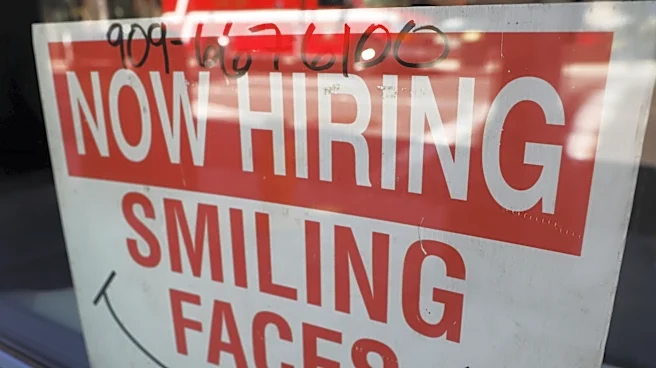
Trisha Daab, a freelance writer and career change consultant, recently applied for a job for the first time in 20 years, highlighting the significant changes in the job application process. After paying off her student loans, Daab decided to explore new
career opportunities, leading her to apply for a position as an advanced placement test proctor at a local high school. The application process, which now heavily relies on online submissions and updated resumes, was a stark contrast to her previous experiences. Daab had to update her resume, which had not been revised since 2014, and navigate new requirements such as electronic fingerprinting and detailed employment history verification.
Why It's Important?
Daab's experience underscores the evolving nature of the job market and the increasing reliance on digital tools and platforms in the hiring process. This shift has implications for job seekers, particularly those re-entering the workforce after a long hiatus. The need for updated resumes, familiarity with online application systems, and the ability to provide detailed employment histories are now critical components of the job search process. This evolution reflects broader trends in the labor market, where technology plays a central role in recruitment and hiring, affecting both employers and job seekers.
What's Next?
As the job market continues to evolve, job seekers may need to adapt by acquiring new skills and staying informed about the latest hiring practices. Employers, on the other hand, might need to consider how these changes impact their recruitment strategies and the accessibility of their application processes. The increasing use of technology in hiring could lead to further innovations, such as AI-driven recruitment tools, which may streamline the process but also raise concerns about privacy and data security.