






What's Happening?
The cellular agriculture market is currently fragmented, characterized by numerous early-stage startups and venture-backed innovators rather than large corporate entities. North America is identified as a leader in both consumer acceptance and startup density
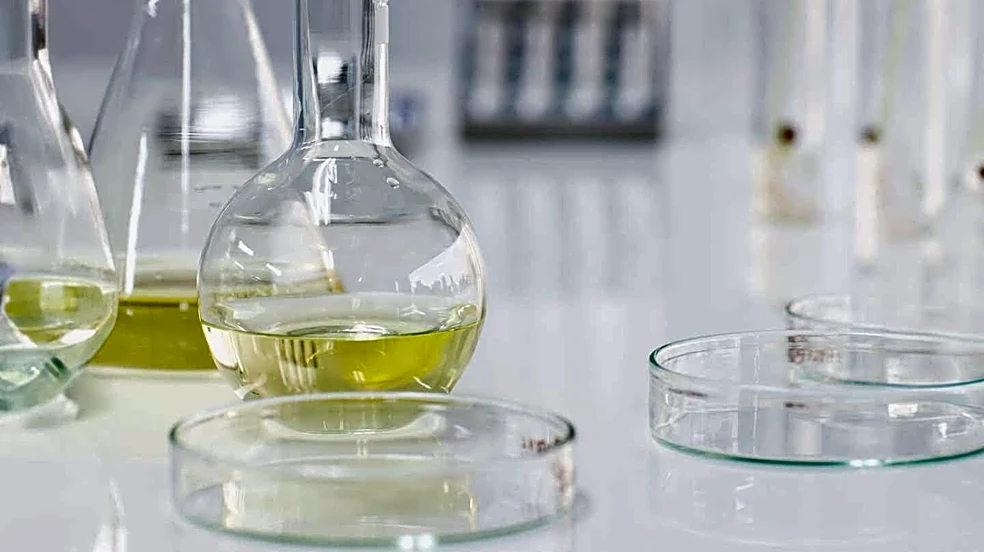
within this market, driven by significant venture capital funding and established regulatory pathways, such as the FDA’s pre-market consultations. Leading companies in cellular agriculture, including those focused on precision fermentation and cultivated meat, are making breakthroughs in stem cell biology, bioreactor scalability, and serum-free media optimization. These companies are establishing pilot facilities in key regulatory hubs globally to secure early regulatory clearances and streamline international distribution, aiming to build consumer trust and solidify their competitive advantage.
Why It's Important?
The U.S. plays a pivotal role in the global cellular agriculture market due to its leading position in consumer acceptance and startup activity. This indicates a strong potential for the development and commercialization of cultivated meat and precision fermentation products within the country. The availability of venture capital and clear regulatory pathways, like those provided by the FDA, are crucial for fostering innovation and growth in this nascent industry. The success of these companies in scaling production and gaining regulatory approval will directly impact the availability and affordability of alternative protein sources for U.S. consumers, potentially transforming the food industry and addressing concerns related to traditional meat production, such as environmental impact and animal welfare. This also positions the U.S. as a key hub for technological advancements in food science.
What's Next?
The cellular agriculture market is expected to continue its growth trajectory, with North American companies likely to lead in bringing new products to market. The focus will remain on achieving further breakthroughs in scalability and cost-effectiveness to make these products competitive with traditional animal-derived foods. Regulatory bodies, such as the FDA, will continue to play a critical role in establishing clear guidelines for product safety and labeling, which will be essential for consumer confidence and market penetration. Partnerships between cellular agriculture startups and established food conglomerates are anticipated to increase, facilitating wider distribution and market access. The industry will also need to address consumer education and acceptance to ensure long-term success and integration into the mainstream food supply.
Beyond the Headlines
The rise of cellular agriculture represents a significant paradigm shift in food production, moving towards more sustainable and ethical methods. This technology has the potential to reduce the environmental footprint of food systems, including land use, water consumption, and greenhouse gas emissions associated with traditional animal agriculture. Beyond environmental benefits, it also offers a solution to food security challenges by providing a more controlled and efficient way to produce protein. However, ethical considerations regarding the nature of cultivated products and public perception will be crucial. The industry's success will depend not only on technological advancements but also on its ability to navigate complex societal, ethical, and regulatory landscapes, ultimately redefining our relationship with food and its origins.