







What's Happening?
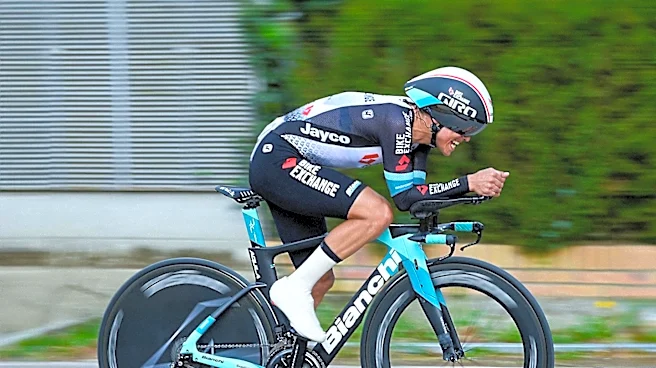
Italian bicycle brand Bianchi has entered Italy's negotiated crisis-resolution procedure (Composizione Negoziata della Crisi, or CNC) to seek protection from creditors and renegotiate its debts with banks and suppliers. The company filed for creditor protection on September
30, 2026, and the Court of Bergamo approved these protective measures on October 16. This initial four-month protection prevents creditors from seizing company assets, including factory equipment, bank accounts, and inventory, and may be extended. Eugenio Bissocoli has been appointed by the court as an independent expert to facilitate negotiations between Bianchi and its creditors, aiming to develop a debt-repayment plan. According to Bianchi's latest published full accounts for 2024, the company had liabilities of approximately €100 million, with €64.3 million owed to banks. Bianchi also reported cumulative losses of approximately €28 million between 2023 and 2025. Interim CEO Tony Grimaldi indicated that the company had over-invested in multiple areas simultaneously, including a new factory, electric bicycle models, and overseas distribution.
Why It's Important?
Bianchi's debt restructuring process highlights the financial pressures even established brands can face due to ambitious expansion and market shifts. For the U.S. market, this situation could impact the availability and pricing of Bianchi bicycles, a brand with a significant presence among cycling enthusiasts. Suppliers and retailers in the U.S. that carry Bianchi products may experience disruptions or changes in their business relationships. The outcome of these negotiations will determine Bianchi's ability to maintain its market position and continue its operations, which could influence competitive dynamics within the high-end bicycle segment. The case also serves as a broader indicator of the challenges faced by manufacturing companies investing heavily in new technologies like electric bicycles and expanding global operations, especially when these investments do not yield immediate returns. The success or failure of Bianchi's restructuring could set precedents for how other international brands manage similar financial difficulties.
What's Next?
Bianchi will proceed with negotiations with its creditors, facilitated by the independent expert Eugenio Bissocoli. The initial protective measures are for four months, with a possibility of extension. Under Italy's CNC procedure, companies typically have 180 days, extendable by another 180 days, to negotiate with creditors. Reports suggest Bianchi could have until May 2027 to finalize new repayment agreements. The outcome will dictate whether Bianchi can establish a sustainable financial restructuring plan and agree on revised repayment terms. This period will be critical for the company to demonstrate its viability and secure the necessary agreements to continue operations. Stakeholders, including banks, suppliers, and distributors, will closely monitor these negotiations, as their financial interests are directly tied to Bianchi's ability to recover and stabilize its financial position. The company's operational and financial reorganization within this protected framework will be key to its future.
Beyond the Headlines
The situation at Bianchi reflects broader economic trends affecting manufacturing and consumer goods industries, particularly those undergoing significant technological transitions like the shift to electric vehicles, including bicycles. The company's over-investment in multiple areas simultaneously, as noted by its interim CEO, underscores the risks associated with rapid diversification and expansion without adequate financial planning or market validation. This case could prompt other companies in similar sectors to re-evaluate their investment strategies and growth models. Furthermore, the use of Italy's negotiated crisis-resolution procedure highlights a legal framework designed to help companies avoid bankruptcy through structured negotiations, offering a potential model for other nations facing similar corporate distress. The long-term implications for Bianchi's brand image and consumer trust will also be a critical factor, as financial instability can deter customers and impact market perception.