





What's Happening?
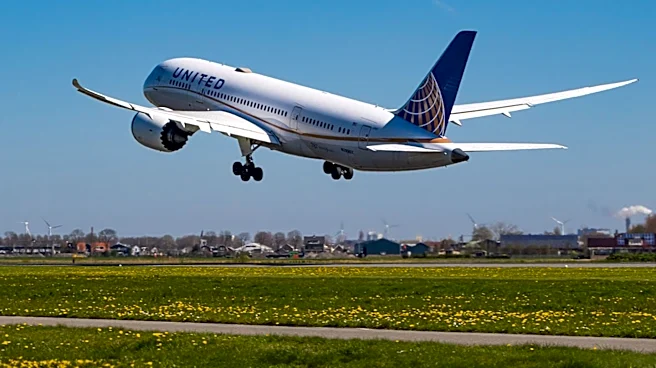
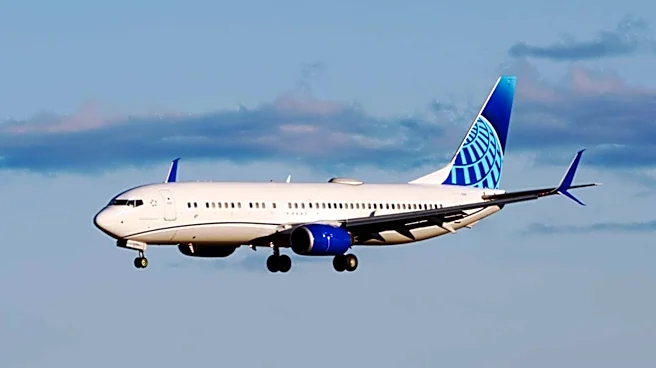
United Airlines CEO Scott Kirby asserts that United Airlines is the world's best airline, attributing its competitive edge to technology and an extensive route network. In an interview on October 27, 2026, Kirby acknowledged that while Asian and Middle
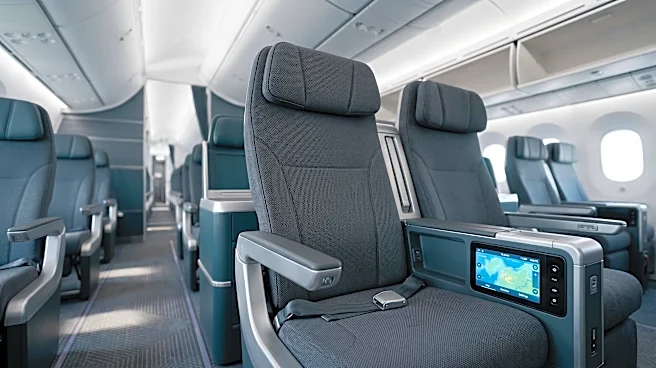
Eastern airlines often excel in seat comfort, food, and onboard service, United's technological advancements and comprehensive network provide a distinct advantage. He emphasized that flight schedules are the primary factor influencing passenger choice, followed by service, product quality, reliability, and technology for fostering long-term loyalty. Kirby cited United's use of weather radar images to explain flight delays as a prime example of technology improving passenger communication, noting a significant increase in passenger satisfaction (NPS) when radar images were provided during disruptions. United also utilizes generative AI to support customer service teams with flight updates and weather-related information.
Why It's Important?
Kirby's argument signifies a shift in airline competition, where digital services and operational communication are becoming as crucial as traditional cabin quality. This focus on technology and network efficiency can enhance passenger experience, particularly in managing disruptions and providing convenient travel options. For U.S. airlines, investing in technology like AI-assisted communication and robust mobile applications can differentiate them in a highly competitive global market. The emphasis on network strength also highlights the importance of connectivity for travelers, especially business passengers, who prioritize convenient non-stop flights and flexible schedules. This strategy could lead to increased customer loyalty and market share for airlines that effectively integrate technology and optimize their route networks, potentially influencing investment decisions across the aviation industry towards digital transformation and operational resilience.
Beyond the Headlines
The debate over what constitutes the 'best' airline extends beyond premium cabins to encompass the entire passenger journey, including economy class, operational reliability, and loyalty programs. While luxury features and attentive service are important, Kirby's perspective suggests that practical considerations like flight availability, efficient communication during disruptions, and digital tools are increasingly valued by a broader range of travelers. This indicates a potential long-term shift in consumer expectations, where seamless digital interaction and reliable operations could become more significant than opulent onboard amenities. Airlines that fail to adapt to these evolving preferences, particularly in leveraging technology for customer service and operational transparency, risk falling behind. The integration of AI and advanced communication tools could also raise questions about data privacy and the balance between automated and human interaction in customer service.