




What's Happening?
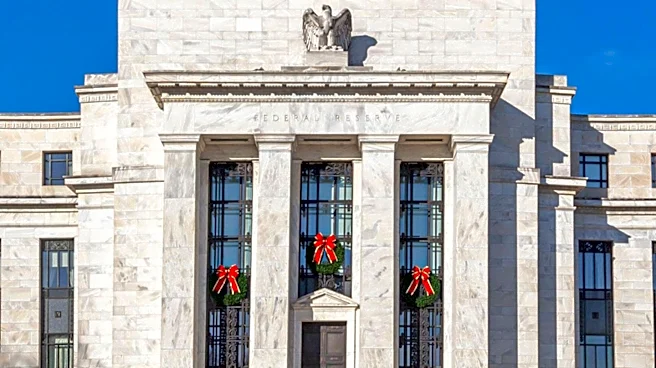
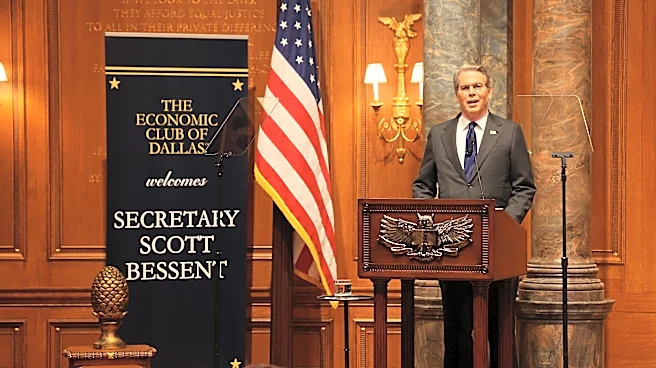
Treasury Secretary Scott Bessent has issued a caution to the Federal Reserve regarding the potential for overtightening monetary policy. This intervention comes as the Federal Reserve approaches its December policy decision, where a debate is ongoing
about the appropriate interest rate adjustment. While markets have largely anticipated a 25-basis-point rate increase, some hawkish policymakers, including Governor Christopher Waller, have suggested the possibility of a more substantial 50-basis-point hike. Bessent's comments challenge this more aggressive stance, though they have not fundamentally altered market expectations for the immediate decision. The discussion is set against a backdrop of recent market volatility, with U.S. stock futures showing a recovery after a broad sell-off. Investors are closely monitoring upcoming economic data, including GDP revisions and the Personal Consumption Expenditures (PCE) inflation report, which could influence the Fed's decision and market sentiment.
Why It's Important?
Secretary Bessent's public caution to the Federal Reserve is significant as it highlights a potential divergence in views between the Treasury and some Fed officials regarding the optimal path for monetary policy. This debate directly impacts U.S. industries and economic stakeholders. A more aggressive 50-basis-point rate hike, as suggested by Governor Waller, could lead to higher borrowing costs for businesses and consumers, potentially slowing economic growth and increasing the risk of a deeper equity correction. Conversely, a more measured 25-basis-point increase, or even a pause, could provide more stability to financial markets and support continued economic activity. Businesses reliant on borrowing for expansion or consumers with variable-rate loans stand to lose from higher rates, while those with significant cash reserves might see improved returns. The outcome of this debate will shape the economic environment, influencing investment decisions, consumer spending, and overall market confidence.
What's Next?
The immediate focus will be on the Federal Reserve's December policy decision, where the outcome of the interest rate debate will be revealed. Key economic data releases this week, including third-quarter GDP revisions and October's Personal Consumption Expenditures (PCE) inflation report, will be crucial in shaping the Fed's decision and market reactions. These reports will provide further insights into inflation trends and economic growth, potentially strengthening or weakening the arguments for more aggressive tightening. Additionally, the Federal Reserve's Beige Book will offer qualitative insights into economic conditions across various districts. Corporate earnings reports from companies like Dell and Hewlett Packard Enterprise will also provide a snapshot of enterprise technology spending. The shortened U.S. trading week due to Thanksgiving and Black Friday will bring attention to consumer spending patterns, offering another indicator of economic health.
Beyond the Headlines
The public intervention by Treasury Secretary Bessent underscores the delicate balance between fiscal and monetary policy in managing the U.S. economy. While the Federal Reserve operates independently, comments from the Treasury Secretary can signal the administration's economic priorities and concerns. This dynamic can influence market psychology and potentially put pressure on the Fed to consider broader economic implications beyond its inflation and employment mandates. The debate also highlights the ongoing challenge of navigating inflation in a post-pandemic environment, where supply chain issues, energy prices, and consumer demand all play a role. The long-term implications could include a re-evaluation of the communication strategies between the Treasury and the Federal Reserve, and how such public statements are perceived by financial markets and the public. The interplay between these institutions is critical for maintaining economic stability and investor confidence.