
What's Happening?
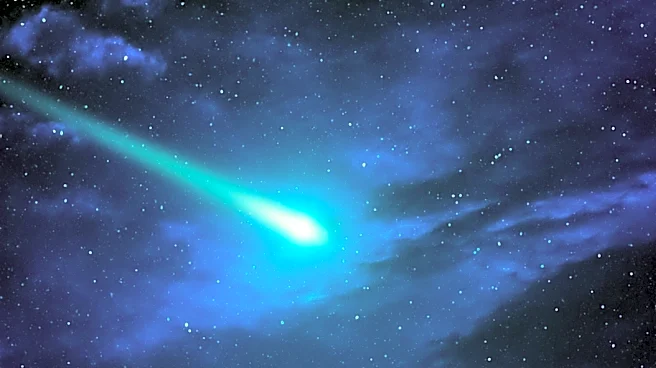
The annual Perseid meteor shower, a highly anticipated celestial event, is set to peak on the night of August 12 through the early morning of August 13, 2026. This year, the event coincides with a new moon, providing optimal dark sky conditions for viewing.
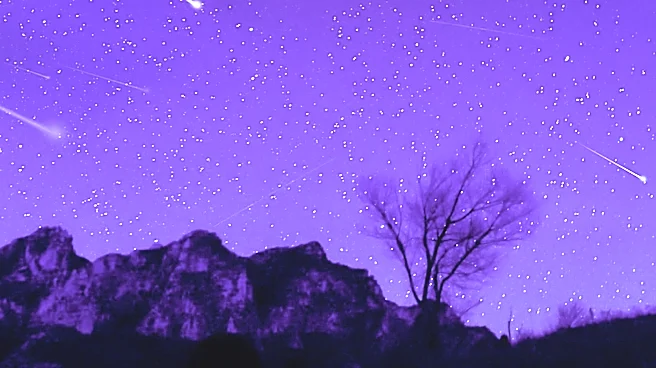
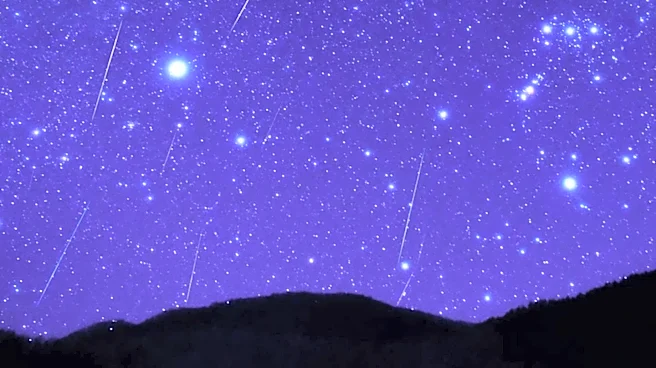
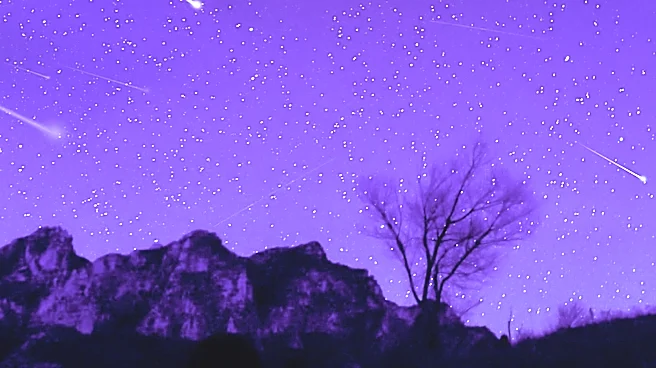
During the peak, observers can expect to see between 50 to 100 meteors per hour. These meteors are tiny fragments of comet dust entering Earth's atmosphere at high speeds, creating bright streaks across the sky. The Perseid meteor shower is renowned for its vibrant displays, including occasional fireballs that outshine the stars. Ideal viewing locations in the U.S. include Bryce Canyon National Park in Utah, Big Bend National Park in Texas, and Cherry Springs State Park in Pennsylvania, where light pollution is minimal.
Why It's Important?
The Perseid meteor shower is a significant event for both amateur and professional astronomers, as well as for the general public who enjoy stargazing. The alignment with the new moon this year enhances visibility, making it a prime opportunity for educational and recreational activities related to astronomy. This event also boosts local tourism in areas known for dark skies, as visitors flock to national parks and other remote locations to witness the spectacle. The meteor shower serves as a reminder of the natural wonders accessible to those willing to venture away from urban light pollution.
What's Next?
As the peak of the Perseid meteor shower approaches, interest in astronomy and stargazing is likely to increase. This could lead to more public events and educational programs focused on celestial phenomena. Additionally, the success of this year's viewing conditions may encourage more people to advocate for dark sky preservation, highlighting the importance of reducing light pollution. Communities near popular viewing sites might see a temporary economic boost from increased tourism, prompting local businesses to cater to the influx of visitors.
Beyond the Headlines
The Perseid meteor shower not only provides a visual spectacle but also offers a chance to reflect on broader environmental issues. The need to preserve dark skies is increasingly recognized as essential for both ecological balance and human health. Light pollution disrupts wildlife and affects human circadian rhythms, making events like the Perseids a platform for raising awareness about sustainable lighting practices. Furthermore, the meteor shower can inspire interest in science and technology, encouraging educational pursuits in these fields.