








What's Happening?
Chinese-linked megastores, such as Panda Mart and China Square, are rapidly expanding across Nairobi, Kenya, significantly reshaping the local retail market. These stores, whether Chinese-owned or operating with direct supply chains from Chinese manufacturing
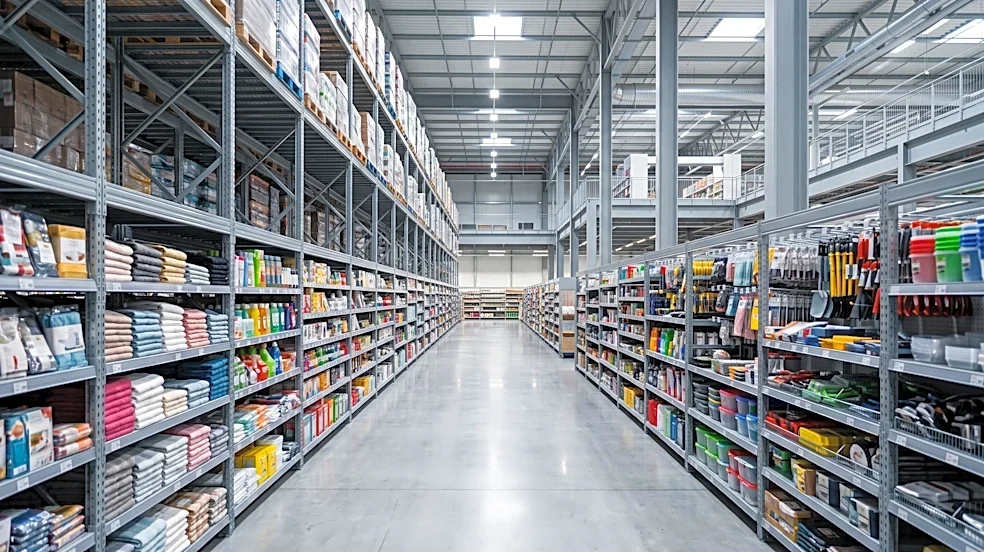
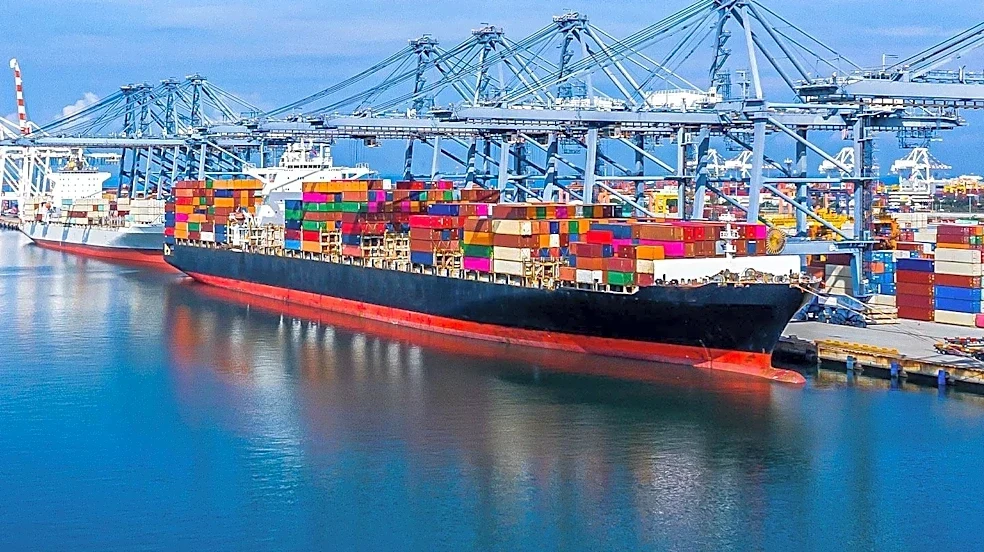
hubs like Yiwu and Foshan, are able to offer consumer goods at prices that significantly undercut traditional supermarkets and local traders. This is achieved by bypassing multiple layers of distributors and importing directly in bulk. The phenomenon has led to these megastores filling large retail spaces left vacant by the departure of international chains like South Africa's Game and Shoprite, becoming anchor tenants in malls and attracting thousands of shoppers daily. For many Nairobi residents, these stores provide an affordable and convenient one-stop shopping experience, often described as an 'organized Kamukunji' (referring to Nairobi's famous open-air wholesale market) due to their wide selection and low prices. The growth of these stores also creates employment opportunities for young Kenyans in customer service, security, and inventory roles.
Why It's Important?
The rise of these Chinese-linked megastores has profound implications for Nairobi's economy and retail sector. For consumers, especially those facing inflation and a rising cost of living, these stores offer a crucial lifeline by providing access to affordable household goods, electronics, and furnishings. This shift in consumer behavior is altering traditional shopping habits and making Chinese-made products a default for many Kenyan households and businesses, including Airbnb hosts. However, the direct import model poses a significant challenge to local traders and small businesses, particularly those in established shopping districts, who struggle to compete with the megastores' lower prices. This competitive pressure forces local merchants to adapt by pooling resources for direct imports, specializing in niche goods, or leveraging personal customer relationships and digital platforms like TikTok and WhatsApp. The situation highlights a broader economic dynamic where global supply chains directly impact local markets, creating both opportunities for consumers and intense competition for existing businesses.
What's Next?
The long-term integration of these Chinese-linked megastores into Nairobi's economy will largely depend on ongoing negotiations between local government, adapting merchants, and price-conscious consumers. Government policies, including import duties set by the Kenya Revenue Authority and zoning regulations from local municipalities, will play a crucial role in shaping the market landscape and determining the ease with which foreign retailers can enter and expand. Public debate surrounding foreign involvement in small-scale retail suggests that regulatory frameworks will be key to balancing the benefits of affordable goods with the need to support local businesses. Local traders are expected to continue innovating their business models, focusing on specialized products, enhanced customer service, and digital engagement to maintain their market share. The continued growth of these megastores could further solidify Nairobi's position as a hub for affordable consumer goods, potentially influencing retail trends across East Africa.
Beyond the Headlines
Beyond the immediate economic impact, the proliferation of Chinese-linked megastores in Nairobi touches upon deeper cultural and ethical considerations. The phenomenon reflects a broader global trend of increasing economic ties between China and African nations, with Chinese manufacturing directly influencing consumer markets. While these stores offer undeniable benefits in terms of affordability and accessibility, they also raise questions about product quality, labor practices in the supply chain, and the potential erosion of local manufacturing and retail diversity. The reliance on translation apps by shoppers to understand product labels from Chinese factories highlights a cultural interface and the challenges of integrating foreign goods into a local context. Furthermore, the transformation of commercial real estate, with these megastores filling spaces previously occupied by international brands, signifies a shift in global retail power dynamics and the evolving nature of urban commercial centers in Africa.