





What's Happening?
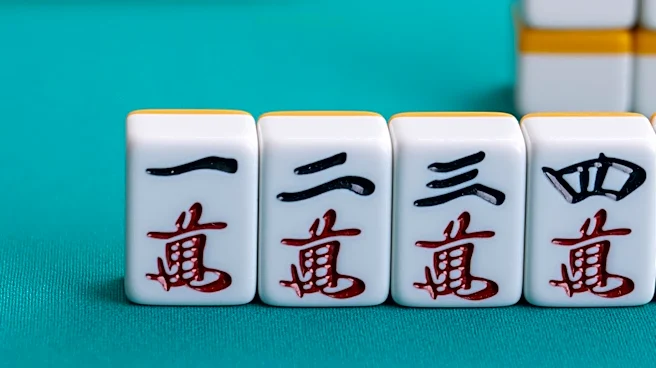
The 200-year-old tile game of Mahjong is experiencing a significant surge in popularity across the U.S., transforming into a $2.6 billion global industry. Yelp reported a 4,000% increase in searches for Mahjong-related gear and meetups from 2024 to 2025,
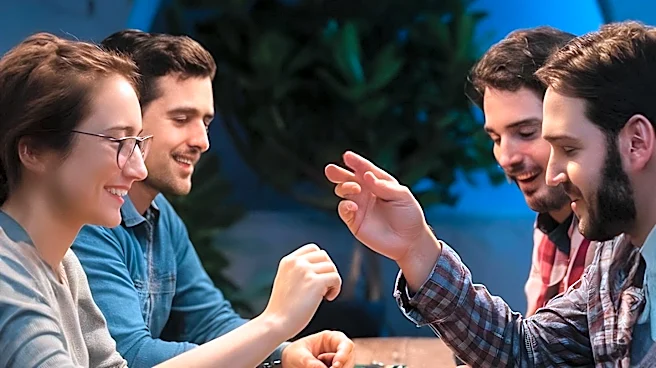
reaching an all-time high in August 2026. While traditionally popular among women over 55, the game is now attracting younger generations and men, with internet searches for lessons up 819% last year. Social media platforms like Instagram are playing a crucial role, with Mahjong influencers gaining hundreds of thousands of followers through content ranging from gameplay strategy to 'unboxing' videos of elaborate tile sets. Local communities, such as Charlottesville, Virginia, have seen a proliferation of Mahjong clubs, lessons, and events, moving beyond traditional senior centers to cafes, restaurants, and wineries. The game's appeal is attributed to its blend of luck and skill, tactile nature, and the strong community bonds it fosters.
Why It's Important?
This resurgence of Mahjong highlights a broader cultural trend in the U.S. towards analog social activities and community building in an increasingly digital world. The game's ability to bridge generational gaps and create strong social networks offers a counter-narrative to the isolation often associated with modern life. Economically, the growth has spurred a new niche market for Mahjong-related products, including designer tile sets, branded merchandise, and instructional materials, benefiting small businesses and entrepreneurs. The involvement of social media influencers demonstrates the power of digital platforms to revitalize traditional pastimes, creating new avenues for engagement and commercialization. Furthermore, the game's adoption by younger demographics suggests a potential long-term shift in leisure activities, emphasizing face-to-face interaction and strategic thinking over purely digital entertainment. This trend could also influence how community centers and social clubs design their programs to attract diverse age groups.
What's Next?
The continued growth of Mahjong's popularity is likely to lead to further expansion of clubs, tournaments, and online communities across the U.S. We can anticipate more businesses, such as cafes and wineries, hosting Mahjong events to attract customers and foster local engagement. The market for Mahjong accessories and merchandise is expected to grow, with more designers and brands entering the space to cater to diverse aesthetic preferences. Educational resources, including online tutorials and in-person lessons, will likely become more widespread to accommodate new players. Social media will continue to be a key driver, with influencers further professionalizing their content and potentially attracting brand partnerships. The National Mah Jongg League may see increased membership and influence as the game gains broader appeal, potentially leading to more standardized rules or competitive circuits. The trend also suggests a potential for other traditional board or tile games to experience similar revivals.
Beyond the Headlines
The Mahjong phenomenon reflects a deeper societal yearning for connection and tangible experiences. In an era dominated by screens, the tactile nature of Mahjong tiles and the face-to-face interaction it necessitates offer a refreshing alternative. The game's complexity and evolving rule sets (like the annual card changes in American Mahjong) also provide a continuous learning curve, appealing to individuals seeking mental stimulation and mastery. Culturally, the game's ability to foster intergenerational friendships and create inclusive communities speaks to a desire for belonging and shared purpose. The charitable initiatives organized around Mahjong, such as 'Mahj for Meals,' underscore its potential as a vehicle for social good, transforming a leisure activity into a platform for community support. This resurgence is not just about a game; it's about the human need for connection, intellectual engagement, and meaningful social interaction in a rapidly changing world.