
What's Happening?
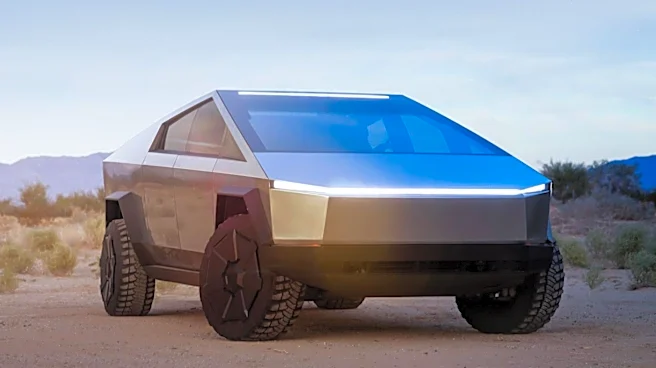
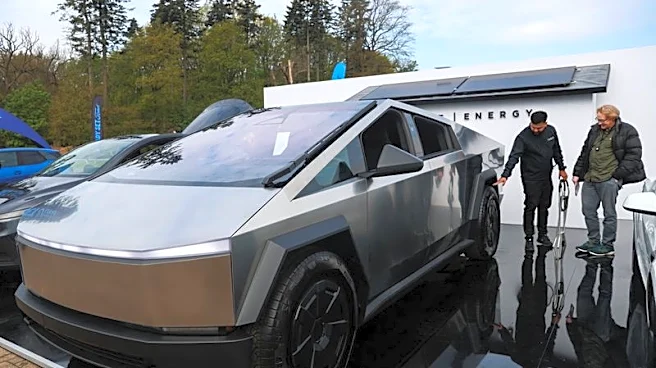
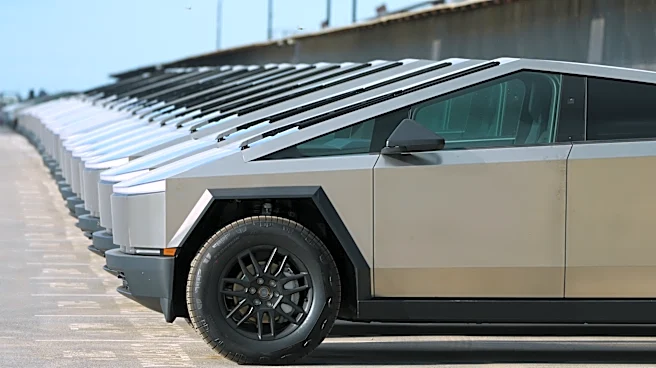
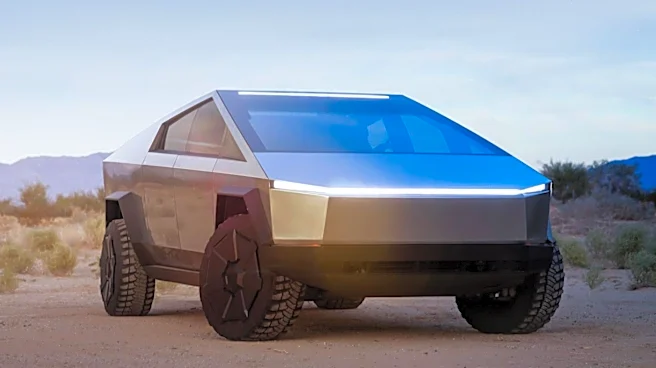
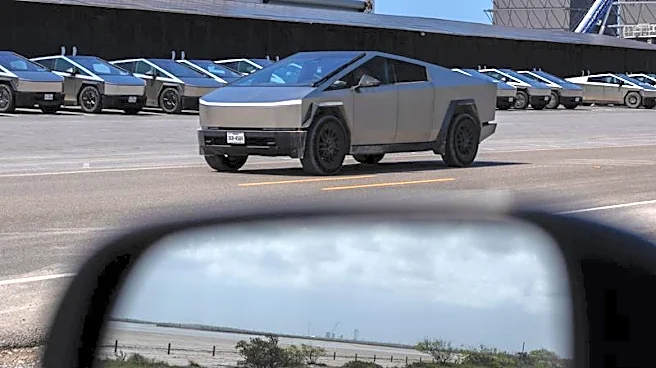
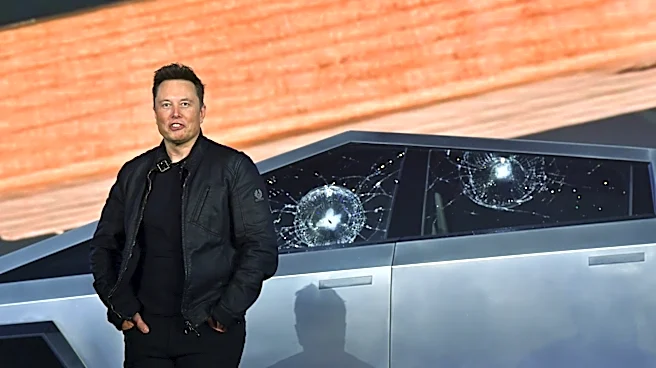
Tesla is reportedly winding down Cybertruck production in mid-2027, leading to speculation about the company's future vehicle development, particularly concerning a purpose-built vehicle for large families.
Prominent Tesla commentator Whole Mars Catalog highlighted an unmet customer need for a larger Tesla model. While the Model X seats up to seven, its flagship price is a barrier, and the Model Y L, a long-wheelbase six-seat variant, doesn't fully address the demand for a dedicated family hauler. The sentiment among a segment of Tesla's customer base indicates a desire for minivan-style utility, genuine three-row legroom, and a lower step-in height. Tesla's Board Chair Robyn Denholm confirmed earlier this year that multiple new vehicle models are planned for 2026, with the Cybercab and Robovan being publicly discussed, though neither is a conventional family vehicle.
Why It's Important?
The decision to wind down Cybertruck production and the ongoing discussion about a family-oriented vehicle signal a potential strategic shift for Tesla. By freeing up Gigafactory capacity and engineering resources, Tesla could be positioning itself to address a significant market gap that legacy automakers are still struggling to electrify effectively. A three-row electric vehicle with ample interior space, priced between the Model Y and Model X, could capture a substantial new customer segment and drive future volume growth. This move would demonstrate Tesla's responsiveness to customer feedback and its commitment to expanding its market reach beyond its current offerings. The success of such a vehicle could further solidify Tesla's leadership in the EV market and influence the broader automotive industry's approach to family-friendly electric transport.
What's Next?
The open question remains whether Tesla will develop a purpose-designed family vehicle or continue to adapt existing platforms. The accelerated product cadence, including the refreshed Model Y (Juniper), the Model Y L, and an upcoming affordable model, suggests that Tesla is actively expanding its lineup. The surfacing of the family vehicle conversation as Cybertruck production winds down is seen as a significant signal. Future announcements from Tesla regarding its 2026 vehicle plans, particularly concerning models beyond the Cybercab and Robovan, will be crucial in understanding how the company intends to address this identified market opportunity. The industry will be watching to see if Tesla introduces a model that directly competes with traditional minivans or large SUVs in the electric segment.
Beyond the Headlines
The ongoing debate about Tesla's vehicle lineup and the demand for a family-friendly EV highlights a broader challenge in the electric vehicle transition: meeting diverse consumer needs. While Tesla has excelled in performance and technology, the lack of a dedicated large family vehicle points to a segment where traditional automakers still hold sway. This situation underscores the importance of market segmentation and product diversification for EV manufacturers to achieve mass adoption. The 'Robovan' concept, with its autonomous-first design, also hints at a future where vehicle utility is redefined by self-driving capabilities, potentially blurring the lines between personal transport and public mobility services. This evolution could lead to new business models and a re-evaluation of what constitutes a 'family vehicle' in an autonomous future.