








What's Happening?
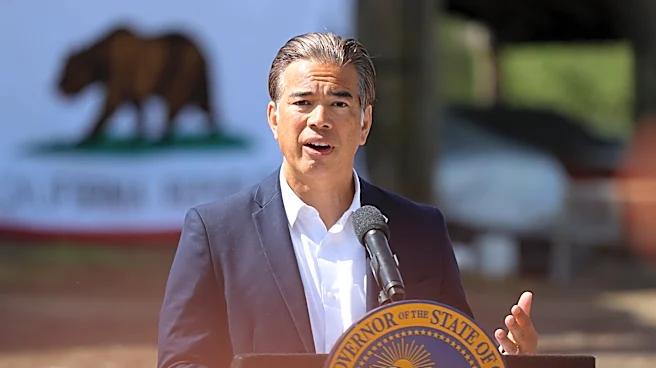
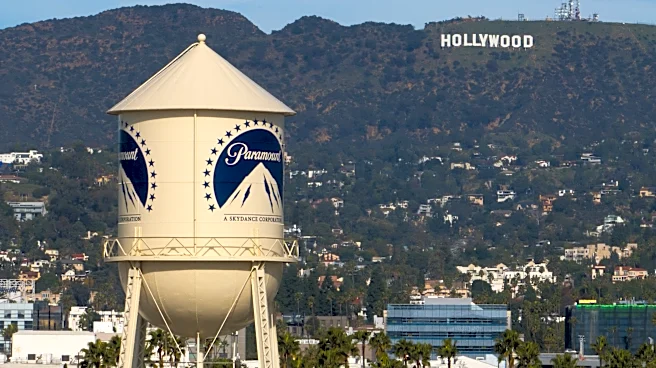
A coalition of twelve Democratic-led states, led by California Attorney General Rob Bonta, has filed a lawsuit to block the $110 billion merger between Paramount and Warner Bros. Discovery. The lawsuit, filed in the U.S. District Court for the Northern
District of California, argues that the merger violates the Clayton Act by potentially reducing competition and creating a monopoly in the media industry. Despite receiving federal approval from the U.S. Department of Justice, the states contend that the merger would lead to higher prices and reduced content diversity, particularly affecting small, independent movie theaters. The states are also seeking a temporary restraining order to halt the merger while the lawsuit is ongoing.
Why It's Important?
The lawsuit highlights significant concerns about media consolidation and its impact on competition and consumer choice. If the merger proceeds, it could result in fewer competitors in the industry, leading to higher costs for consumers and less diversity in content. This could particularly affect small theaters and independent content creators who rely on a competitive market to thrive. The case underscores the role of state governments in enforcing antitrust laws and protecting local interests, even when federal authorities have approved a merger. The outcome of this lawsuit could set a precedent for future media mergers and the enforcement of antitrust regulations.
What's Next?
The legal proceedings will determine whether the merger can proceed as planned. If the court grants the temporary restraining order, it could delay the merger and provide the states with more time to argue their case. The lawsuit may also prompt further scrutiny of media mergers and acquisitions, potentially influencing future regulatory decisions. Stakeholders, including media companies, theaters, and consumers, will be closely watching the case's developments, as its outcome could have far-reaching implications for the media landscape.