






What's Happening?
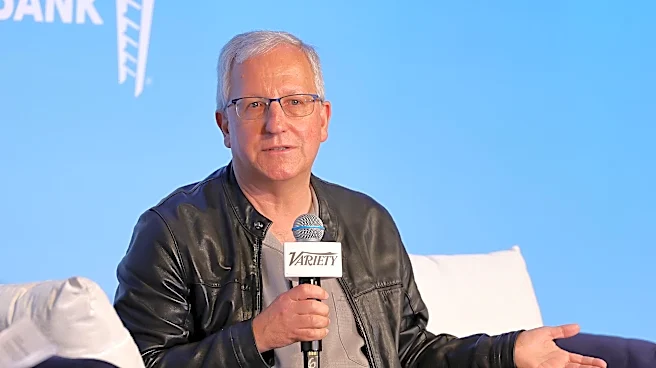
Edible Garden AG Incorporated's CEO, Jim Kras, is scheduled to participate in the 2026 CEAg World Conference & Expo in Charlotte-Concord, North Carolina, from November 10-11, 2026. Mr. Kras will lead a session titled 'Diversification Beyond Core CEA'
on November 10. During this session, he plans to elaborate on how Edible Garden is leveraging its expertise, proprietary technologies, and retail partnerships to expand into new markets, including value-added foods, clean-label nutrition, and ready-to-drink beverages. The discussion will also cover the role of strategic partnerships in fostering product innovation, broadening sourcing capabilities, and creating growth opportunities beyond traditional greenhouse operations. Edible Garden, a leader in controlled environment agriculture (CEA), is known for its organic and sustainable produce, operating under a Zero-Waste Inspired® farming model. The company's facilities include Edible Garden Heartland in Grand Rapids, Michigan, Edible Garden Prairie Hills in Webster City, Iowa, and its headquarters in Belvidere, New Jersey. Edible Garden also utilizes patented GreenThumb 2.0 software for optimizing growing conditions and patented Self-Watering displays to extend plant shelf life.
Why It's Important?
This strategic diversification by Edible Garden is significant for the U.S. agricultural and food industries. By expanding beyond its core CEA operations into value-added products and shelf-stable nutrition, Edible Garden aims to tap into higher-margin categories, potentially increasing its revenue streams and market footprint. The emphasis on clean-label foods and sustainable practices aligns with growing consumer demand for healthier and environmentally conscious options, which could influence broader market trends. The company's partnerships, such as those with Square Roots for crop innovation and Caney Fork Farms for regenerative agriculture, demonstrate a model for integrating diverse agricultural approaches. This could set a precedent for other companies seeking to combine advanced CEA with traditional and regenerative farming methods to enhance supply chain resilience and product variety. The focus on proprietary technologies like GreenThumb 2.0 and Self-Watering displays also highlights the increasing role of innovation in modern agriculture, aiming to reduce food miles and improve product quality and shelf life for U.S. consumers.
What's Next?
Following the CEAg World Conference & Expo, Edible Garden is expected to continue implementing its 'Farm-to-Formula®' strategy, which connects its agricultural expertise with opportunities in clean-label foods, nutrition, and ready-to-drink beverages. The company is actively expanding its Prairie Hills facility in Webster City, Iowa, to serve as a dedicated manufacturing hub for clean nutrition ready-to-drink products. This expansion is a key component of its strategy to transform into higher-margin, shelf-stable nutrition categories. The insights shared by CEO Jim Kras at the conference regarding strategic partnerships and product innovation will likely guide future collaborations and product development initiatives. The company's ongoing efforts to integrate complementary expertise, such as through its partnerships with Square Roots and Caney Fork Farms, suggest a continued focus on broadening its offering and building a more diversified revenue base across fresh produce and shelf-stable nutrition.
Beyond the Headlines
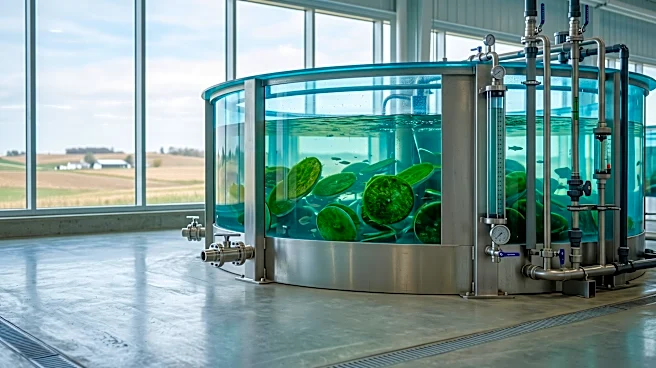
Edible Garden's strategy reflects a broader shift in the U.S. food system towards integrating technology, sustainability, and diversified product offerings. The company's Zero-Waste Inspired® mission and Farm-to-Formula® platform address critical environmental and consumer health concerns, such as reducing food waste and providing transparently sourced products. The use of patented software and display technologies underscores the increasing reliance on innovation to optimize agricultural processes and enhance consumer experience. Furthermore, the move into advanced aquaculture technologies, as evidenced by its patents in closed-loop shrimp farming and automated water treatment, indicates a long-term vision for sustainable food production beyond traditional horticulture. This holistic approach to food systems, combining CEA, regenerative agriculture, and advanced processing, could contribute to a more resilient and sustainable food supply chain in the U.S., potentially influencing policy discussions around food security and environmental stewardship.