







What's Happening?
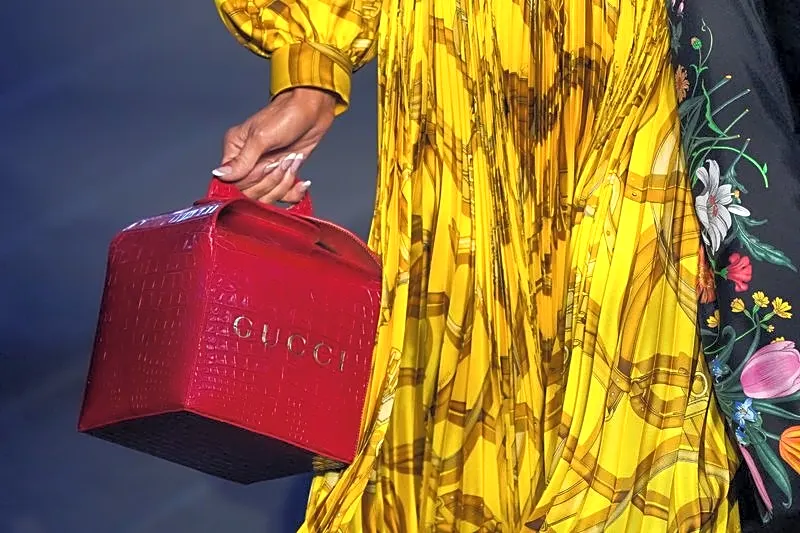
Luxury fashion houses are increasingly employing technology and specialized databases to combat the resale of stolen goods, a growing concern amidst recent unrest and looting in various regions. The issue of product authenticity and legitimate ownership
has become paramount as stolen designer items, including handbags, skincare products, and lip glosses, appear on resale sites shortly after incidents of looting. While brands cannot always recover every stolen item, they are implementing strategies to devalue these goods and make them harder to resell. These methods include integrating digital identification technologies like RFID and NFC tags into products, utilizing serial numbers in conjunction with stolen-item databases, and leveraging official boutiques for authentication checks. Richemont, a luxury group, has launched Enquirus, a digital platform for registering and reporting lost or stolen watches and jewelry, enabling easier identification by law enforcement, insurers, and secondhand dealers. The effectiveness of these measures depends on widespread adoption and cooperation across the industry and with resale platforms.
Why It's Important?
The proliferation of stolen luxury goods on secondary markets poses significant challenges to the integrity and value of high-end brands. This trend not only results in substantial financial losses for fashion houses but also erodes consumer trust in the authenticity and provenance of luxury items. By making stolen goods more difficult to resell, brands aim to deter theft and protect their intellectual property and brand image. The implementation of advanced tracking and identification technologies signifies a shift in how the luxury industry addresses security and counterfeiting, moving towards more proactive and integrated solutions. The success of these initiatives could set new standards for product security across various industries dealing with high-value merchandise, impacting how consumers perceive and interact with luxury goods in both primary and secondary markets.
What's Next?
Luxury fashion houses are expected to continue investing in and developing more sophisticated technologies for product identification and tracking. This may include wider adoption of blockchain for digital ownership certificates and enhanced collaboration with law enforcement agencies and online resale platforms to quickly identify and remove stolen items. The industry may also push for standardized global databases for stolen luxury goods to improve cross-border tracking and recovery efforts. Consumers might see increased requirements for proof of purchase or digital ownership verification when buying or selling luxury items, particularly in the secondary market. The ongoing efforts will likely lead to a more robust ecosystem for authenticating luxury goods, making it increasingly difficult for stolen merchandise to re-enter the legitimate market and potentially influencing consumer behavior towards verified resale channels.
Beyond the Headlines
The battle against stolen luxury goods extends beyond immediate financial losses, touching upon broader ethical and legal dimensions of consumerism and intellectual property. The rise of sophisticated theft operations highlights the need for a multi-faceted approach that combines technological innovation with legal frameworks and consumer awareness. The challenge also underscores the responsibility of resale platforms to implement stringent vetting processes to prevent the unwitting or deliberate sale of stolen items. This situation could lead to a re-evaluation of consumer rights and responsibilities in the secondary market, particularly regarding due diligence when purchasing high-value items. Ultimately, the efforts by luxury brands to combat theft and resale contribute to a larger conversation about sustainability, ethical sourcing, and the future of luxury consumption in a digitally interconnected world.