


What's Happening?
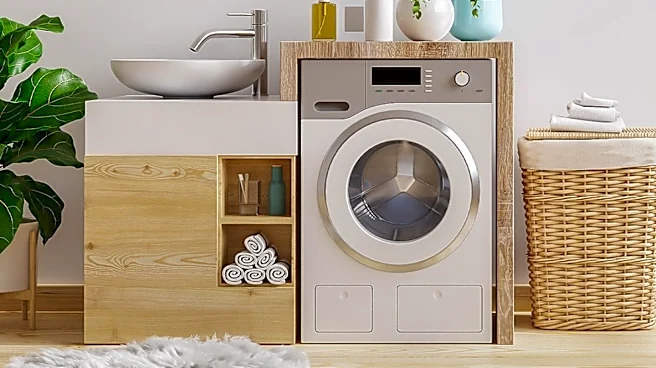
Home designers are increasingly transforming traditional laundry rooms into multipurpose zones, integrating additional functions beyond just washing and drying clothes. This trend includes combining laundry areas with mudrooms, storage closets, bathrooms,
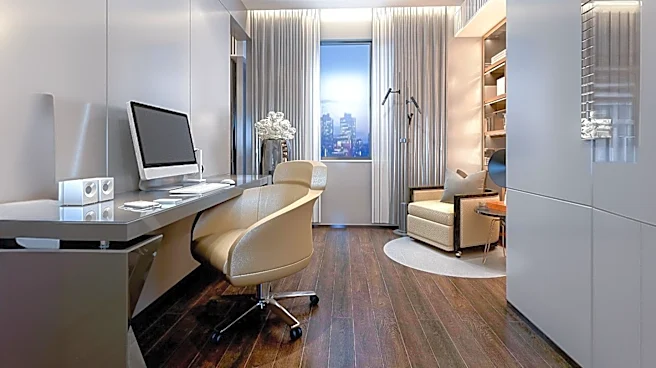
offices, and even pantries. Examples include laundry-mudrooms with built-in hampers and pet bowls, laundry-floral arranging stations with durable sinks, and laundry-offices featuring built-in desks. This innovative approach aims to maximize the utility of often underutilized spaces, making homes more organized and adaptable to various lifestyle needs.
Why It's Important?
The evolution of laundry rooms into multipurpose spaces reflects a significant shift in home design, driven by the need for greater efficiency and flexibility in modern living. As living spaces become more compact or homeowners seek to optimize every square foot, integrating multiple functions into one area provides practical solutions for storage, work, and daily chores. This trend can enhance home organization, reduce clutter, and improve overall functionality, benefiting homeowners by offering versatile zones that adapt to changing needs. It also highlights a broader consumer demand for intelligent design that supports diverse activities within the home.
What's Next?
This trend of integrating multipurpose functions into laundry rooms is expected to continue, with designers exploring even more innovative combinations. Homeowners can anticipate seeing more customizable options for these hybrid spaces, allowing for personalized solutions that cater to specific lifestyle requirements. The focus will likely remain on maximizing space utility, incorporating smart storage solutions, and utilizing durable, easy-to-clean materials. This ongoing evolution will likely influence architectural plans and interior design choices for new constructions and renovations.
Beyond the Headlines
The transformation of laundry rooms into versatile, multipurpose spaces speaks to a deeper cultural shift towards optimizing domestic environments for efficiency and well-being. It challenges traditional notions of single-function rooms, promoting a more fluid and adaptable approach to home design. This trend also touches upon sustainability, as maximizing existing space can reduce the need for larger homes, potentially lowering construction costs and environmental impact. Ethically, it encourages thoughtful consumption and design, where every part of the home serves a practical purpose, contributing to a more organized and less wasteful lifestyle.