






What's Happening?
A new study commissioned by the Grain Foods Foundation (GFF) and conducted by Ipsos reveals a significant shift in U.S. consumer bread purchasing habits. The research, titled 'Consumer Perspectives on Bread,' indicates that while traditional white and wheat
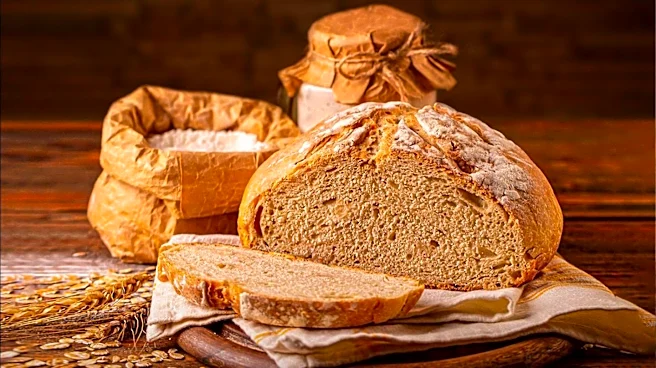
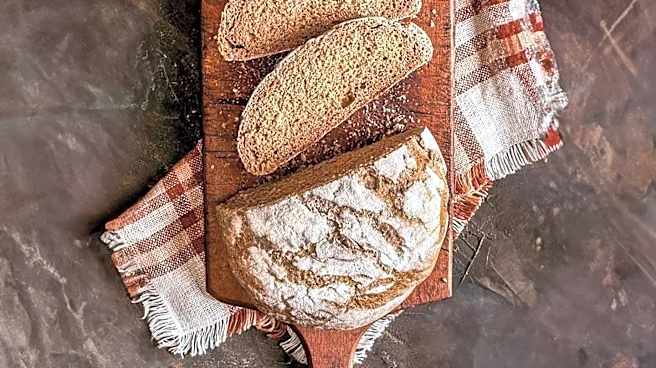
sliced sandwich bread remains a staple, consumers are increasingly diversifying their choices. There is a growing preference for artisan and sourdough varieties, alongside a heightened focus on ingredients and nutritional value. The study, which surveyed 1,043 U.S. adults, found that 53% of primary bread purchasers bought traditional sandwich bread in the past three months, but a substantial number also purchased alternative formats like tortillas/wraps (71%) and rolls (57%). Notably, high-protein/keto bread saw the sharpest net shift in consumption, with 46% of respondents eating more of it over the past year. This trend suggests that consumers are actively seeking out breads perceived as healthier or more specialized, moving away from solely traditional options.
Why It's Important?
This shift in consumer preferences has significant implications for the U.S. baking industry and food retailers. Manufacturers and brands that traditionally focused on conventional sliced breads may need to innovate and expand their product lines to include more artisan, sourdough, and 'better-for-you' options to remain competitive. The emphasis on ingredients and nutrition also means that transparency in labeling and marketing health benefits will become increasingly crucial. Retailers will need to adjust their inventory to meet the rising demand for these specialized bread types, potentially reallocating shelf space. This trend reflects a broader consumer movement towards healthier eating and diverse culinary experiences, impacting supply chains, product development, and marketing strategies across the food sector. Companies that fail to adapt to these evolving tastes risk losing market share to more agile competitors.
What's Next?
In response to these changing consumer demands, the U.S. bread industry is likely to see an acceleration in product innovation. Expect to see more new product launches featuring high-protein, keto-friendly, sprouted grain, and ancient grain breads, as well as a wider variety of sourdough and artisan loaves. Bakers may also focus on developing products with 'clean labels' and fewer ingredients to appeal to health-conscious consumers. Marketing efforts will likely highlight nutritional benefits, gut health, and the artisanal quality of products. Retailers will continue to expand their bakery sections to accommodate these diverse offerings, potentially featuring more in-store bakeries or partnerships with local artisan bread makers. The industry will also need to address consumer concerns about carbs and weight gain, perhaps by offering smaller portion sizes or emphasizing the nutritional value of whole grains.
Beyond the Headlines
The evolving bread market reflects deeper societal trends beyond mere dietary preferences. It signals a growing consumer sophistication and a desire for authenticity and quality in everyday food items. The rise of artisan and sourdough breads, for instance, can be seen as a rejection of mass-produced uniformity in favor of traditional craftsmanship and natural fermentation processes. This trend also highlights the influence of health and wellness movements, where consumers are increasingly scrutinizing food labels and seeking functional benefits from their diet. Furthermore, the diversification of bread choices may indicate a broader cultural shift towards more adventurous eating habits and a willingness to explore global culinary traditions, as evidenced by the popularity of tortillas/wraps. This could lead to a more dynamic and diverse food landscape, challenging established norms and fostering greater innovation in the food industry.