






What's Happening?
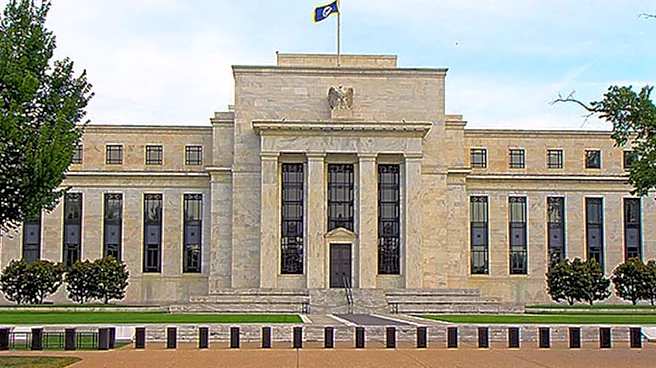
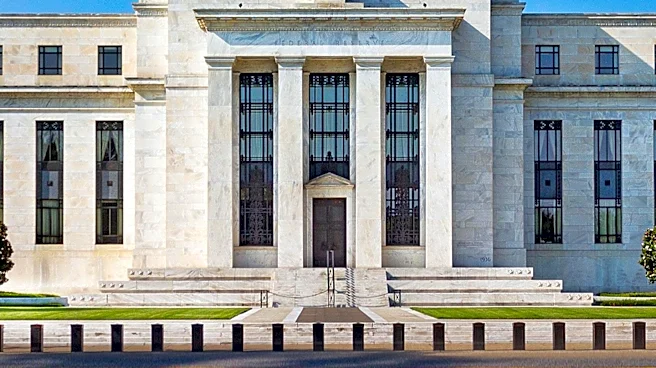
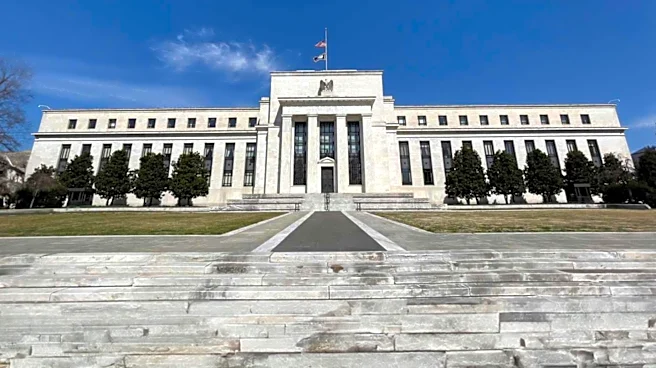
The Federal Reserve's rate-setting committee recently held a meeting where they decided to keep the key interest rate unchanged. However, the minutes from this meeting reveal a significant division among officials regarding the future path of U.S. inflation.
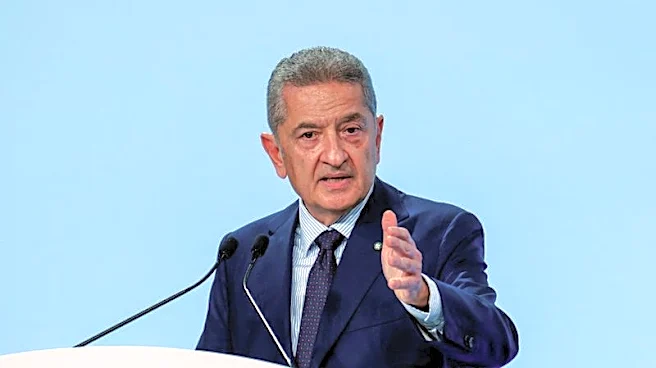
The committee, under the new chair Kevin Warsh, is split on whether inflation will remain elevated or decrease as the Iran war subsides. Some members believe the rate should remain at or slightly below the current level of 3.6% by the end of the year, while others anticipate a potential increase. The minutes also highlight concerns about the impact of artificial intelligence investments on inflation, particularly in raising prices for semiconductors and technology goods. The meeting concluded with a unanimous decision to maintain the current rate, despite some officials advocating for a rate increase.
Why It's Important?
The division within the Federal Reserve highlights the uncertainty surrounding the U.S. economic outlook, particularly regarding inflation. The potential for inflation to remain high could influence future monetary policy decisions, impacting borrowing costs for businesses and consumers. The ongoing investment in artificial intelligence infrastructure is seen as a potential driver of inflation, which could affect technology sectors and related industries. The Fed's approach to managing inflation will be crucial in maintaining economic stability and achieving its 2% inflation target. The outcome of these discussions could have significant implications for financial markets, influencing investor expectations and economic growth.
What's Next?
The Federal Reserve will continue to monitor economic indicators and inflation trends closely. Future policy actions will depend on incoming data, particularly regarding inflation and economic growth. The Fed's decision-making process will likely involve balancing the need to control inflation with supporting economic recovery. Stakeholders, including businesses and investors, will be watching for any signals from the Fed regarding potential rate hikes or cuts. The ongoing geopolitical situation, such as the Iran conflict, and its impact on energy prices will also be factors in the Fed's considerations.